
Why Tungsten Carbide Bushings Are Essential in Dredging and Slurry Equipment
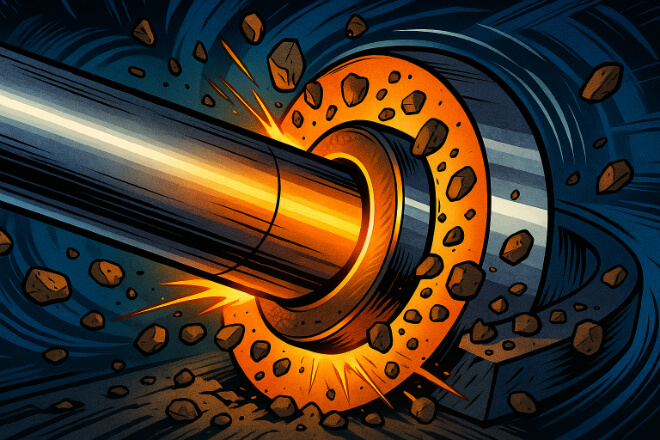
Dredging pumps, slurry pumps, and underwater cutters often work around the clock.
Abrasive solids suspended in water create continuous wear on shafts and bearing surfaces.
Tungsten carbide bushings are used because they deliver:
Extreme hardness
High abrasion resistance
Ability to handle sand, silt, and gravel
Excellent toughness
Stable performance under vibration
Long wear life even in dirty water
Without tungsten carbide protection, shafts can wear out rapidly, leading to pump failure and costly downtime.
Harsh Operating Conditions in Dredging and Slurry Systems
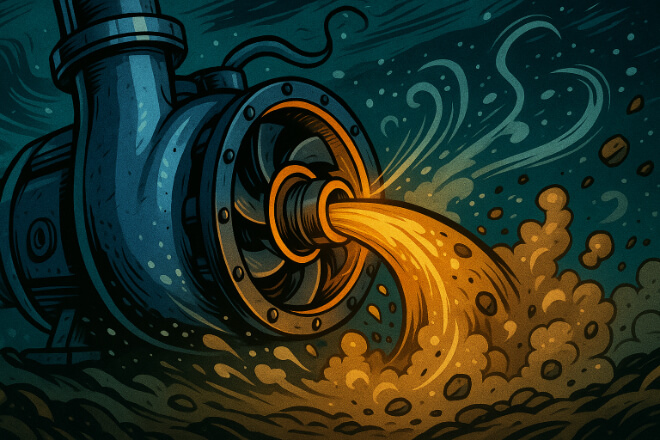
Dredging and slurry handling environments are among the most aggressive found in industry.
Typical operating challenges include:
Large quantities of sand and minerals
High flow speed of abrasive particles
Continuous mechanical impact
Corrosive seawater or wastewater
Shock loads in cutter heads or suction pumps
High pressure and vibration
Because of these combined forces, standard metallic bushings like bronze or cast iron wear out too quickly. Tungsten carbide offers far better protection.
Best Tungsten Carbide Grades for Dredging and Slurry Applications
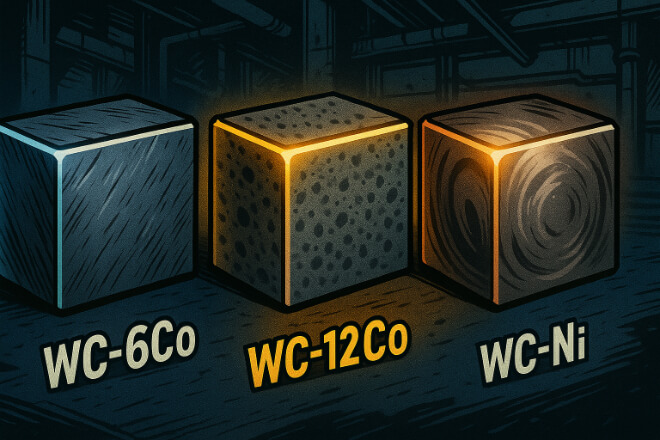
Selecting the right tungsten carbide grade is critical, as different binder types and grain sizes affect performance in slurry environments.
1). WC-Co (Cobalt Binder) Grades
Very high hardness
Excellent wear life
Good performance against sand and silt
Ideal for pumps working with highly abrasive slurry
2). WC-Ni (Nickel Binder) Grades
Superior corrosion resistance
Best for seawater dredging
Lower risk of binder corrosion compared to cobalt
Suitable for aggressive chemical environments
3). Submicron Tungsten Carbide Grades
Ultra-high hardness
Very low friction
Best for high-speed shafts or precision pumps
4). Grade Comparison Table
Design Requirements for Slurry and Dredging Bushings
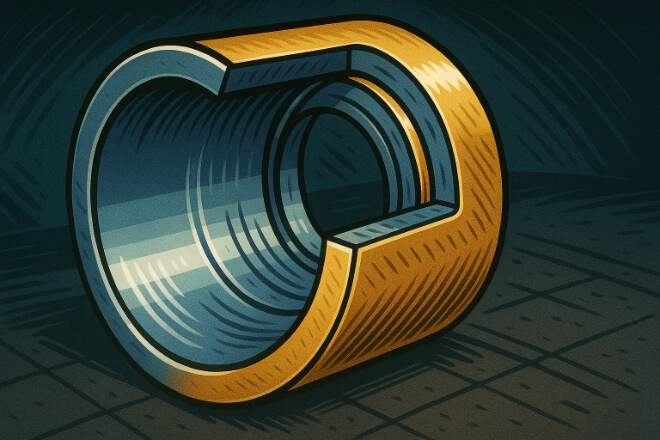
Design has a major influence on service life. Tungsten carbide bushings used in slurry systems must be engineered to handle both abrasion and flow turbulence.
Key design factors
Proper clearance fit to control heat and vibration
High roundness accuracy for stable shaft rotation
Smooth and polished bore to reduce friction
Strong anti-corrosion surface for seawater applications
Oil or flow channels to assist lubrication
Heavy-duty wall thickness for vibration and shock load
A well-designed bushing can easily outperform metallic sleeves by many times.
Common Failure Modes in Slurry Systems
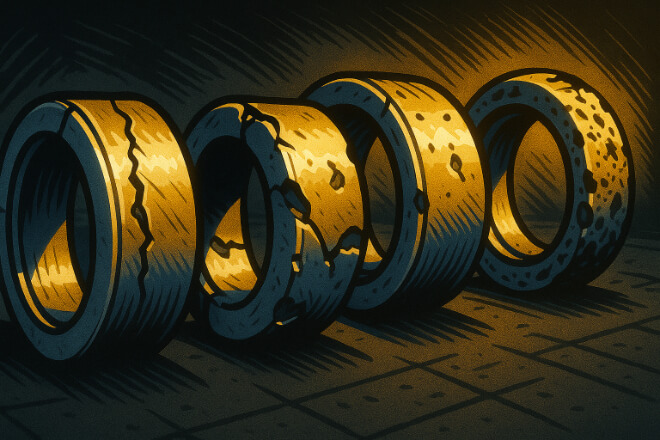
Even tungsten carbide bushings can fail if conditions are extreme or the wrong grade is used.
1). Typical failure modes include:
Abrasive wear from sand and gravel
Chipping from impact or misalignment
Corrosion from seawater or chemicals
Thermal cracking from friction heat
Binder leaching caused by aggressive fluids
2). Failure Mode Comparison Table
Maintenance and Inspection Tips
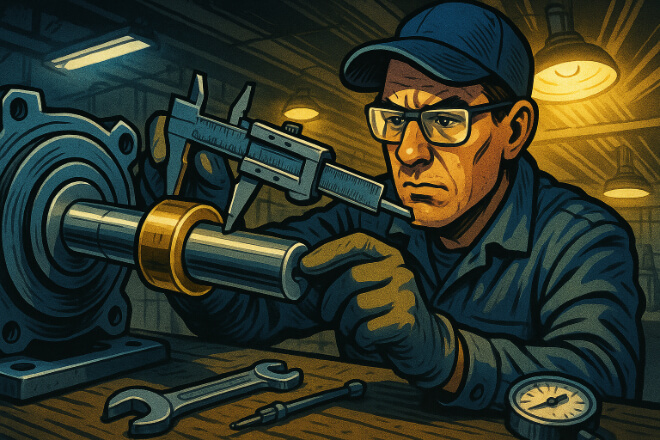
Proper maintenance helps extend the service life of tungsten carbide bushings.
Recommended actions
Inspect for early signs of wear
Monitor vibration levels
Check alignment regularly
Ensure clean lubrication or flushing flow
Replace before severe wear occurs
Use corrosion inhibitors if needed
A good maintenance plan prevents sudden breakdowns in dredging operations.
How to Select the Right Supplier

A trusted supplier ensures consistent quality, correct carbide grade, and long-lasting performance.
Supplier checklist
Deep experience in dredging and slurry markets
Ability to supply cobalt and nickel binder grades
HIP sintering for high density
Strong inspection capability: hardness, density, microstructure
OEM customization ability
Fast delivery and stable supply chain
Reliable suppliers reduce the risk of early failure and unexpected downtime.
 English
  Español
  简体中文
简体中文  Français
  日本語
日本語  한국어
한국어  العربية
  Tiếng Việt