
لماذا تحتاج مضخات مياه البحر إلى جلبات عالية الأداء؟
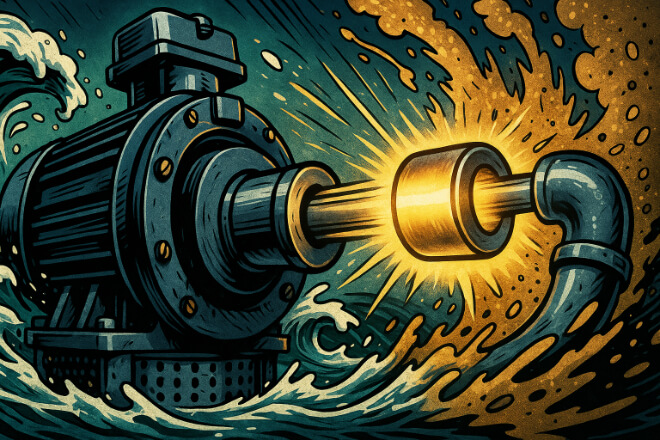
تعمل أنظمة تحلية المياه وخطوط سحب مياه البحر تحت أحمال عالية وتدفقات عالية ولساعات تشغيل طويلة. يجب أن تتحمل جلبات المضخات ما يلي:
التعرض المستمر للمياه المالحة
تآكل الرمل والطمي
سرعة دوران عالية
التآكل الناتج عن أيونات الكلوريد
الاهتزاز وعدم المحاذاة
دورات التشغيل والإيقاف
غالباً ما تتلف المواد التقليدية مثل البرونز أو الفولاذ المقاوم للصدأ مبكراً بسبب تأثير مياه البحر العدواني. وهي تحتوي على:
الكلوريدات، التي تهاجم المعادن
الرمل والحطام، مما يسبب التآكل الكاشط
الكائنات الدقيقة، مما يؤدي إلى التآكل البيولوجي
ارتفاع نسبة الأكسجين المذاب، مما يسرع من عملية التنقر.
تُساهم جلبات كربيد التنجستن في حل هذه التحديات لأنها تجمع بين مقاومة التآكل, مقاومة للتآكل، وعالي صلابة.
الفوائد الرئيسية لأداء كربيد التنجستن في أنظمة مياه البحر
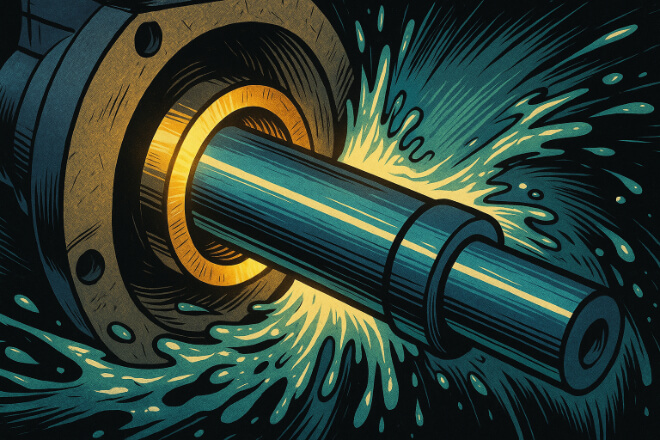
توفر جلبات كربيد التنجستن مزايا فريدة في محطات تحلية المياه ومضخات سحب مياه البحر.
الفوائد الرئيسية
أقصى مقاومة التآكل ضد الرمل والطمي والمواد الصلبة
قوي مقاومة التآكل, وخاصة مع درجات رابط النيكل
ثبات الأبعاد حتى في ظل تغيرات درجة الحرارة
عمر تشغيلي طويل، مما يقلل من وقت توقف المضخة
انخفاض تكلفة الصيانة للمشغلين
قوة ضغط عالية، تمنع التشوه
تُعد هذه الفوائد ضرورية لأنظمة مياه البحر حيث تعمل المضخات على مدار الساعة طوال أيام الأسبوع.
كيف يتعامل كربيد التنجستن مع التآكل الناتج عن المياه المالحة
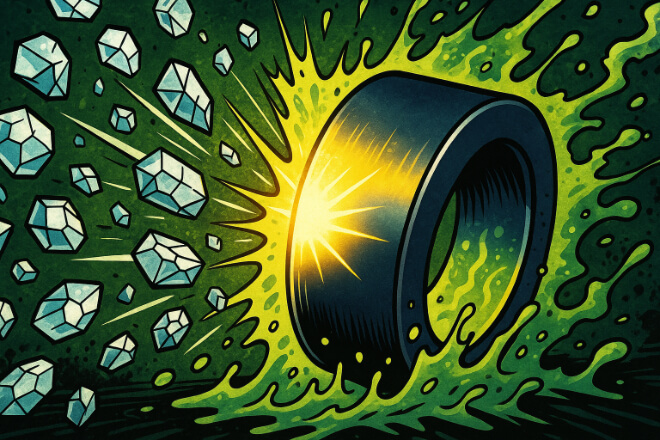
يحدث تآكل مياه البحر بشكل رئيسي بسبب أيونات الكلوريد، التي تهاجم المعادن وتضعفها بمرور الوقت.
يوفر كربيد التنجستن حماية قوية للأسباب التالية:
حبيبات كربيد التنجستن خاملة كيميائياً
يشكل رابط النيكل طبقة خاملة أكثر استقرارًا
تمنع البنية المجهرية الكثيفة اختراق الماء
قليل المسامية يمنع التنقر
توفر الصلابة العالية حماية ضد التآكل الناتج عن الاحتكاك.
1) جدول سلوك التآكل
أين تُستخدم جلبات كربيد التنجستن في محطات تحلية المياه
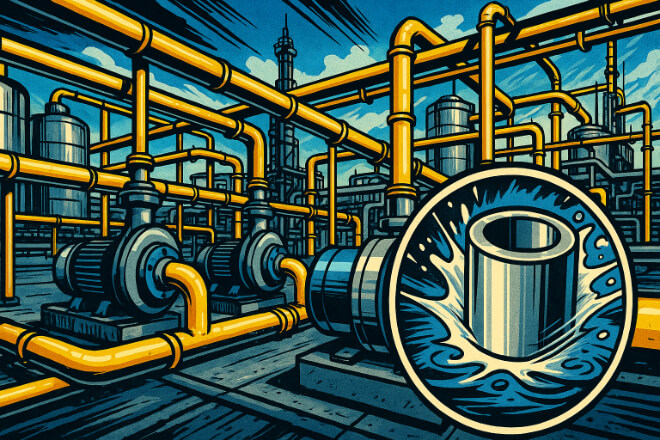
تستخدم أنظمة تحلية المياه أنواعًا متعددة من المضخات. يتم تركيب جلبات كربيد التنجستن في:
1) أنواع مضخات تحلية المياه
مضخات التناضح العكسي عالية الضغط
مضخات معززة
مضخات سحب مياه البحر ذات الحوض الرأسي
مضخات إعادة تدوير المحلول الملحي
مضخات استعادة الطاقة
مضخات رفع المدخل
مضخات مرحلة المعالجة المسبقة
2) الأدوار الوظيفية للبطانات
دعامة العمود
تقليل الاهتزاز
منع انحراف العمود
الحفاظ على المحاذاة
تقليل تآكل الأجزاء الدوارة
في جميع هذه الأدوار، يوفر كربيد التنجستن استقرارًا طويل الأمد حتى مع التعرض المستمر لمياه البحر.
أنماط الفشل الشائعة في ظروف مياه البحر
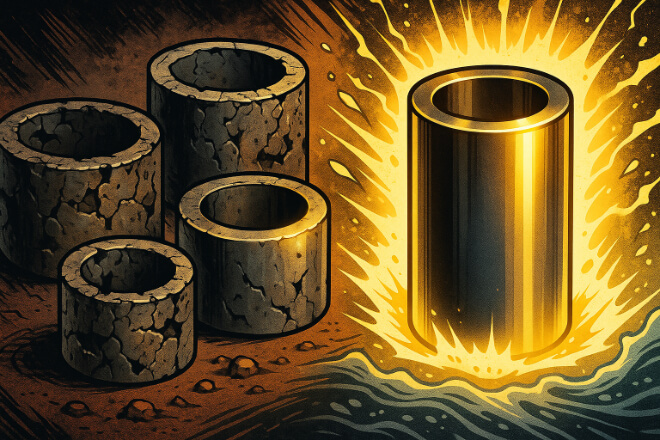
حتى مع استخدام مواد قوية، لا يزال بإمكان مياه البحر أن تتسبب في حدوث أعطال.
1) أنواع الأعطال الشائعة
ترشيح المادة الرابطة، خاصة في درجات الكوبالت
التآكل الناتج عن الاحتكاك بالرمل والأصداف
تآكل التنقر عند المسامية مرتفع
تآكل ناتج عن عدم محاذاة المضخة بسبب الاهتزاز
تشقق الصدمة الحرارية أثناء التغيرات السريعة في درجة الحرارة
2) طرق بسيطة لمنع الفشل
اختر WC-Ni لمياه البحر
تأكد من الترشيح المناسب لتقليل الرمل
الحفاظ على محاذاة العمود
استخدم عالي-كثافة, كربيد مُلبّد بتقنية الضغط المتساوي الساخن
افحص البطانات أثناء عمليات إصلاح المضخات.
يمكن للاختيار والصيانة المناسبين أن يطيلا عمر الخدمة لسنوات.
كيفية اختيار المورد المناسب لتطبيقات مياه البحر
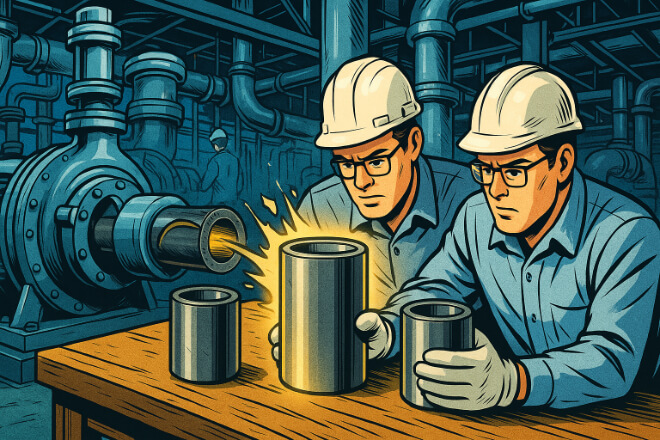
يُعد اختيار المورد المناسب أمراً بالغ الأهمية لضمان موثوقية مضخة مياه البحر.
قدرات المورد المهمة
خبرة في صناعة تحلية المياه
القدرة على توريد درجات WC-Ni
التلبيد بالضغط المتساوي الساخن للحصول على أعلى كثافة
اختبار مراقبة الجودة الكامل (صلابة, كثافة, (البنية المجهرية)
قدرة اختبار التآكل
أوقات تسليم سريعة لقطع الغيار
تخصيص المعدات الأصلية
يضمن المورد القوي أداءً مستقراً ويقلل من وقت تعطل المعدات.
 English
  Español
  简体中文
简体中文  Français
  日本語
日本語  한국어
한국어  العربية
  Tiếng Việt