
What Is Dimensional Stability?
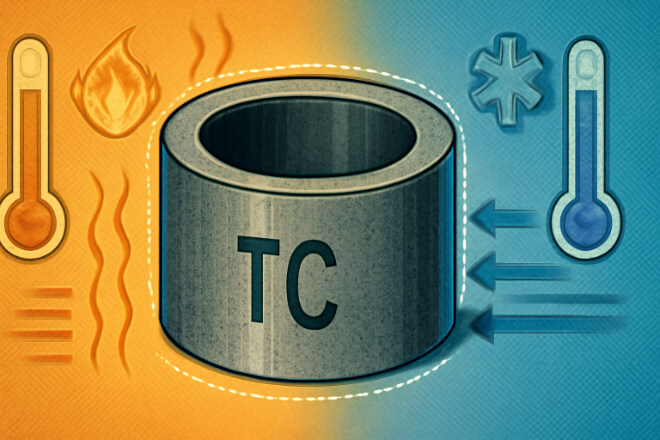
Dimensional stability refers to a material’s ability to retain its shape and size when exposed to temperature changes.
In mechanical systems, this is a critical factor because any changes in the dimensions of a bushing or other component can lead to issues like misalignment, excessive wear, or even failure.
Key Factors Influencing Dimensional Stability:
Material Composition: Tungsten carbide’s low coefficient of thermal expansion (CTE) makes it less susceptible to thermal expansion compared to metals like steel or aluminum.
Operating Temperature Range: Bushings used in high-temperature environments must maintain their integrity despite significant temperature fluctuations.
Thermal Shock Resistance: Tungsten carbide’s resistance to rapid temperature changes (thermal shock) is also a key consideration for dimensional stability.
How High Temperatures Affect Tungsten Carbide Bushings

While tungsten carbide is well-known for its high-temperature stability, understanding how heat affects its dimensions is crucial for ensuring the performance of bushings.
1). Impact of High Temperatures on Tungsten Carbide:
Expansion:
Like all materials, tungsten carbide will expand when exposed to high temperatures.
However, due to its low CTE, tungsten carbide expands at a much slower rate than many other materials, reducing the risk of misalignment or dimensional changes.
سلامة المواد:
Tungsten carbide retains its hardness and wear resistance even at high temperatures, making it ideal for applications such as pumps and machinery exposed to heat.
Size and Shape:
While tungsten carbide expands at a low rate, it is important to account for any changes in size to avoid issues like seizing or misalignment when the bushing is fitted into a housing.
2). Coefficient of Thermal Expansion (CTE) of Tungsten Carbide:
Tungsten carbide’s CTE is typically between 4 to 5 µm/m·°C, which is significantly lower than materials like steel (which has a CTE of 11–15 µm/m·°C).
The low CTE of tungsten carbide allows it to maintain its dimensional integrity under high-temperature conditions, even in extreme environments.
Factors Affecting Dimensional Stability at High Temperature
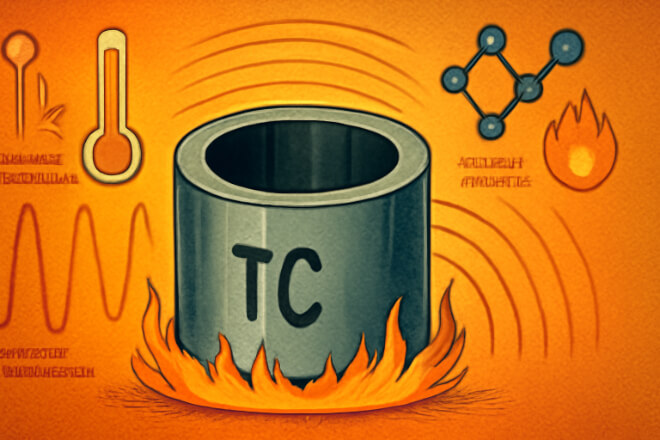
Several factors can affect the dimensional stability of tungsten carbide bushings at high temperatures.
These factors need to be considered when designing systems to ensure optimal performance.
Key Factors:
Temperature Fluctuations:
Rapid changes in temperature can cause thermal shock. Tungsten carbide’s ability to resist thermal shock is one of the reasons it is used in high-temperature applications.
Thermal Gradient:
A thermal gradient occurs when different parts of a material experience different temperatures.
This can lead to internal stresses and affect the bushing’s dimensional stability.
تكوين المواد:
Tungsten carbide bushings can be manufactured with different binder materials (e.g., cobalt or nickel).
These binders can influence how the bushing reacts to high temperatures, affecting its overall stability.
Measuring Dimensional Stability in High-Temperature Applications
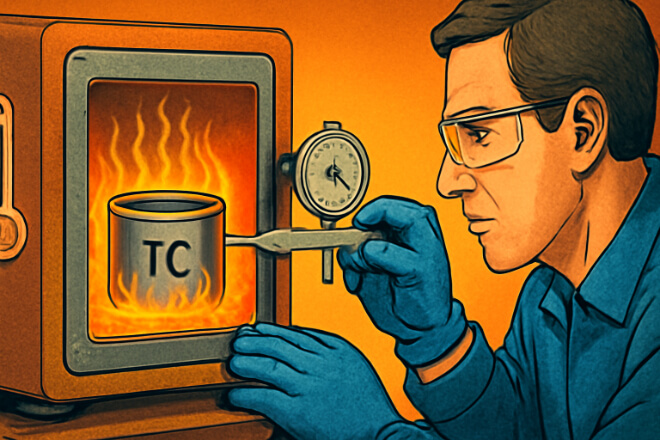
To ensure that بطانات كربيد التنغستن maintain their dimensional stability in high-temperature environments, several tests and measurements can be conducted during the manufacturing and quality control process.
1). Testing Methods:
Thermal Expansion Testing: This involves measuring the change in size of a tungsten carbide bushing when exposed to various temperature conditions.
Thermal Shock Testing: This test evaluates the material’s resistance to rapid temperature changes, ensuring that the bushing does not crack or deform under sudden temperature fluctuations.
High-Temperature Wear Testing: This test measures the مقاومة التآكل of tungsten carbide bushings at elevated temperatures, providing insights into their long-term performance.
2). Control Measures:
Pre-heating: Gradually heating the bushing to its operating temperature can help reduce the risk of thermal shock.
Housing Design: Designing housings with appropriate clearances and allowances for thermal expansion ensures that tungsten carbide bushings remain stable and perform well over time.
Applications of Tungsten Carbide Bushings in High-Temperature Environments
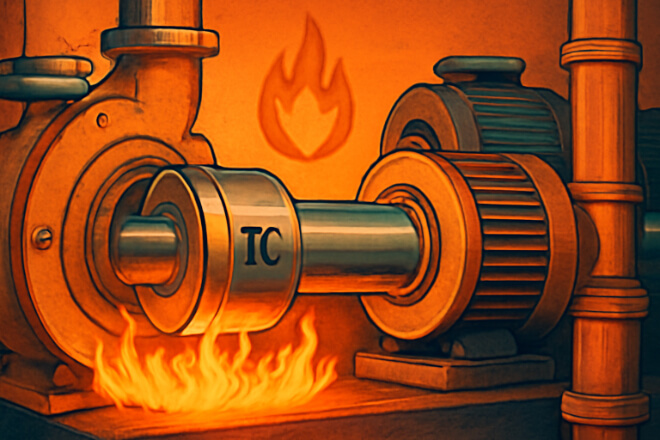
Tungsten carbide bushings are widely used in industries where high temperatures are common, such as:
Key Applications:
Pump Systems:
Tungsten carbide bushings are ideal for high-temperature pumps used in the النفط والغاز, chemical, and التعدين industries.
Their dimensional stability ensures long-lasting performance in pumps that handle aggressive fluids or operate in high-temperature environments.
Engines and Turbines:
In engines and turbines where high heat is generated, tungsten carbide bushings maintain their integrity, ensuring smooth operation and minimal wear.
Metal Processing:
In metal processing applications, tungsten carbide bushings can withstand the high temperatures and stresses associated with equipment like furnaces and presses.
Best Practices for Maintaining Dimensional Stability

Maintaining the dimensional stability of tungsten carbide bushings in high-temperature applications requires careful design, material selection, and quality control.
Best Practices:
Design for Thermal Expansion: Ensure that the housing and bushing are designed with adequate clearance to account for any dimensional changes due to temperature fluctuations.
Use of Thermal Insulation: For extreme high-temperature environments, insulating the bushing and housing can help maintain stable temperatures, reducing the risk of thermal expansion mismatch.
Quality Control and Testing: Conduct regular thermal expansion and thermal shock tests during the manufacturing process to ensure the bushing meets the required dimensional stability standards.
 English
  Español
  简体中文
简体中文  Français
  日本語
日本語  한국어
한국어  العربية
  Tiếng Việt