
What is Cavitation and Erosion Damage?
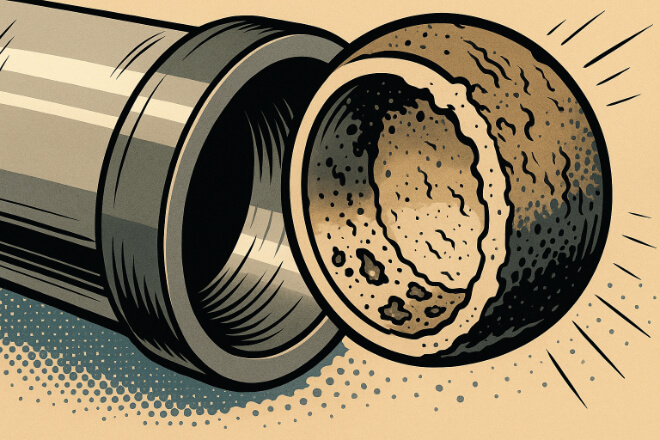
Before diving into prevention methods, it’s important to understand the specific nature of cavitation and erosion damage.
1). Cavitation
Cavitation is the formation and collapse of vapor bubbles in a fluid.
When these bubbles collapse near the tungsten carbide bushing surface, they generate shockwaves that can cause pitting and surface erosion.
Over time, cavitation can lead to material loss, reduced performance, and eventual failure of the bushing.
2). Erosion
Erosion occurs when abrasive particles or fluids continually strike the bushing surface, gradually wearing it down.
In high-flow environments, such as pumps or motors, this wear can significantly impact the lifespan of the bushing.
Causes of Cavitation and Erosion in Tungsten Carbide Bushings
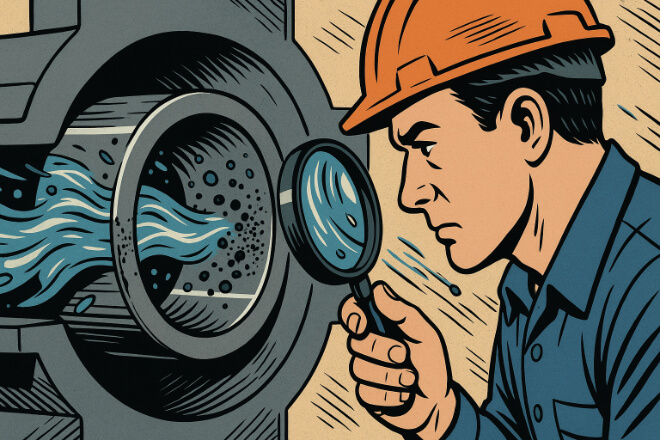
Understanding the causes of cavitation and erosion is crucial to preventing them.
1). Causes of Cavitation:
High Fluid Velocity: When fluid flows too quickly around the bushing, it can create localized pressure drops, leading to bubble formation and cavitation.
Sudden Pressure Changes: Abrupt changes in pressure, such as in pumps or valves, can trigger cavitation in areas where pressure drops below the vapor pressure of the fluid.
Inadequate Ventilation: Poorly ventilated systems can increase the likelihood of pressure fluctuations that lead to cavitation.
2). Causes of Erosion:
High-Speed Fluids: Abrasive particles in high-velocity fluids can constantly wear down the surface of the tungsten carbide bushing.
Particulate Contamination: Dust, sand, or other abrasive materials in the fluid flow can cause gradual erosion of the bushing surface.
Improper Fluid Flow Direction: If the fluid flow is not properly directed, it can concentrate abrasive forces on specific areas of the bushing.
How Cavitation and Erosion Affect Tungsten Carbide Bushings
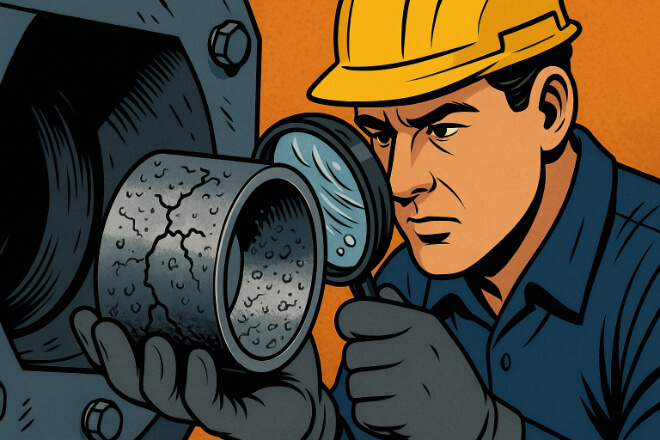
Both cavitation and erosion can lead to significant damage to tungsten carbide bushings, affecting performance and causing early failure.
1). Effects of Cavitation:
Pitting: The collapse of vapor bubbles creates small pits on the bushing surface, weakening it over time.
Surface Cracking: The shockwaves generated by cavitation can lead to microcracks on the bushing surface, eventually causing larger cracks and breaking.
Decreased Efficiency: Cavitation damage leads to rougher bushing surfaces, increasing friction and reducing overall system efficiency.
2). Effects of Erosion:
Material Loss: Continuous wear from abrasive particles leads to the gradual loss of material from the bushing, reducing its thickness and strength.
Misalignment: Erosion can cause uneven wear, leading to misalignment between the bushing and the mating parts, which can increase friction and wear.
Reduced Lifespan: Over time, erosion reduces the bushing’s ability to withstand high pressures and speeds, leading to premature failure.
Preventing Cavitation and Erosion Damage
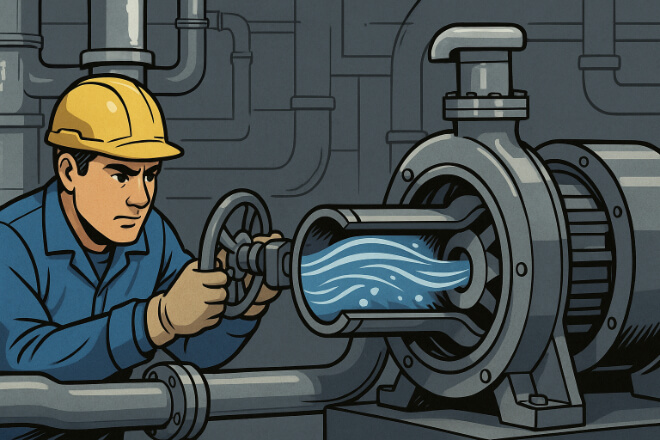
There are several steps you can take to minimize cavitation and erosion damage to tungsten carbide bushings.
Implementing proper design practices and maintenance techniques will help extend the lifespan of the bushings.
1). Best Practices for Preventing Cavitation:
Control Fluid Velocity: Ensure that fluid velocity is optimized to reduce pressure drops and prevent cavitation. In high-speed systems, reduce flow velocity to avoid pressure fluctuations.
Avoid Sudden Pressure Changes: Use gradual pressure changes rather than sudden fluctuations to prevent cavitation.
Use Anti-Cavitation Designs: Employ anti-cavitation valves and flow restrictors that can help reduce the likelihood of cavitation in pumps and pipes.
Ensure Proper Ventilation: Keep systems properly ventilated to maintain consistent pressure levels, especially in areas prone to cavitation.
2). Best Practices for Preventing Erosion:
Use Smooth Flow Paths: Design the system to ensure smooth fluid flow around the bushing, preventing abrasive particles from impacting the surface directly.
Filter Contaminants: Use filtration systems to remove abrasive particles from the fluid to prevent them from coming into contact with the bushing.
Choose the Right Materials: Select tungsten carbide grades that are resistant to erosion. WC-Co (tungsten carbide with cobalt binder) and WC-Ni (tungsten carbide with nickel binder) offer different resistance properties for various applications.
Maintain Consistent Lubrication: Regularly apply appropriate lubrication to reduce friction and wear. This can help mitigate the effects of erosion, especially when abrasive particles are present in the fluid.
Regular Maintenance and Monitoring
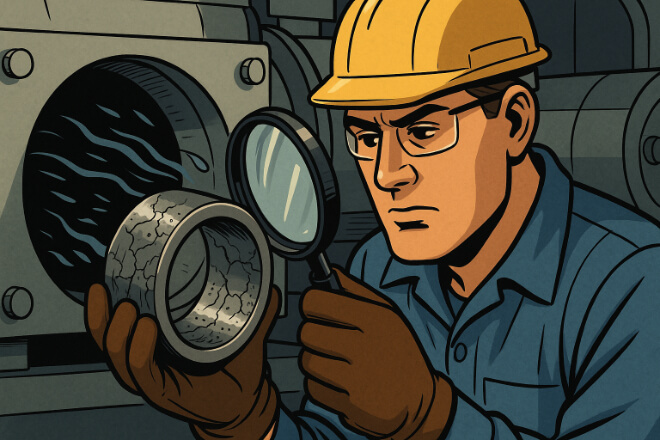
Regular maintenance and monitoring of your tungsten carbide bushings are essential for preventing cavitation and erosion damage.
By keeping an eye on the condition of the bushings and the operating environment, you can identify potential issues before they lead to failure.
Maintenance Tips:
Inspect for Surface Damage: Regularly inspect the bushing for signs of pitting, cracking, or wear. Early detection of damage allows for timely replacements.
Monitor Fluid Quality: Check the fluid for contamination regularly. Use filtration systems and purifiers to maintain the cleanliness of the fluid.
Perform Pressure Tests: Conduct regular pressure tests to ensure that the system is not experiencing excessive fluctuations that could cause cavitation.
 English
  Español
  简体中文
简体中文  Français
  日本語
日本語  한국어
한국어  العربية
  Tiếng Việt