
Why Tungsten Carbide Tips Are Ideal for Cutting Hard Materials
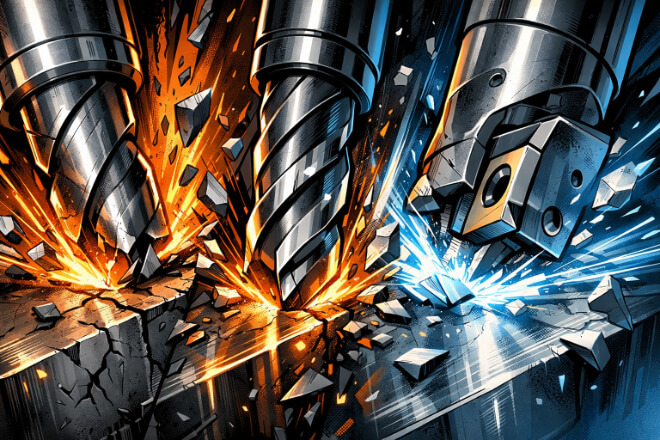
Tungsten carbide tips are commonly used for cutting hard materials due to their unique properties that make them far more effective than other materials. Here’s why they are the preferred choice:
1). Exceptional صلابة
Tungsten carbide is one of the hardest materials available, second only to diamond.
This hardness allows tungsten carbide tips to maintain their cutting edge even when working with hard materials like stainless steel, titanium, and hardened alloys.
The tool’s ability to resist deformation and maintain sharpness is essential for achieving high-quality cuts in tough materials.
2). مقاومة التآكل
When cutting hard materials, the cutting tool is exposed to significant wear. Tungsten carbide tips are highly resistant to wear, which prolongs tool life and reduces the frequency of tool replacements.
This feature is especially important in industries where downtime and tool replacement costs can significantly impact productivity.
3). Heat Resistance
Hard material cutting generates a significant amount of heat, which can lead to tool degradation.
Tungsten carbide has excellent thermal conductivity, allowing it to withstand high temperatures without losing its hardness or performance.
This heat resistance makes tungsten carbide tips ideal for high-speed cutting applications where heat generation is inevitable.
Key Applications of Tungsten Carbide Tips in Hard Material Cutting
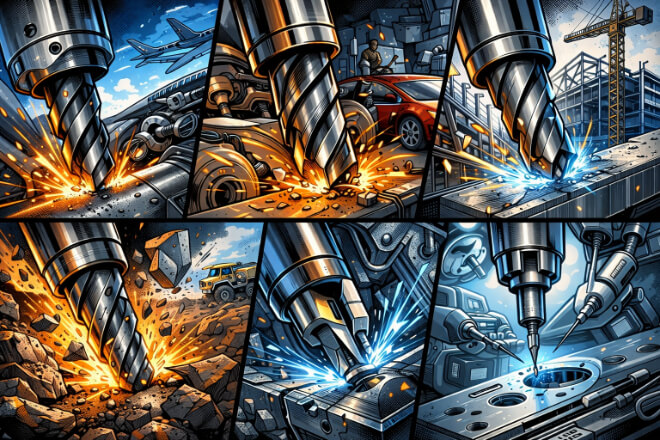
Tungsten carbide tips are used in a variety of applications where cutting hard materials is required.
Let’s explore some of the key industries that rely on carbide tips for precision and durability.
1). الفضاء الجوي صناعة
In the aerospace industry, components are often made from tough materials like titanium and high-strength alloys.
Tungsten carbide tips are essential for cutting and machining these materials to the precise specifications needed for aircraft and spacecraft components.
The precision, wear resistance, and heat tolerance of carbide tips make them the ideal choice for aerospace applications.
2). السيارات Manufacturing
The automotive industry requires tools that can cut through hard materials like hardened steel and alloys.
Tungsten carbide tips are used in machining automotive parts such as engine components, gears, and suspension parts.
Their durability ensures that these parts are cut with high precision, meeting the strict tolerances required in the automotive sector.
3). Construction and التعدين
In construction and mining, tools must endure high stress and impact while cutting through tough materials like rock and concrete.
Tungsten carbide tips are used in drill bits and other cutting tools to handle the abrasive nature of these materials.
ال مقاومة التآكل و صلابة of tungsten carbide ensure that tools last longer, even in the most challenging environments.
4). طبي Device Manufacturing
Medical device manufacturers often work with tough metals like stainless steel and titanium, which require precise cutting and shaping.
Tungsten carbide tips are used in the production of medical instruments, ensuring that the tools maintain their sharpness and precision for intricate cuts and smooth finishes.
Performance Factors to Consider When Cutting Hard Materials
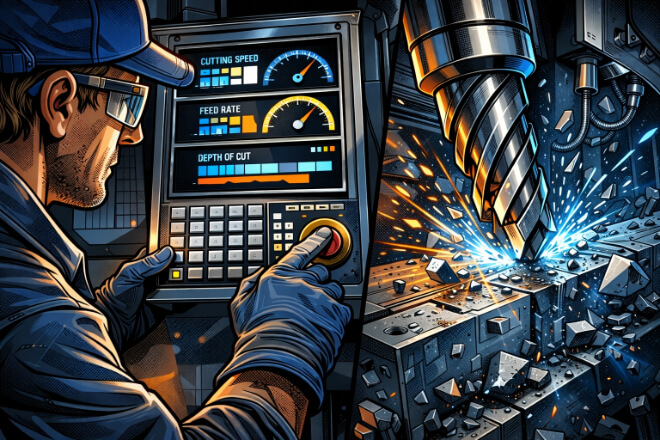
While tungsten carbide tips are ideal for cutting hard materials, several factors influence their performance. To maximize their efficiency, it’s important to consider the following:
1). Cutting Speed
The cutting speed, or the rate at which the material is fed into the tool, plays a critical role in cutting performance.
Higher cutting speeds can generate more heat, which can affect tool longevity if not managed properly.
Tungsten carbide tips perform well at higher cutting speeds due to their heat resistance, but it’s important to find the optimal speed for each specific material to minimize heat buildup and wear.
2). Feed Rate
Feed rate refers to the speed at which the workpiece moves relative to the tool.
In hard material cutting, the feed rate must be optimized to ensure that the tool does not experience excessive pressure.
A higher feed rate can improve material removal rates but may lead to tool wear if not managed correctly. Tungsten carbide tips allow for a higher feed rate without sacrificing cutting precision.
3). Depth of Cut
The depth of cut determines how much material is removed during each pass of the tool.
For hard materials, a shallower cut can help reduce stress on the tool, preventing premature wear. However, deeper cuts may be necessary for faster material removal.
Adjusting the depth of cut according to the material being machined helps optimize tool performance and longevity.
Maintaining Tungsten Carbide Tips for Long-Term Performance
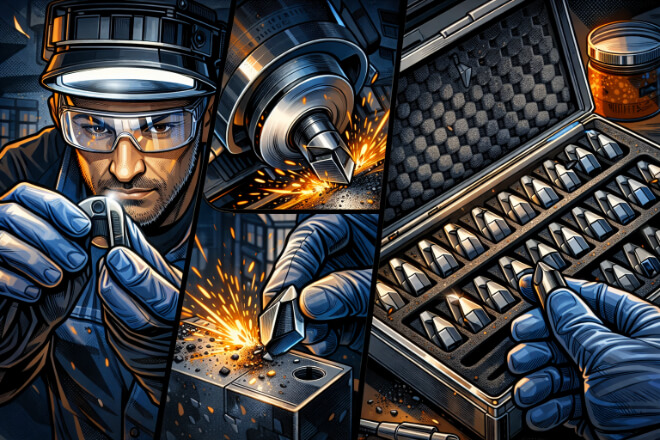
To ensure that tungsten carbide tips continue to deliver high performance when cutting hard materials, regular maintenance is necessary. Here are a few maintenance practices to follow:
1). Routine Inspections
Regularly inspecting carbide tips for signs of wear, chipping, or cracks helps detect issues before they cause tool failure.
If any damage is detected, tools should be reconditioned or replaced to avoid compromising performance during cutting.
2). Reconditioning and Sharpening
Over time, tungsten carbide tips can lose their sharpness due to wear.
Reconditioning or resharpening the tips restores their cutting ability and ensures that they continue to perform at their best.
This process helps extend the life of the tips and reduces the need for frequent replacements.
3). Proper Storage
When not in use, tungsten carbide tips should be stored in a dry, clean environment to prevent rust and corrosion. Proper handling and storage of tools will prevent physical damage and extend their lifespan.
The Advantages of Using Tungsten Carbide Tips for Cutting Hard Materials
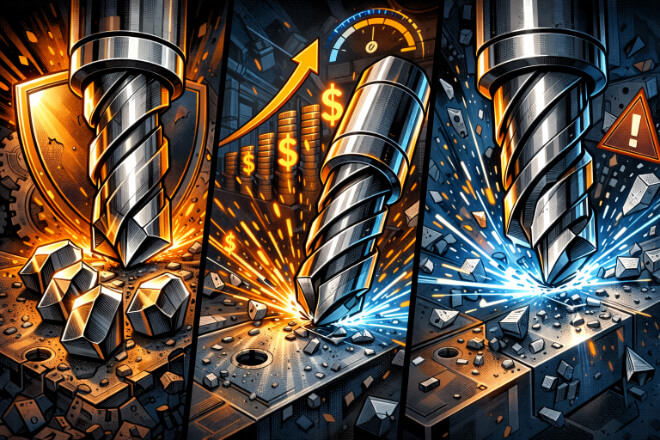
هناك عدة أسباب لذلك tungsten carbide tips are the preferred choice for cutting hard materials:
1). Extended Tool Life
Tungsten carbide tips offer extended tool life compared to tools made from other materials, such as high-speed steel.
This durability results in fewer tool changes, reduced downtime, and lower operational costs.
2). Increased Efficiency
Tungsten carbide tips allow for higher cutting speeds and feed rates without sacrificing precision.
This leads to higher material removal rates and improved productivity in machining operations.
3). Reduced Tool Failures
Because tungsten carbide tips are resistant to heat, wear, and deformation, they are less likely to fail during operation.
This reduces the risk of tool failure and ensures that production processes continue smoothly.
 English
  Español
  简体中文
简体中文  Français
  日本語
日本語  한국어
한국어  العربية
  Tiếng Việt