
The Impact of Vibration on Tungsten Carbide Bushings
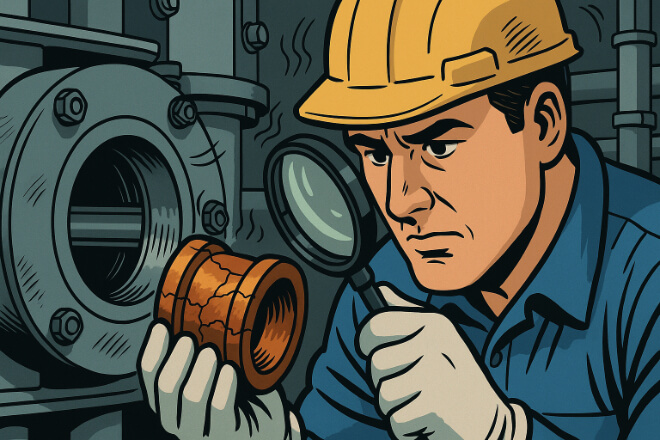
Tungsten carbide bushings are designed to withstand harsh operational conditions, but prolonged or excessive vibration can cause damage over time.
Vibration-induced wear can lead to several issues that affect the bushing’s performance, such as misalignment, uneven wear, and cracks.
How Vibration Affects Tungsten Carbide Bushings:
Fatigue Cracking: Continuous vibrations can create stress concentrations in the bushing material, eventually leading to cracks and failure.
Misalignment: Vibrations can cause components to shift out of alignment, which accelerates wear on the bushing surface.
Material Degradation: Repeated vibrational stress can lead to microscopic damage to the bushing’s surface, causing material degradation and reduced performance.
Vibration Diagnostics: What You Need to Know
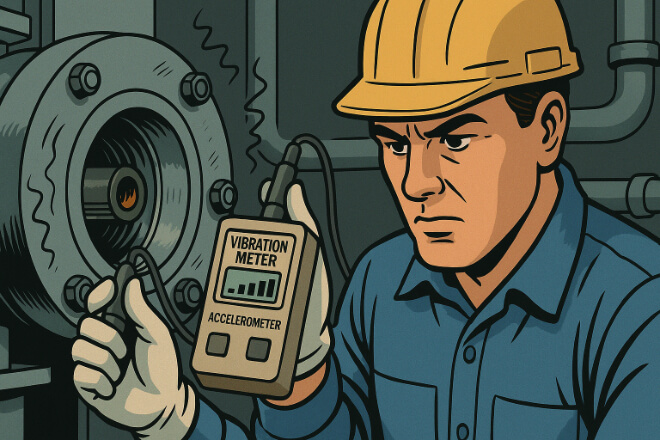
Vibration diagnostics involves monitoring and analyzing the vibrations in machinery to identify potential issues before they cause significant damage.
By using vibration analysis tools, you can detect imbalances, misalignments, or irregularities in equipment operation that might lead to premature failure of tungsten carbide bushings.
Key Benefits of Vibration Diagnostics:
Early Detection of Issues: By detecting abnormal vibrations early, you can address issues before they cause significant damage to the bushings or other components.
Reduced Maintenance Costs: Identifying problems early helps prevent more expensive repairs, downtime, or equipment failure.
Increased Equipment Lifespan: Vibration diagnostics help ensure the equipment operates within optimal parameters, extending the lifespan of tungsten carbide bushings.
Tools and Techniques for Vibration Analysis
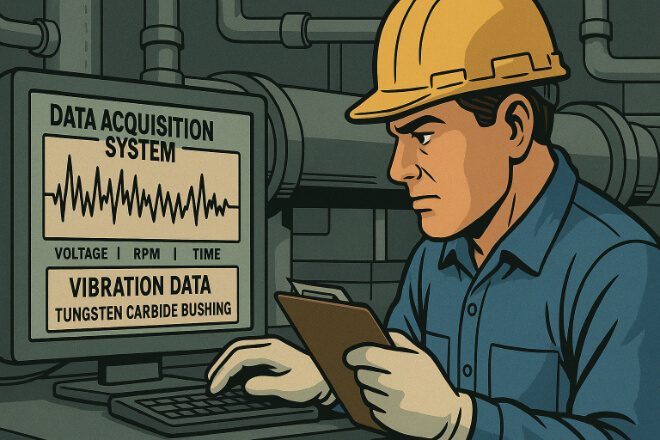
To properly diagnose vibration issues, several tools and techniques can be used to assess the condition of tungsten carbide bushings and surrounding components.
1). Vibration Analysis Tools:
Vibration Meters: Vibration meters are commonly used to measure the level of vibrations in machinery. These handheld devices can provide real-time data on the intensity and frequency of vibrations.
Accelerometers: Accelerometers are sensors that measure the acceleration of vibrating components. These sensors are often installed on equipment to monitor vibrations over time.
Data Acquisition Systems: Data acquisition systems collect and store vibration data, allowing for detailed analysis of vibration patterns and identifying potential issues.
Infrared Thermography: Infrared cameras can detect temperature changes caused by friction from excessive vibrations, offering another method for identifying potential problems.
2). Common Vibration Measurements:
Amplitude: The intensity of the vibration, usually measured in micrometers or millimeters, indicates how much displacement the bushing undergoes.
Frequency: The frequency of vibrations is an important measure, as certain frequencies can resonate with the bushing material, amplifying wear or causing failure.
Velocity: Vibration velocity is another important parameter, especially when monitoring for issues like misalignment.
Diagnosing Vibration Issues in Tungsten Carbide Bushings
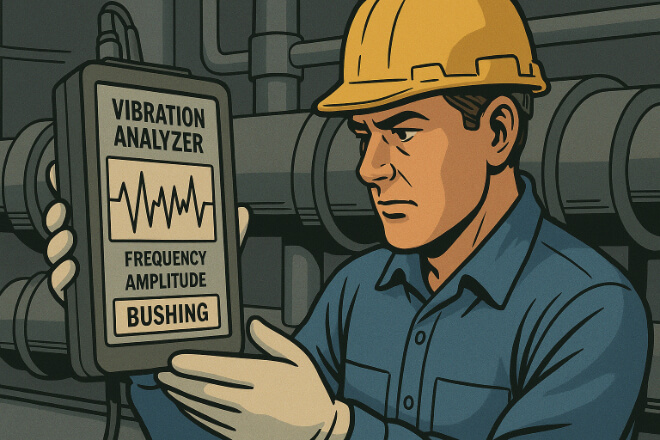
Diagnosing vibration-related issues in tungsten carbide bushings involves identifying the root cause of abnormal vibrations and understanding the patterns.
Here are the common steps involved in diagnosing these issues:
Step-by-Step Vibration Diagnosis:
Initial Vibration Testing: Use vibration meters or accelerometers to perform an initial measurement of the vibration levels in the system.
Data Collection: Collect vibration data over a period of time to capture variations in vibration levels. This can help determine if the problem is intermittent or constant.
Analyze Frequency and Amplitude: Look for abnormal frequency or amplitude patterns that could indicate misalignment, imbalance, or other mechanical issues.
Check for Resonance: If vibrations are at a specific frequency, check for potential resonance, which can cause significant stress on the bushing material.
Examine the Bushing Surface: Visually inspect the tungsten carbide bushing for signs of wear, cracking, or other damage that could be caused by excessive vibration.
Best Practices for Preventing Vibration-Induced Wear
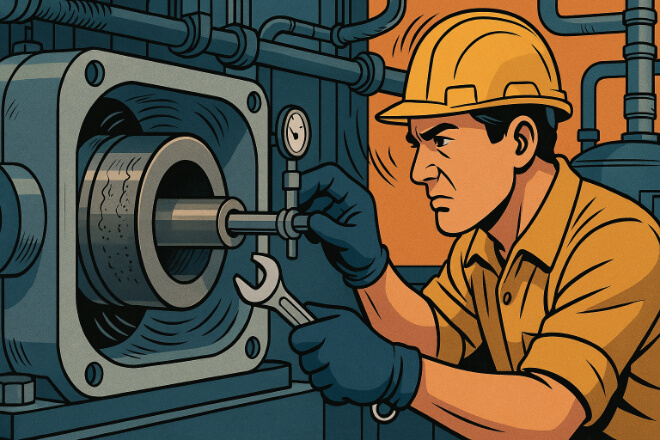
Preventing vibration-related damage to tungsten carbide bushings requires a combination of proper design, regular monitoring, and corrective actions.
Best Practices to Prevent Vibration Damage:
Proper Alignment: Ensure that all components are properly aligned to prevent misalignment-induced vibrations. Misalignment is one of the main causes of excessive wear on bushings.
Balance Rotating Components: Ensure that all rotating components are properly balanced to minimize vibrations. Unbalanced parts cause additional strain on bushings, leading to premature wear.
Regular Vibration Monitoring: Implement routine vibration monitoring as part of a proactive maintenance plan. Regular monitoring helps identify issues before they become serious problems.
Use of Dampers or Shock Absorbers: Installing vibration dampers or shock absorbers can help reduce the intensity of vibrations, protecting the bushings and other components.
Lubrication: Ensure proper lubrication of the bushing and surrounding components to reduce friction and minimize the effects of vibrations.
 English
  Español
  简体中文
简体中文  Français
  日本語
日本語  한국어
한국어  العربية
  Tiếng Việt