
Why Corrosive Media Require Special Bushing Materials

Chemical processing involves acids, alkalis, solvents, chlorides, and aggressive mixtures that can destroy standard metallic bushings.
Bronze, steel, and even stainless steel can corrode quickly when exposed to these fluids.
Key problems with standard materials
Rapid corrosion that weakens the bushing
Pitting that traps chemicals and increases wear
Surface swelling that affects clearance and increases heat
Short service life, especially in pumps running 24/7
Higher maintenance cost due to frequent replacements
Tungsten carbide bushings solve these problems by providing both مقاومة التآكل and extreme hardness, a combination rare in metallic materials.
Chemical Resistance Properties of Tungsten Carbide

Tungsten carbide is a composite material made of WC grains and a metal binder. Its corrosion resistance depends mainly on the binder type.
1). Why tungsten carbide is corrosion-resistant
WC grains are chemically stable
Nickel binders resist most acids and alkalis
The dense structure prevents fluid penetration
قليل المسامية reduces chemical attack
عالي صلابة protects against erosive-corrosive wear
2). Types of Corrosive Media Where TC Performs Well
Hydrochloric acid (HCl)
Sulfuric acid (H₂SO₄)
Seawater and brine
Chlorinated fluids
Caustic soda (NaOH)
Solvents
Wastewater with chemicals
Below is a comparison table showing typical corrosion behavior.
3). Corrosion Resistance Comparison Table
Choosing the Best Tungsten Carbide Grade for Chemical Plants

Chemical plants typically specify two main tungsten carbide types depending on media and working conditions.
1). WC-Ni (Nickel Binder): The Best for Corrosive Media
Resists acid and chloride attack
Low cobalt leaching
Very low corrosion rate
Ideal for seawater, acidic wastewater, and strong chemicals
WC-Ni is the top choice for chemical pumps, mixers, and reactors.
2). WC-Co (Cobalt Binder): For Mixed Abrasive and Chemical Conditions
أقوى صلابة
Better for abrasive fluids
Suitable for slurry with chemicals
Not ideal for strong acids
3). Which grade is best for what condition?
Performance Benefits in Chemical Pumps
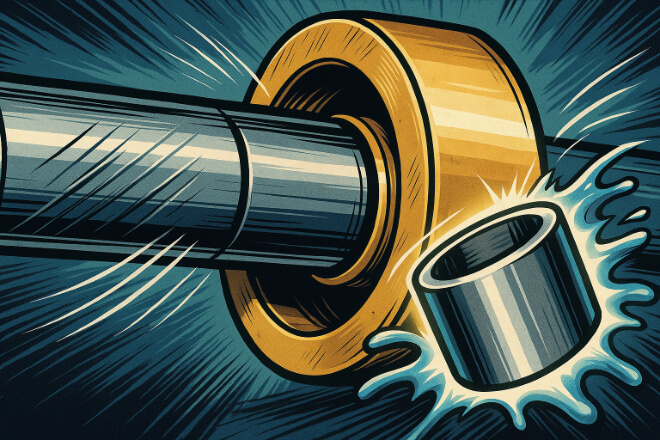
Chemical pumps rely heavily on shaft support and bearing stability. Tungsten carbide bushings improve system reliability in several ways.
Major performance advantages
Reduced shaft wear
Lower vibration
Better alignment stability
Improved pump efficiency
Longer running cycles
Less downtime due to bushing failure
Lower lifetime maintenance cost
Chemical companies often calculate ROI, and بطانات كربيد التنغستن consistently provide better value over time.
Applications in Chemical Plants
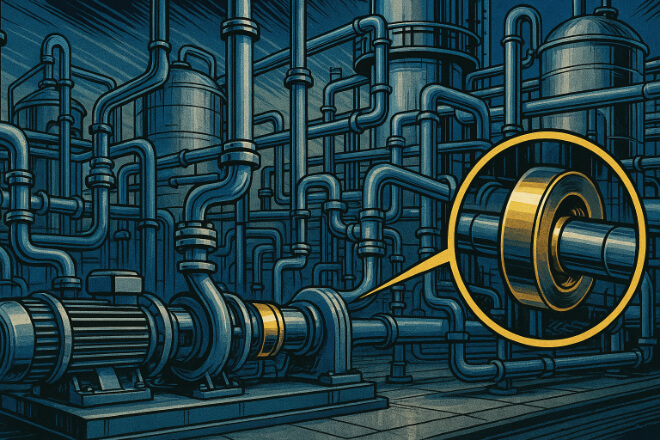
Tungsten carbide bushings are used in various rotating equipment that must handle corrosive fluid streams.
1). Common equipment types
Chemical process pumps
Magnetic drive pumps
Agitators and mixers
Reactor circulation pumps
Seawater intake pumps
Acid-handling pumps
High-RPM dosing pumps
2). Common media handled
Hydrochloric acid
Sulfuric acid
Chlorinated solvents
Wastewater with chemicals
Sodium hydroxide
Brines and seawater
Wherever metal corrosion is a risk, tungsten carbide becomes the preferred material.
Failure Modes and How to Prevent Them
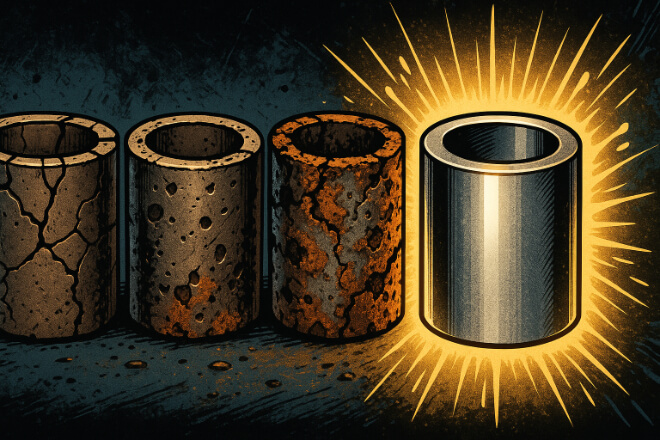
Even tungsten carbide can fail if conditions are extreme or incorrect grade is used.
1). Typical failure types
Binder leaching in strongly acidic media
Cracking due to misalignment
Abrasive wear from solid particles
Corrosion when cobalt binder reacts with chemicals
2). Prevention guidelines
Choose WC-Ni for corrosive media
Maintain shaft alignment
Ensure proper clearance
Control vibration
Use clean flushing or lubrication
Inspect early for micro-pits
Choosing the Right Supplier for Chemical Applications
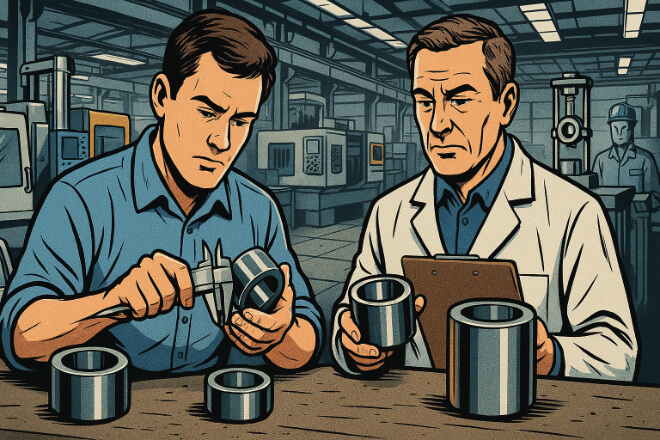
Chemical plants need reliable suppliers who understand corrosive environments.
Supplier checklist
Experience with chemical pumps
Ability to supply WC-Ni and WC-Co grades
HIP sintering capability for high density
Full traceability and documentation
Ability to make custom designs
Fast lead time
Selecting the right supplier ensures long service life, stable performance, and reduced plant maintenance.
 English
  Español
  简体中文
简体中文  Français
  日本語
日本語  한국어
한국어  العربية
  Tiếng Việt