
Common Causes of Leakage Around Tungsten Carbide Bushings
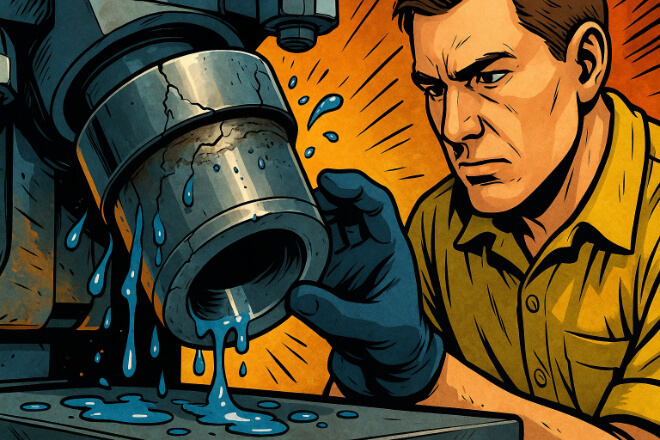
Leakage around tungsten carbide bushings can occur for a variety of reasons.
The primary factors contributing to leakage are improper fit, wear and tear, thermal expansion, and corrosion. Below are the most common causes of leakage:
1). Improper Fit or Installation
One of the most frequent causes of leakage is the improper fit of the tungsten carbide bushing in its housing.
If the bushing is too loose or too tight, it can create gaps or pressure points where fluids or gases can escape.
Example: If the bushing is slightly larger than the housing, it may create small gaps, leading to fluid leakage over time.
How to Prevent:
Ensure that the bushing dimensions match the housing specifications.
Use proper installation techniques to avoid misalignment, which can lead to gaps.
2). Wear and Tear Over Time
Over time, tungsten carbide bushings can experience wear and tear due to constant friction and pressure.
As the bushing material wears down, it can lose its ability to form a tight seal, resulting in leakage.
Example: In a pump or valve, the constant movement and pressure can cause the bushing to wear unevenly, leading to gaps through which fluids can leak.
How to Prevent:
Regular inspections to monitor wear patterns.
Replace bushings before they reach a point of excessive wear.
3). Thermal Expansion and Contraction
Tungsten carbide bushings are designed to handle high temperatures, but thermal expansion and contraction can affect the fit of the bushing in its housing.
When exposed to extreme temperature variations, the bushing and housing materials expand and contract at different rates, potentially leading to gaps and leakage.
Example: In aerospace applications, where parts experience significant temperature changes, tungsten carbide bushings can expand or contract differently, resulting in a loose fit and leakage.
How to Prevent:
Choose materials with similar thermal expansion coefficients for the bushing and housing.
Consider thermal management systems to reduce temperature variations.
4). Corrosion and Erosion
Even though tungsten carbide is highly resistant to wear and corrosion, certain environmental factors can still cause degradation over time.
Corrosive fluids, abrasive particles, or extreme operating conditions can wear away the bushing material or degrade its performance, resulting in leakage.
Example: In chemical pumps, exposure to aggressive chemicals can cause the bushing material to break down, leading to leakage.
How to Prevent:
Use nickel-bonded tungsten carbide or other corrosion-resistant materials for bushings in corrosive environments.
Apply protective coatings to bushings exposed to corrosive chemicals or harsh environments.
Diagnosing Leakage in Tungsten Carbide Bushings
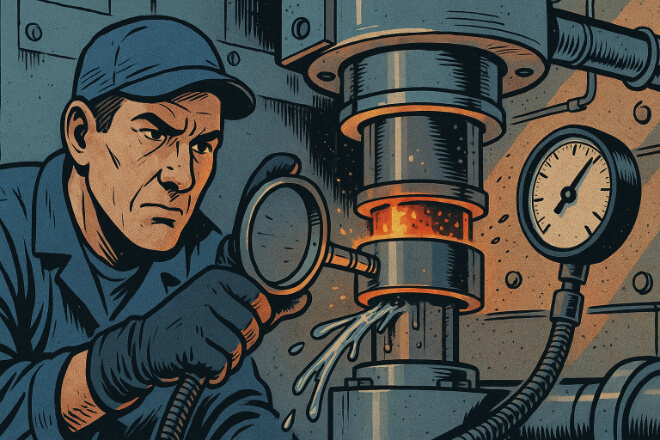
Detecting leakage early is crucial to minimizing the impact on operations. Here are some common methods for diagnosing leakage around tungsten carbide bushings:
1). Visual Inspection
The most straightforward method for detecting leakage is visual inspection. Look for signs of fluid or gas escaping from the bushing area.
In some cases, you may also notice discoloration or staining around the bushing that indicates a leak.
Look for:
Fluid or gas leaking from around the bushing.
Staining or discoloration near the bushing.
Cracks or damage in the housing or bushing.
2). Pressure Testing
Another effective method for detecting leakage is pressure testing. By pressurizing the system and observing the drop in pressure, you can identify areas where fluid or gas is escaping.
How It Works:
Pressurize the system and monitor the pressure over time.
A drop in pressure can indicate leakage around the bushing.
3). Acoustic Emission Testing
Acoustic emission testing can detect the presence of a leak by listening for sound waves generated when the fluid or gas escapes through the gap.
This non-destructive testing method is useful for locating leaks in real-time.
How It Works:
Specialized sensors detect sound emissions from the leak.
The data is analyzed to identify the location of the leak.
4). Dye Penetrant Testing
Dye penetrant testing is another non-destructive method to detect surface leakage.
By applying a dye to the bushing area, you can detect any leakage that causes the dye to escape.
How It Works:
Apply dye to the bushing area and wipe off excess.
Leaks will cause the dye to remain, revealing the location of the leak.
Preventing Leakage Around Tungsten Carbide Bushings
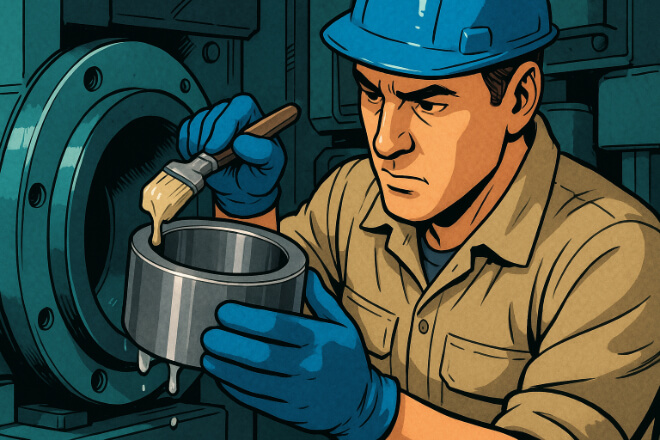
While detecting leakage is crucial, prevention is always the best approach. Here are some best practices to reduce the risk of leakage:
1). Regular Inspections and Maintenance
Regular inspections of tungsten carbide bushings can help detect early signs of wear, corrosion, or misalignment that may lead to leakage.
Preventive maintenance is essential to keep bushings in optimal condition.
2). Ensure Proper Fit and Alignment
Ensure that bushings are installed correctly and that they fit snugly within their housing.
Proper alignment is essential to prevent gaps from forming, which could lead to leakage.
3). Use of Proper Lubrication
In applications where friction and wear are concerns, proper lubrication can reduce wear on the bushing and help maintain a tight seal.
Ensure that the right lubricant is used for the specific operating conditions.
4). Selecting the Right Material
Choosing the right material for the bushing based on the operating environment is critical to reducing the risk of corrosion and wear.
For highly corrosive environments, consider using nickel-bonded tungsten carbide or coated tungsten carbide bushings.
 English
  Español
  简体中文
简体中文  Français
  日本語
日本語  한국어
한국어  العربية
  Tiếng Việt