
What Makes Tungsten Carbide Tips Superior to Other Materials?
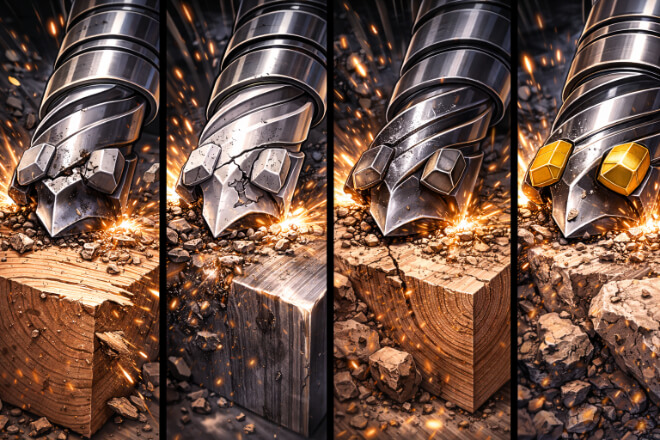
Tungsten carbide is a compound of tungsten and carbon, and it is known for its extreme hardness and wear resistance.
It is often used in tools that need to withstand high levels of stress and abrasion, such as cutting tools, mining equipment, and industrial machinery.
The key advantages of tungsten carbide tips include:
High hardness: With a hardness rating of 8.5 on the Mohs scale, tungsten carbide can withstand wear and abrasion much longer than other materials.
Excellent wear resistance: Tungsten carbide is particularly effective in environments where tools are exposed to rough surfaces or harsh conditions.
Heat resistance: Tungsten carbide can handle higher temperatures without losing its structural integrity, making it suitable for high-speed operations.
These benefits make tungsten carbide a popular choice for demanding applications where performance and durability are crucial.
Comparing Tungsten Carbide to High-Speed Steel (HSS)
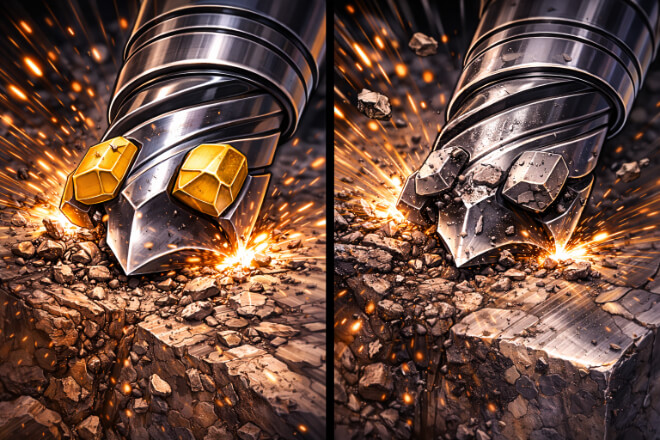
High-speed steel (HSS) has been a standard material for cutting tools for many years.
HSS offers a good balance between hardness, toughness, and ease of sharpening. However, when compared to tungsten carbide, HSS has some limitations.
1). Advantages of HSS:
Toughness: HSS is more ductile than tungsten carbide, meaning it is less likely to break under impact.
Easier to sharpen: HSS can be re-sharpened more easily, making it ideal for applications where frequent tool maintenance is necessary.
2). Limitations of HSS:
Lower hardness: HSS is significantly softer than tungsten carbide, which means it wears out faster when cutting hard materials.
Heat sensitivity: HSS can lose its hardness at higher temperatures, which reduces its performance during high-speed operations.
While HSS remains a versatile material, tungsten carbide is typically preferred for high-performance applications that demand longer tool life and superior resistance to wear.
Tungsten Carbide vs. Ceramics: A Comparison
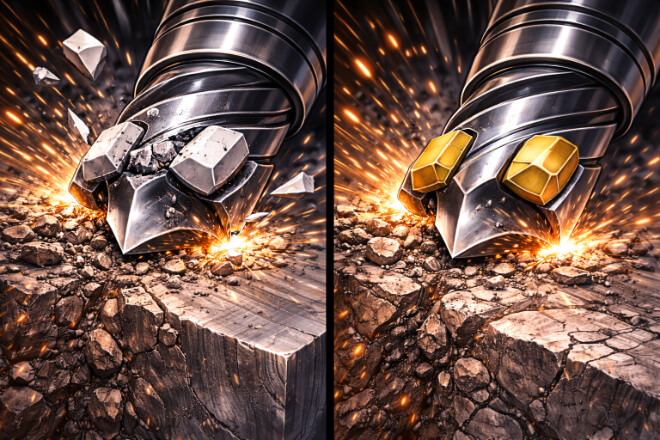
Ceramic materials, including zirconia and alumina, are known for their hardness and heat resistance.
Ceramic tips are used in some cutting tools, but they have distinct differences when compared to tungsten carbide.
1). Advantages of Ceramics:
Extremely hard: Ceramic materials are incredibly hard and can maintain sharp edges for longer.
Heat resistance: Ceramics excel in high-temperature applications and can withstand temperatures much higher than tungsten carbide.
2). Limitations of Ceramics:
Brittleness: Unlike tungsten carbide, ceramics are more brittle and prone to cracking or shattering under high impact or stress.
Limited toughness: Ceramics are not as tough as tungsten carbide, meaning they are less effective in applications where the tool faces impacts or vibrations.
Although ceramics offer exceptional hardness and heat resistance, tungsten carbide is often the preferred choice for cutting tools due to its combination of hardness, toughness, and impact resistance.
Tungsten Carbide vs. Cobalt Alloys
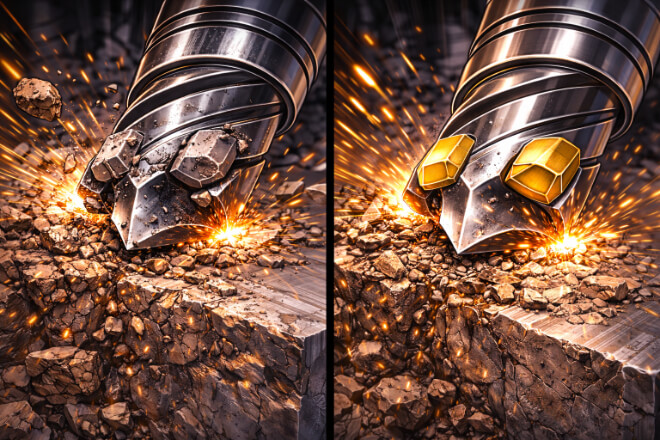
Cobalt alloys, often used in aerospace and automotive applications, are known for their high strength, toughness, and resistance to wear. However, when compared to tungsten carbide, cobalt alloys present some differences.
1). Advantages of Cobalt Alloys:
Toughness: Cobalt alloys are generally tougher than tungsten carbide, meaning they are better at handling shock and impact.
Good resistance to corrosion: Cobalt alloys excel in environments where corrosion is a concern, making them ideal for certain chemical processing applications.
2). Limitations of Cobalt Alloys:
Lower hardness: Cobalt alloys are softer than tungsten carbide and do not offer the same level of wear resistance.
Reduced heat resistance: While cobalt alloys perform well in many environments, they do not withstand high temperatures as well as tungsten carbide.
Tungsten carbide remains superior when cutting abrasive materials due to its higher hardness and wear resistance, while cobalt alloys are more suited for applications requiring toughness and corrosion resistance.
Choosing the Right Material for Your Application
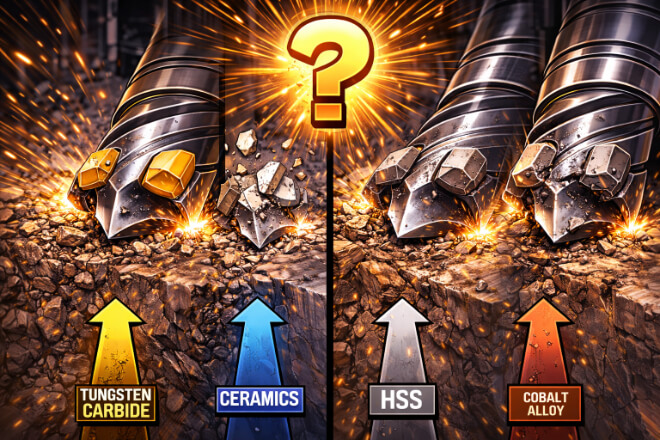
The choice of material depends on the specific requirements of the application. Here are some factors to consider:
Material hardness: Tungsten carbide is ideal for cutting hard materials or when the tool will be exposed to abrasion.
Toughness requirements: If toughness and resistance to impact are key, cobalt alloys may be a better choice.
Heat resistance: For high-temperature environments, ceramics or tungsten carbide are preferable.
Cost considerations: Tungsten carbide may be more expensive than HSS or cobalt alloys, but its long life and high performance often justify the higher upfront cost.
By understanding the advantages and limitations of each material, you can make an informed decision based on your application needs.
 English
  Español
  简体中文
简体中文  Français
  日本語
日本語  한국어
한국어  العربية
  Tiếng Việt