
¿Qué es la rugosidad superficial?

La rugosidad superficial se refiere a las pequeñas desviaciones muy próximas entre sí en la superficie de un material, que normalmente se miden en términos de altura y separación.
Estas irregularidades pueden deberse a diversos factores durante el proceso de fabricación, como el mecanizado o el rectificado.
La rugosidad de una superficie afecta a la forma en que interactúan dos componentes, especialmente en aplicaciones de deslizamiento donde una parte se mueve contra otra.
La rugosidad de la superficie se suele medir en micrómetros (µm) o micropulgadas (µin).
El parámetro clave utilizado para medir la rugosidad de la superficie es Ra (rugosidad media aritmética), que representa la altura media de los picos y valles de la superficie.
Baja rugosidad superficial (lisa): Un valor Ra bajo significa una superficie más lisa, lo que reduce la fricción y el desgaste.
Alta rugosidad superficial (rugosa): Un valor Ra más alto indica más irregularidades en la superficie, lo que conlleva un aumento de la fricción y el desgaste.
¿Cómo afecta la rugosidad de la superficie a la vida útil de los casquillos?
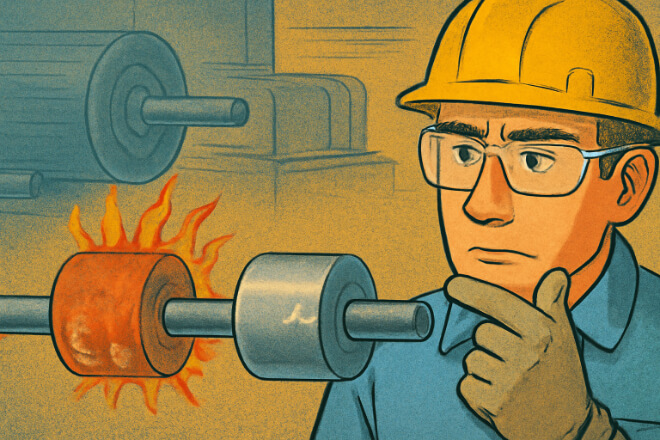
La rugosidad de la superficie del buje influye directamente en varios factores críticos que determinan su vida útil, entre ellos:
1). Fricción y desgaste
Una superficie más lisa (valor Ra más bajo) reduce la fricción entre el casquillo y la superficie de acoplamiento, como por ejemplo un eje.
Una menor fricción conlleva un menor desgaste, lo que prolonga la vida útil tanto del casquillo como del eje.
Por el contrario, una superficie más rugosa aumenta la fricción, lo que provoca mayor calor y desgaste, acortando así la vida útil de ambos componentes.
Baja rugosidad superficial: Reduce la fricción, minimiza la acumulación de calor y disminuye el desgaste.
Alta rugosidad superficial: aumenta la fricción, genera más calor y acelera el desgaste.
2). Eficiencia de lubricación
La rugosidad de la superficie del casquillo también afecta a la eficacia de la lubricación.
Una superficie más lisa permite que el lubricante forme una película más uniforme y eficaz entre el casquillo y el eje.
Esta película ayuda a reducir la fricción y a evitar el contacto directo entre las superficies, reduciendo aún más el desgaste.
Por el contrario, una superficie rugosa puede romper la película lubricante, lo que provoca un aumento de la fricción y el desgaste.
3). Área de contacto y distribución de carga
Una superficie más rugosa aumenta el área de contacto entre el casquillo y el componente de acoplamiento, lo que puede dar lugar a puntos de presión localizados más elevados.
Esto puede provocar una degradación más rápida del material, mientras que una superficie más lisa garantiza una distribución de la carga más uniforme y un menor desgaste con el tiempo.
Valores ideales de rugosidad superficial para casquillos de carburo de tungsteno
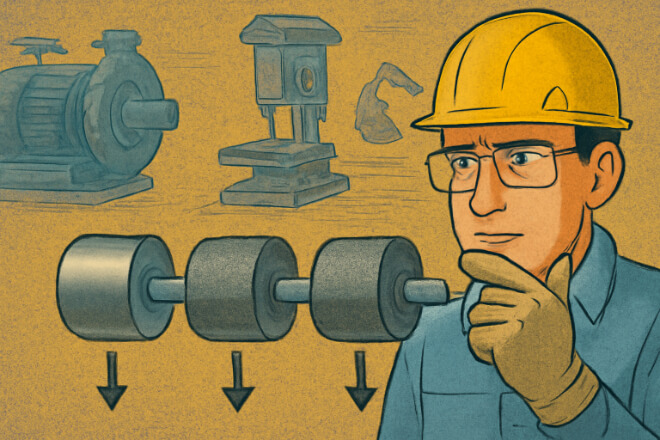
Los valores ideales de rugosidad superficial para bujes de carburo de tungsteno Dependen de la aplicación y de los materiales involucrados. A continuación se presentan pautas generales para los valores de rugosidad superficial:
1). Aplicaciones de alta velocidad
En aplicaciones de alta velocidad, como bombas o maquinaria de precisión, normalmente se requiere una menor rugosidad superficial para reducir la fricción y la generación de calor.
Una superficie más lisa ayuda a mantener la integridad del buje y reduce las posibilidades de desgaste prematuro.
Valor Ra ideal: 0,1–0,3 µm (superficies pulidas o rectificadas)
Ejemplos de aplicación: Bombas de alta velocidad, motores de precisión, máquinas CNC.
2). Aplicaciones de velocidad y carga moderadas
Para aplicaciones de velocidad moderada con cargas moderadas, como piezas de automóviles o maquinaria industrial.
Una rugosidad superficial ligeramente mayor puede ser aceptable sin dejar de proporcionar un buen equilibrio. resistencia al desgaste y rendimiento.
Valor Ra ideal: 0,3–0,5 µm (superficies rectificadas o ligeramente pulidas)
Ejemplos de aplicación: Cajas de engranajes, sistemas de transporte, máquinas herramienta.
3). Aplicaciones de alta carga y baja velocidad
En aplicaciones de alta carga y baja velocidad, como equipos de minería o maquinaria pesada, una mayor rugosidad superficial puede ser aceptable para soportar las mayores tensiones.
Sin embargo, sigue siendo fundamental mantener un equilibrio para evitar un desgaste excesivo.
Valor Ra ideal: 0,5–1,0 µm (superficies rectificadas o sin pulir)
Ejemplos de aplicación: Maquinaria pesada, equipos de minería, cojinetes de alta carga.
Valores de rugosidad superficial para diferentes aplicaciones
Cómo lograr la rugosidad superficial ideal
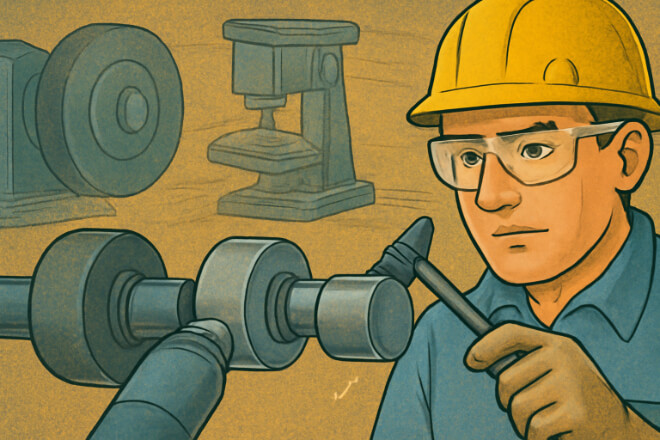
Para lograr la rugosidad superficial ideal en los casquillos de carburo de tungsteno, es necesario elegir los procesos y técnicas de fabricación adecuados. Algunos métodos comunes incluyen:
1). Molienda
El rectificado es un método común para lograr una baja rugosidad superficial. Mediante el uso de muelas abrasivas con abrasivos finos, los fabricantes pueden conseguir un acabado superficial liso.
Este método resulta especialmente eficaz para aplicaciones de alta y media velocidad.
2). Pulido
El pulido se utiliza para crear superficies ultrasuaves con valores de rugosidad muy bajos (Ra < 0,1 µm). Esto resulta ideal para aplicaciones que requieren una fricción y un desgaste mínimos, como en bombas y motores de precisión.
3). Vueltas
El lapeado es un proceso de acabado preciso que se utiliza para conseguir una superficie muy lisa con una rugosidad mínima.
Consiste en frotar el casquillo contra una superficie plana con abrasivos finos y se utiliza a menudo para aplicaciones de alta precisión.
4). Recubrimientos superficiales
En algunos casos, la aplicación de recubrimientos como el carbono tipo diamante (DLC) u otros recubrimientos de baja fricción puede ayudar a reducir la rugosidad de la superficie y mejorar resistencia al desgaste, especialmente para aplicaciones de alta carga.
Mantenimiento y supervisión

Para garantizar que el casquillo siga funcionando de forma óptima, es fundamental controlar periódicamente la rugosidad de su superficie y su estado general.
El mantenimiento, la lubricación y la inspección regulares pueden ayudar a identificar cualquier desgaste de la superficie o cambios que puedan afectar negativamente al rendimiento.
 English
  Español
  简体中文
简体中文  Français
  日本語
日本語  한국어
한국어  العربية
  Tiếng Việt