
1. Why Tungsten Carbide Tips Are Ideal for Woodworking
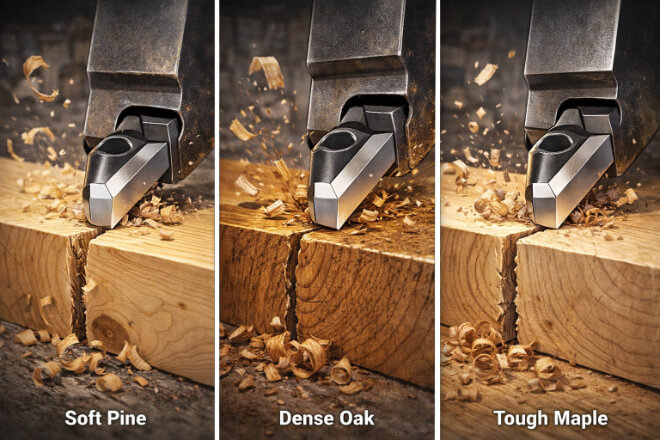
Tungsten carbide is a highly durable and hard material made from tungsten and carbon, making it perfect for cutting through tough materials like wood, laminate, and MDF.
When it comes to precision woodworking and cabinet making, having the right tools with durable tips is crucial to achieving smooth cuts and long-lasting performance.
Key Benefits of Tungsten Carbide Tips in Woodworking:
Dureza: Tungsten carbide is one of the hardest materials, helping to maintain sharpness for longer periods of time.
Resistencia al desgaste: It resists wear better than steel or other common tool materials, ensuring tools last longer.
Resistencia al calor: Tungsten carbide can withstand the heat generated during high-speed cutting, which prevents edge softening.
Corte de precisión: The hardness of carbide tips ensures clean, precise cuts with minimal splintering, essential for high-quality woodworking.
These properties make tungsten carbide tips an excellent choice for tools used in cabinet making, fine woodworking, and other detailed woodcrafts.
2. Best Types of Tungsten Carbide Tips for Woodworking Tools
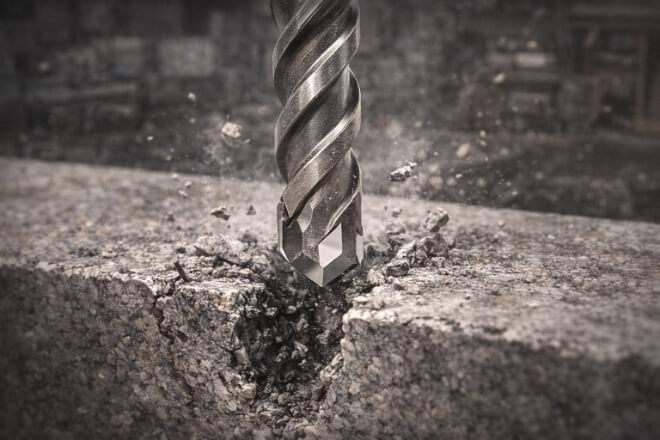
There are several types of tungsten carbide tips used in woodworking tools, each offering unique benefits depending on the task at hand.
When selecting the right carbide tip, it’s essential to consider the material being worked with and the desired cutting performance.
Common Types of Tungsten Carbide Tips for Woodworking:
Cylindrical Carbide Tips: Commonly used for standard wood cutting and shaping tasks. They provide a clean finish and are effective for cutting through softwoods and hardwoods.
Tipped Router Bits: Carbide-tipped router bits are ideal for shaping edges, hollowing out wood, and carving intricate designs. Their ability to maintain sharpness and precision is vital for detailed work.
Saw Blades with Carbide Tips: Circular saws with tungsten carbide-tipped blades offer smooth, precise cuts, making them essential for crosscutting and ripping through wood materials, including thicker planks and plywood.
Drill Bits: Tungsten carbide-tipped drill bits are perfect for drilling into wood, ensuring clean holes and preventing wear on the cutting edge.
By selecting the right carbide-tipped tool, woodworkers can enhance both the efficiency and quality of their work.
3. How Tungsten Carbide Tips Improve Cutting Efficiency
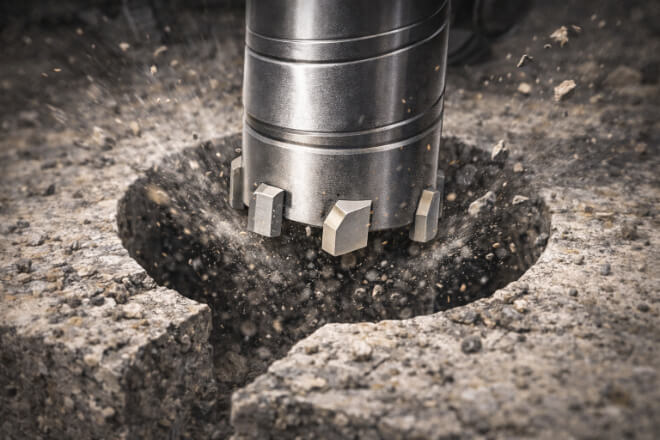
Cutting efficiency in woodworking involves achieving smooth cuts at faster speeds without compromising tool life.
Tungsten carbide tips are known for improving cutting efficiency in several ways:
How Tungsten Carbide Improves Cutting Efficiency:
Mayor vida útil de la herramienta: Tungsten carbide’s resistencia al desgaste means tools stay sharper for longer, reducing the frequency of tool changes.
Faster Cutting: Due to their dureza, tungsten carbide tips allow for higher cutting speeds, improving overall productivity in the shop.
Less Vibration: Carbide tips can withstand the vibrations and stresses of high-speed cutting, resulting in more stable operation and more precise cuts.
Generación de calor reducida: With carbide tips, less heat is generated during cutting, which prevents overheating and reduces the likelihood of tool failure.
These improvements in cutting efficiency not only increase productivity but also reduce operating costs by extending tool life and minimizing downtime.
4. Choosing the Right Tungsten Carbide Tip for Wood Type
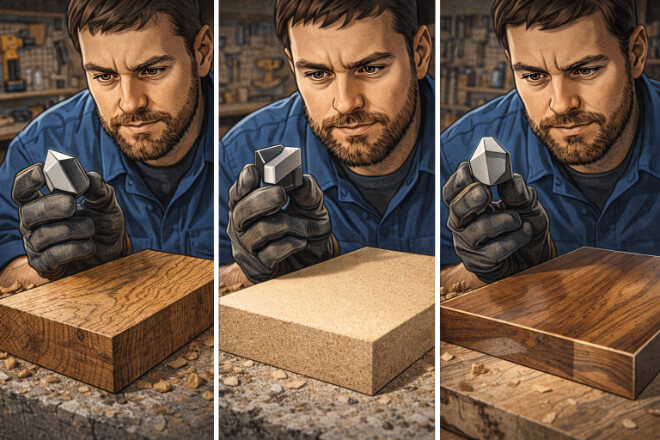
Different types of wood require different cutting approaches. Hardwood, softwood, plywood, MDF, and composite materials all have unique characteristics that impact how well they cut.
Tungsten carbide tips are available in various shapes and sizes, each designed to perform best with specific materials.
Factores a considerar al elegir puntas de carburo de tungsteno:
Material Dureza: Hardwoods like oak and maple require more robust carbide tips to prevent premature wear, while softwoods can be cut more easily with standard carbide tips.
Velocidad de corte: For high-speed cutting, like in cabinet making, it’s essential to use carbide tips designed to handle higher speeds without losing sharpness.
Madera Densidad: Dense woods, laminates, and MDF often require carbide tips with a tougher edge to withstand the increased stress and maintain precision.
Finishing Requirements: For fine woodworking or decorative projects, select carbide-tipped tools designed for smooth, fine cuts to achieve a polished finish.
By matching the right carbide tip to the material type and cutting needs, woodworkers can achieve better performance and results.
5. Managing Wear and Tear in Tungsten Carbide Tools
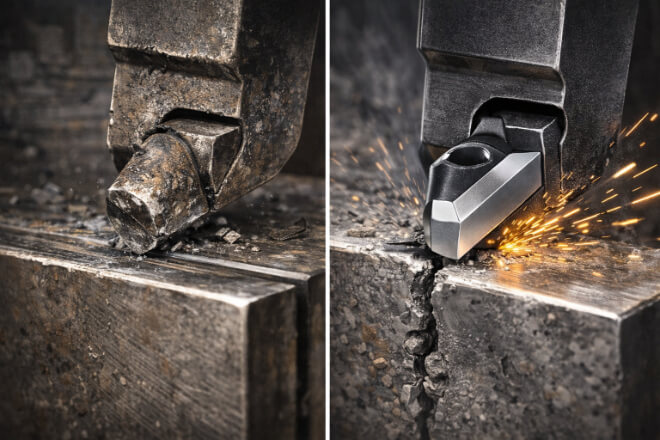
Even though tungsten carbide tips last longer than many other materials, they still face wear and tear over time.
Understanding wear patterns and how to manage them is key to maximizing the lifespan of carbide tools.
Ways to Manage Wear in Carbide Tools:
Avoid Overloading: Using too much force or pushing the tool too hard can cause the carbide tip to wear faster.
Velocidad y velocidad de alimentación adecuadas: Maintaining the correct cutting speed and feed rate prevents excessive heat buildup, which can cause wear or tip damage.
Mantenimiento regular: Keeping tools clean, lubricated, and properly aligned will reduce wear on the carbide tips and improve performance.
Managing wear ensures that the tungsten carbide tips remain effective for longer periods, minimizing downtime and costs associated with tool replacements.
6. Cost Effectiveness of Tungsten Carbide Tips in Woodworking

Although carbide-tipped tools come with a higher initial cost, they are more cost-effective over time due to their extended tool life and improved cutting performance.
Investing in quality tungsten carbide tips reduces the frequency of tool replacements, enhances cutting speeds, and minimizes maintenance costs.
Entre los beneficios económicos se incluyen:
Mayor vida útil de la herramienta: Tungsten carbide tips last significantly longer than other materials, reducing the frequency of tool replacements.
Mayor eficiencia: With higher cutting speeds and reduced downtime, overall productivity increases, leading to cost savings in the long run.
Improved Quality: Carbide tips produce cleaner, more precise cuts, reducing the need for rework and waste.
Overall, the initial cost of tungsten carbide tips is quickly offset by the increased efficiency, tool longevity, and reduction in maintenance costs.
7. Applications of Tungsten Carbide Tips in Other Woodworking Tools
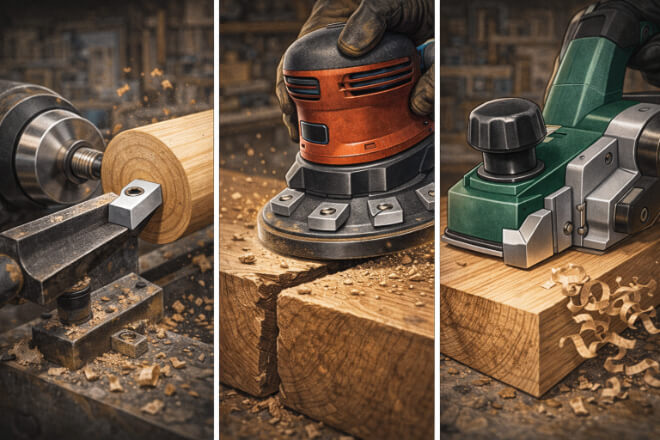
Puntas de carburo de tungsteno are not just limited to drills and saw blades. They are also used in other woodworking tools to improve performance and tool life.
Other Applications of Tungsten Carbide Tips Include:
Sanding Tools: Tungsten carbide is used in sanding discs and belts for heavy-duty applications, providing excellent durability and smooth finishes.
Planers and Jointers: Carbide-tipped blades are ideal for precision work, ensuring clean, accurate cuts without the need for frequent sharpening.
Lathes: Tungsten carbide tips are used in turning tools for detailed carving and shaping of wood, offering durability and fine finishing.
By incorporating tungsten carbide tips into a variety of tools, woodworkers can enjoy the benefits of longer-lasting and higher-performing equipment across their entire toolkit.
 English
  Español
  简体中文
简体中文  Français
  日本語
日本語  한국어
한국어  العربية
  Tiếng Việt