
What Are Tungsten Carbide Composite Bushings?
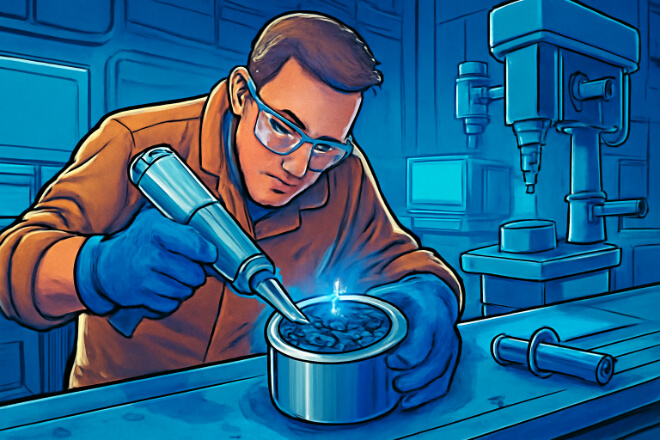
Tungsten carbide composite bushings are made by combining tungsten carbide (WC) particles with a binder material, such as cobalt (Co) or nickel (Ni).
These bushings are designed to provide high performance in environments where regular tungsten carbide might fall short.
Such as in applications that require superior résistance à l'usure, high temperature tolerance, and corrosion protection.
Types of Tungsten Carbide Composites
WC-Co Composites: The most common type, combining tungsten carbide with cobalt to improve toughness and shock resistance.
WC-Ni Composites: A nickel binder enhances the résistance à la corrosion of the composite, making it ideal for chemically aggressive environments.
These composites combine the strengths of tungsten carbide with other materials to create a bushing that excels in extreme industrial applications.
Performance of Tungsten Carbide Composite Bushings in Extreme Conditions
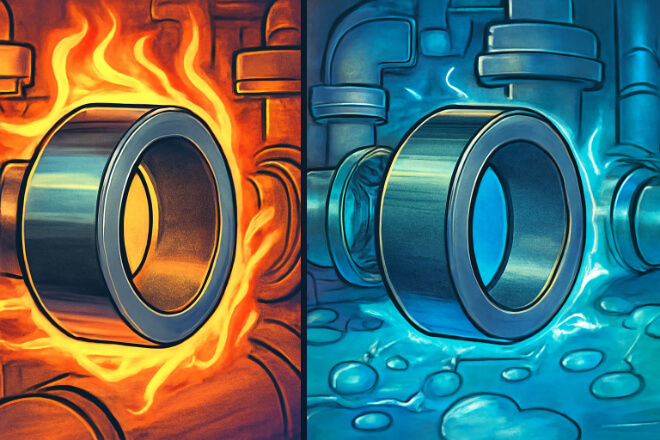
Tungsten carbide composite bushings are specifically designed for applications where traditional materials may fail due to extreme wear, corrosion, or heat.
Let’s take a closer look at their performance in high temperature, high load, and corrosive environments.
1). High-Temperature Performance
One of the main advantages of tungsten carbide composite bushings is their ability to withstand high temperatures without losing their dureté ou résistance à l'usure.
Tungsten carbide itself can withstand temperatures up to 1,200°C (2,192°F) without significant degradation.
The addition of the binder material allows the bushings to handle thermal expansion, making them highly durable in extreme heat.
1.1). Applications:
Aérospatial engines
High-speed turbines
Pétrole et gaz drilling operations
1.2). Why Choose Tungsten Carbide Composites for High-Temperature Environments?
The composite bushings retain their strength and wear resistance even in temperatures that would cause other materials to fail, ensuring consistent performance and longer operational life.
2). High-Load and Heavy-Duty Applications
In high-load applications, tungsten carbide composite bushings excel due to their superior hardness and impact resistance.
The material is perfect for high-pressure environments where components face constant mechanical stress, as it resists wear and deformation.
2.1). Applications:
Exploitation minière equipment
Heavy machinery and construction equipment
High-load automotive parts
2.2). Why Choose Tungsten Carbide Composites for High-Load Applications?
These bushings can handle intense forces without deforming or breaking, ensuring durability and reducing the need for frequent replacements.
3). Corrosion Resistance in Harsh Environments
In industries where equipment is exposed to corrosive fluids or gases, WC-Ni composite bushings are the best choice.
Nickel is highly resistant to chemical attack, so when combined with tungsten carbide, it creates a material that can withstand acidic, alkaline, or saline environments.
3.1). Applications:
Chemical processing plants
Marine equipment
Seawater desalination plants
3.2). Why Choose Tungsten Carbide Composites for Corrosive Environments?
The addition of nickel in WC-Ni composites makes these bushings highly resistant to corrosion, ensuring a longer service life in chemically aggressive environments.
Advantages of Tungsten Carbide Composite Bushings
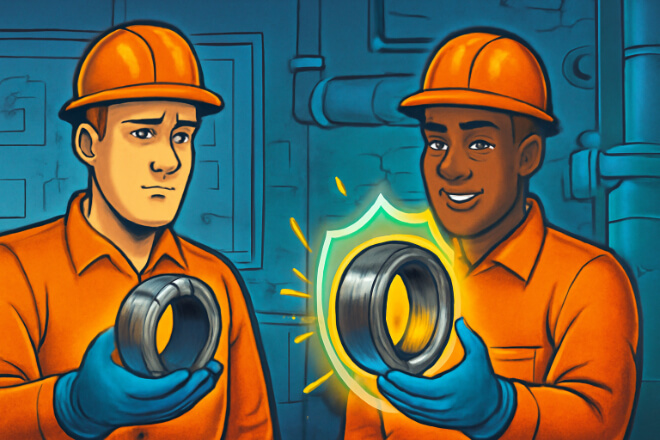
Tungsten carbide composite bushings offer several advantages over traditional materials, especially when it comes to extreme conditions. Below are some key benefits:
1). Enhanced Résistance à l'usure
Tungsten carbide is one of the hardest materials known, and when combined with a binder material, it maintains its wear resistance even in harsh environments.
The composite nature of these bushings ensures that they perform well under abrasive conditions.
2). Superior Impact Resistance
The binder material (such as cobalt or nickel) provides the dureté needed to absorb shock and impact without cracking, making tungsten carbide composite bushings ideal for heavy-duty machinery.
3). Extended Operational Life
Le dureté et résistance à l'usure and corrosion result in a longer operational life for components, reducing the frequency of replacements and minimizing downtime.
4). Customizable for Specific Needs
Manufacturers can tailor the binder materials and grain size to meet the specific needs of an application, offering customized performance in industries like exploitation minière, pétrole et gaz, et aérospatial.
Applications of Tungsten Carbide Composite Bushings
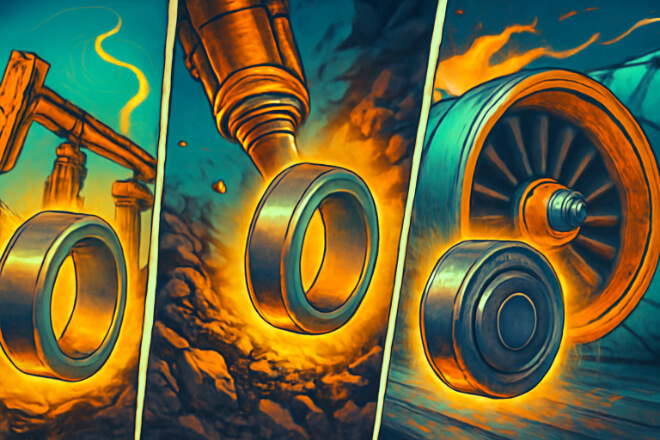
Tungsten carbide composite bushings are used in various industries that require high-performance materials in extreme conditions. Here are a few examples:
1). Pétrole et gaz Industrie
The oil and gas industry requires materials that can withstand high temperatures, high pressures, and exposure to corrosive chemicals.
Tungsten carbide composite bushings are commonly used in downhole drilling equipment, valves, and pumps, where they help reduce wear and increase the operational life of equipment.
2). Exploitation minière and Construction
Mining and construction industries deal with heavy machinery that faces abrasive materials and high-impact conditions.
Tungsten carbide composite bushings are used in drill rigs, excavators, and loaders to improve performance and reduce maintenance costs.
3). Aérospatial and High-Speed Machinery
In the aerospace sector, where components are subjected to extreme temperatures and mechanical stress, tungsten carbide composite bushings are used in turbines, engines, and landing gear systems for their durability and reliability.
 English
  Español
  简体中文
简体中文  Français
  日本語
日本語  한국어
한국어  العربية
  Tiếng Việt