
1. Understanding Tungsten Carbide and Its Advantages for Harsh Environments
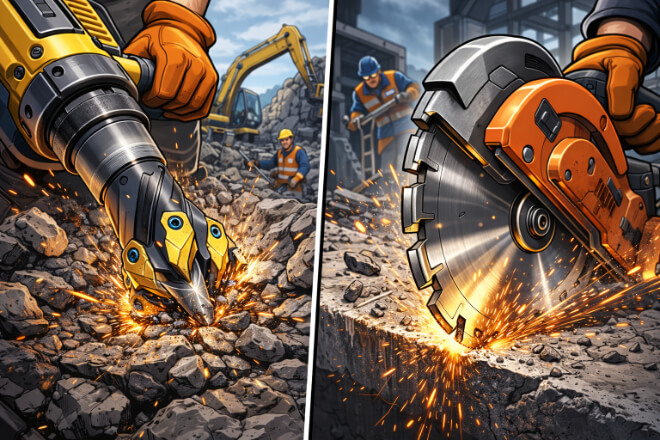
Tungsten carbide is a composite material made from tungsten and carbon, known for its extreme hardness and resistance to wear.
These properties make it the ideal choice for applications that involve cutting, drilling, or machining tough materials under harsh environmental conditions.
Key Advantages of Tungsten Carbide Tips:
Dureté: Tungsten carbide is one of the hardest materials available, capable of cutting through some of the toughest materials, such as steel, concrete, and rock.
Résistance à l'usure: It resists abrasion and wear, even in environments with constant friction or exposure to harsh materials.
Résistance à la chaleur: Tungsten carbide tips can withstand high temperatures without losing hardness or performance, making them suitable for high-speed and high-heat applications.
Stabilité dimensionnelle: The material maintains its shape under stress, preventing deformation that can occur with softer materials.
These qualities make tungsten carbide tips the go-to material for tools used in environments where performance is paramount.
2. Choosing the Right Grade of Tungsten Carbide for Specific Conditions
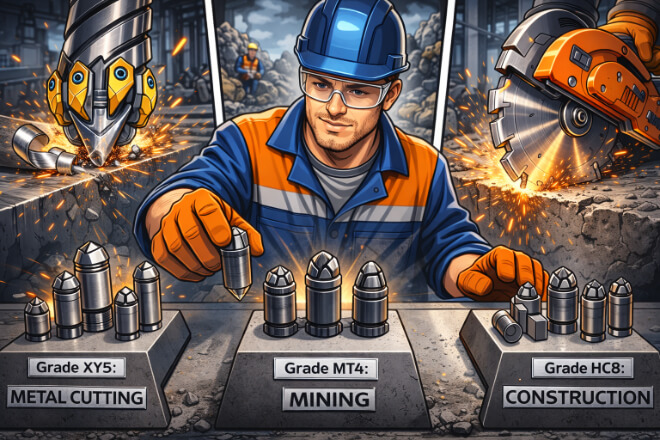
Not all tungsten carbide grades are created equal.
Different grades have varying levels of dureté, dureté, et résistance à l'usure, and selecting the right one depends on the conditions of your environment and the specific application.
Factors to Consider When Choosing Tungsten Carbide Grade:
Résistance à l'usure: For applications where wear is the primary concern, such as cutting abrasive materials, a high-wear-resistant grade with fine grain size is ideal.
Impact Resistance: In applications with high impact or shock loading (e.g., exploitation minière or heavy construction), a grade with coarser grains and higher binder content is better suited for toughness.
Résistance à la chaleur: If the cutting tool will be exposed to high temperatures, selecting a grade with superior heat resistance is essential to maintain tool integrity and cutting performance.
Taille des grains and Binder Content: Fine-grain carbide offers high hardness and wear resistance but may lack toughness, while coarse-grain carbide improves toughness but may reduce wear resistance. The binder content (usually cobalt) can also affect the material’s toughness and heat resistance.
Understanding the balance between these factors will help you select the right tungsten carbide grade to meet the specific demands of your harsh environment.
3. Impact Resistance for Tough Applications
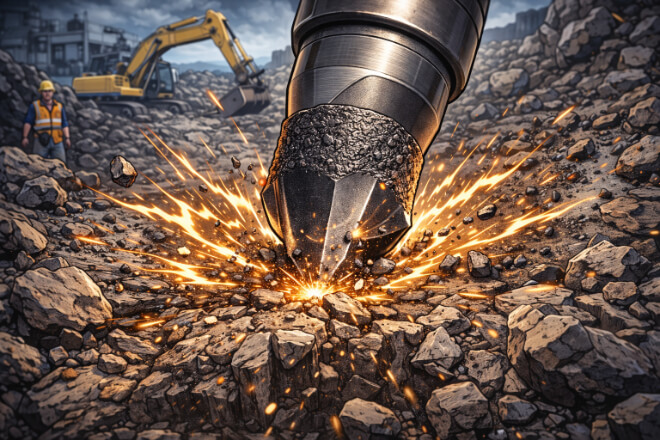
In harsh environments, tools often face impact forces, such as when cutting through rock, concrete, or other tough materials.
In these cases, dureté becomes just as important as dureté. Tungsten carbide tips with good impact resistance can absorb shocks without cracking or breaking.
How Impact Resistance Affects Tool Performance:
Grossier Taille des grains: Coarse-grain tungsten carbide is more resilient under impact and can handle the repeated shocks experienced in heavy-duty applications, like mining, drilling, or excavation.
Teneur en liant plus élevée: Carbide tips with higher binder content are tougher and more resistant to chipping, making them ideal for environments where the tool faces sudden stresses or irregular loads.
Application: For heavy-duty operations, such as rock drilling or road milling, impact-resistant carbide tips are designed to perform under high-pressure conditions, extending tool life and reducing failure rates.
Impact resistance is essential for ensuring that carbide tips remain durable under tough, high-impact conditions, allowing for continued productivity.
4. Heat Resistance and Maintaining Performance at High Temperatures
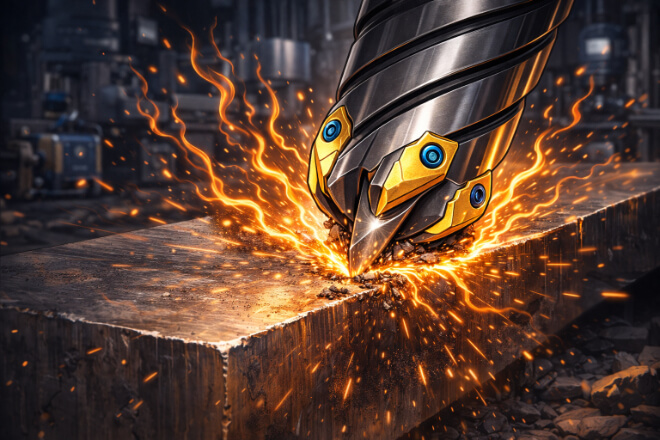
High-speed machining, drilling, and cutting often generate significant heat due to friction.
If the cutting tool material cannot handle these temperatures, it will soften, lose its sharpness, and degrade rapidly.
Tungsten carbide is well-known for its ability to resist heat, making it an excellent choice for high-heat environments.
How Tungsten Carbide Tips Handle Heat:
Résistance à la chaleur: Tungsten carbide retains its dureté at temperatures as high as 1,000°C (1,832°F), allowing it to maintain cutting performance even under extreme heat.
Stabilité thermique: The material’s ability to resist thermal expansion and deformation ensures that the carbide tips maintain their shape and cutting edge under high-heat conditions.
Applications: Tungsten carbide tips are ideal for high-speed machining, metalworking, and cutting through heat-sensitive materials where temperature control is a critical factor.
For operations where heat generation is a major concern, tungsten carbide provides a stable and reliable cutting solution that helps maintain performance over time.
5. Wear Resistance for Cutting Abrasive Materials
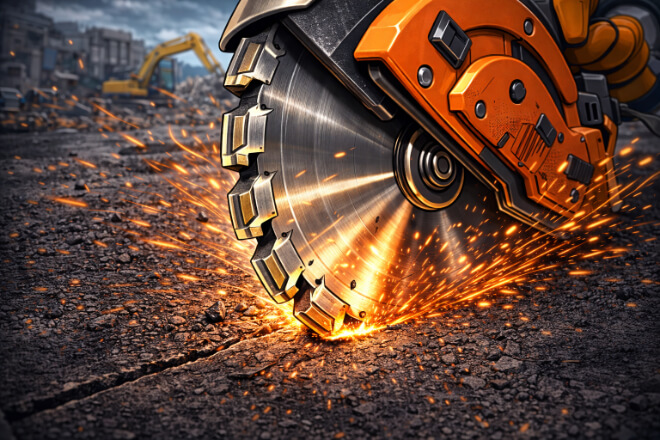
Harsh environments often involve cutting through abrasive materials, such as concrete, asphalt, or tough metals.
In these cases, wear resistance is crucial to ensuring that the cutting tool can withstand the constant friction and maintain its cutting edge.
Factors Influencing Wear Resistance:
Bien Taille des grains:
A finer grain size increases the dureté of the tungsten carbide, improving its ability to resist abrasion and extending tool life in applications where wear is a significant concern.
Hardness vs. Dureté:
High-wear-resistant grades may be harder but less tough, so it’s important to find the right balance for the specific material being cut.
Too much hardness can lead to brittleness, while too much toughness may reduce the material’s wear resistance.
Abrasion Resistance:
Carbide tips with the right grain size and binder content offer superior résistance à l'usure for abrasive environments, ensuring that the cutting edge remains sharp for longer periods.
For tools that face heavy abrasion, such as in the construction industry, selecting carbide tips with high wear resistance ensures that the tools last longer and perform efficiently.
6. Maintenance and Care for Tungsten Carbide Tips in Harsh Environments

Even though tungsten carbide tips are durable and résistant à l'usure, regular maintenance is essential to ensure they perform at their best in harsh environments.
Proper maintenance can help extend the life of the tips and reduce the need for frequent replacements.
Tips for Maintaining Pointes en carbure de tungstène:
Inspections régulières: Check the carbide tips frequently for signs of wear, cracks, or damage. Early detection can prevent further deterioration and improve tool performance.
Lubrification: Use appropriate lubrication during cutting operations to reduce friction and heat buildup, which can lead to premature wear.
Proper Handling: Ensure that carbide-tipped tools are handled properly to prevent chipping or breaking, particularly in environments where tools face heavy impact or abrasive forces.
By following these maintenance practices, you can keep your tungsten carbide tips working efficiently in harsh conditions.
7. Cost Benefits of Choosing the Right Tungsten Carbide Grade
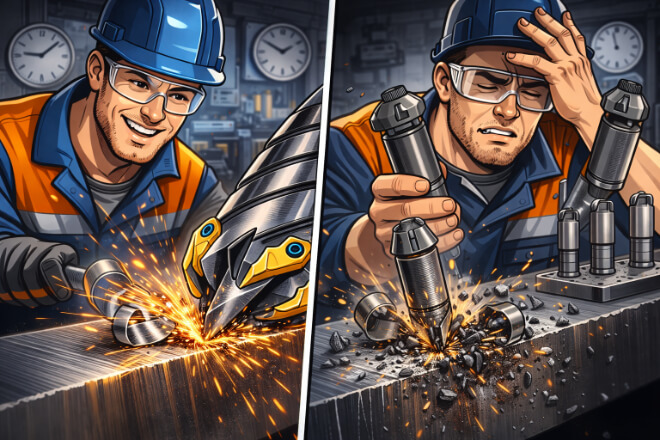
While selecting the right tungsten carbide tip grade for harsh environments may involve higher initial costs, the long-term savings from reduced tool replacements and improved performance can be substantial.
Cost Advantages of the Right Carbide Tip Grade:
Durée de vie de l'outil plus longue: The right grade of tungsten carbide will last longer, reducing the need for frequent replacements and minimizing downtime.
Reduced Operational Costs: High-performance carbide tips reduce maintenance costs, increase cutting efficiency, and improve productivity.
Increased Tool Performance: Properly selected carbide tips provide the best performance for the job, ensuring high-quality results and faster completion times.
Investing in high-quality tungsten carbide tips for harsh environments ensures better value for money by extending tool life and enhancing operational efficiency.
 English
  Español
  简体中文
简体中文  Français
  日本語
日本語  한국어
한국어  العربية
  Tiếng Việt