
1. Material Composition and Density Check
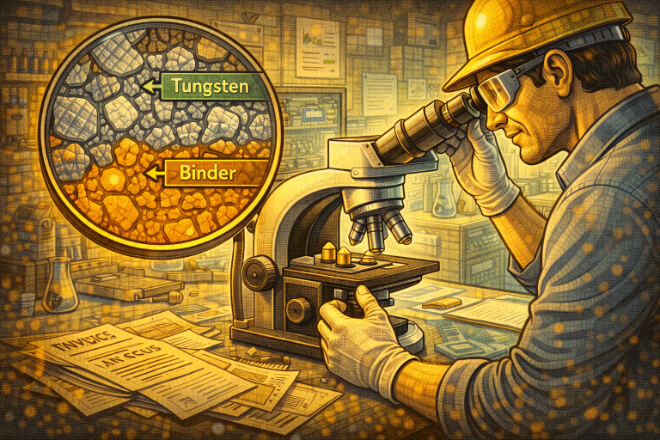
One of the most important aspects of tungsten carbide tips is the material composition.
Tungsten carbide is an alloy made primarily from tungsten and carbon, with cobalt often used as a binder. The correct ratio of these materials ensures the desired dureté, dureté, et wear resistance.
When purchasing tungsten carbide tips, it’s essential to verify the material composition to ensure it aligns with your requirements.
Key Considerations:
Tungsten Content: Higher tungsten content generally results in increased hardness and wear resistance. Make sure the tips meet the required tungsten content for the intended application.
Matériau de liaison: The binder material (commonly cobalt or nickel) plays a role in the toughness of the carbide. Check that the binder material is suitable for the operational conditions of your application.
In addition, density is a key indicator of the quality of the tungsten carbide. A higher densité typically means better wear resistance and durability.
Manufacturers should provide certificates verifying the density of the tips to ensure they meet the specified standards.
2. Hardness Testing

Hardness is one of the most critical properties of tungsten carbide tips. The hardness of the material affects its ability to cut or drill through hard materials without wearing down too quickly.
To ensure the carbide tips will perform well in your operations, it’s important to conduct hardness testing.
Key Considerations:
Vickers Dureté Test: This is a commonly used method to measure the hardness of tungsten carbide. It involves pressing a diamond indenter into the surface of the material and measuring the size of the indentation left behind.
Essai de dureté Rockwell: Another test to consider for harder materials, where the depth of penetration of a steel ball or diamond cone is measured.
Both tests can help verify that the carbide tips meet the necessary hardness specifications for their intended use.
3. Microstructure Examination

The microstructure of tungsten carbide is directly linked to its performance.
The arrangement of carbide grains and the distribution of the binder material can affect the material’s toughness and wear resistance.
Conducting a microstructure examination is essential to assess the quality of tungsten carbide tips.
Key Considerations:
Taille des grains: Finer grains typically result in higher hardness and better wear resistance. A proper grain size can also contribute to better toughness.
Porosité: Excessive porosity in the carbide matrix can weaken the material, making it prone to fractures or early wear. Ensure that the material is dense and has minimal porosity.
Distribution de liants: Uneven binder distribution can affect the dureté et dureté of the tips, potentially leading to early failure. A consistent binder matrix ensures better performance.
Optical or electron microscope analysis should be used to evaluate the microstructure and ensure that it aligns with the specifications needed for your applications.
4. Wear Resistance Testing

Wear resistance is a critical feature of tungsten carbide tips, especially for industries like mining, oil drilling, and machining.
To ensure the tips will last through their expected service life, it’s essential to conduct wear resistance testing.
Key Considerations:
Abrasive Wear Tests:
Tungsten carbide tips should be tested under conditions that mimic the abrasive forces they will face in the field.
Abrasive wear tests involve subjecting the tips to an abrasive surface and measuring the amount of material loss over time.
Thermal Résistance à l'usure:
Some applications, like high-speed machining, generate significant heat.
Ensure that the tips have good thermal wear resistance, preventing them from softening or degrading under high temperatures.
Look for manufacturers who conduct standard wear tests and provide detailed reports on their performance under stress.
5. Impact Toughness Testing

Tungsten carbide is a hard material but can sometimes be brittle, especially when subjected to sudden impacts.
To ensure that the carbide tips can withstand impact forces without cracking or chipping, impact toughness testing is essential.
Key Considerations:
Drop Weight Test:
This test involves dropping a weighted object onto the tungsten carbide tip and measuring the amount of damage sustained. It helps determine the material’s resistance to shock and impact.
Impact Resistance under Varying Temperatures:
Some applications involve significant temperature fluctuations.
Testing the impact toughness of carbide tips at both high and low temperatures ensures that they maintain their integrity in all operating conditions.
By ensuring that the tungsten carbide tips pass impact dureté tests, companies can avoid unexpected breakages and costly downtime.
6. Dimensional Accuracy and Surface Finish

Tungsten carbide tips need to meet specific size and shape requirements to perform correctly in their intended applications.
Dimensional accuracy and surface finish are key factors in ensuring that the tips fit properly and perform as expected.
Key Considerations:
Mesure de précision: Use micrometers or other precision instruments to verify that the dimensions of the tips (length, width, and thickness) meet the required specifications.
Finition de surface: A smooth surface finish minimizes friction and wear. Check the surface for any irregularities, cracks, or defects that could affect performance.
Manufacturers should provide quality reports showing that their tips meet strict dimensional and surface finish standards.
7. Certifications and Traceability

To ensure that the tungsten carbide tips meet industry standards and regulations, it’s essential to check for proper certifications and traceability.
Look for manufacturers who provide product certificates, such as ISO 9001 for quality management or ISO 14001 for environmental management, to ensure the products are made to internationally recognized standards.
Key Considerations:
Material Certificates: Verify the material used for the tungsten carbide tips. The manufacturer should provide certificates that confirm the material composition, density, and other properties.
Test Reports: Ensure that the tips come with detailed test reports showing the results of dureté, résistance à l'usure, and impact tests.
Certifications and traceability help ensure that the tips you’re purchasing meet all regulatory requirements and industry standards.
 English
  Español
  简体中文
简体中文  Français
  日本語
日本語  한국어
한국어  العربية
  Tiếng Việt