
Understanding Tungsten Carbide Tips and Their Benefits

Tungsten carbide is a hard metal made by combining tungsten and carbon.
This material is one of the hardest known substances and is commonly used in cutting, drilling, and machining tools. Tungsten carbide tips are highly valued for their superior properties, including:
Durabilité: Tungsten carbide tips last much longer than other materials, even under intense working conditions.
Résistance à l'usure: They are highly resistant to wear, making them ideal for cutting abrasive materials.
Résistance à la chaleur: Tungsten carbide maintains its dureté even at high temperatures, allowing for consistent performance in heat-intensive processes.
Précision: These tips provide high precision, ensuring better product quality and minimizing waste.
Although they come with a higher upfront cost compared to alternatives like high-speed steel (HSS) or ceramic tips, tungsten carbide tips can provide significant long-term savings through their durability and efficiency.
Initial Cost vs. Long-Term Savings

The primary disadvantage of tungsten carbide tips is their higher initial cost. They can be several times more expensive than HSS or ceramic tips, which might cause businesses to hesitate in choosing them.
However, the long-term savings they provide can offset this higher initial investment.
1). Cost of Tungsten Carbide Tips
The cost of tungsten carbide tips can vary depending on factors like:
Material Quality: Higher tungsten content and special coatings increase the cost.
Size and Customization: Custom-made tips for specific applications may also come at a premium.
2). How Tungsten Carbide Tips Save Money Over Time
Despite their higher price, tungsten carbide tips often provide significant cost savings in the long run due to their longer lifespan.
They reduce the need for frequent tool replacements, thus lowering downtime and maintenance costs.
In addition, their ability to cut through tougher materials more effectively means fewer interruptions in production.
By extending tool life and improving operational efficiency, tungsten carbide tips ultimately reduce the total cost of ownership.
Impact on Manufacturing Efficiency and Productivity
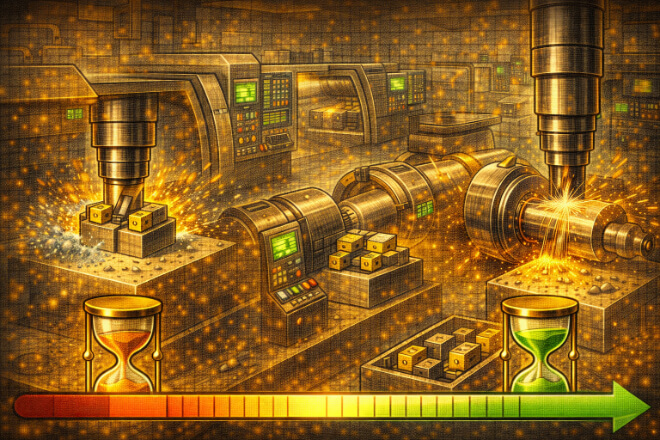
Tungsten carbide tips contribute to manufacturing efficiency in several ways:
Fewer Tool Changes: Due to their durability, tungsten carbide tips need to be replaced less frequently, which leads to less downtime and more continuous production.
Higher Cutting Speed: Tungsten carbide’s dureté allows it to cut materials at higher speeds without sacrificing performance, increasing production rates.
Meilleure finition de surface: Carbide tips maintain sharpness longer, producing smoother cuts and higher-quality finished products.
By improving productivity, reducing tool downtime, and maintaining consistent performance, tungsten carbide tips help manufacturers increase their output and reduce waste.
Reducing Tool Maintenance and Replacement Costs

The cost of replacing and maintaining cutting tools can add up quickly in manufacturing operations.
Tungsten carbide tips, while more expensive upfront, reduce these costs significantly over time.
1). Durée de vie de l'outil plus longue
Tungsten carbide tips last much longer than other materials such as HSS, which means fewer replacements are needed.
In high-volume manufacturing environments, this can save businesses a substantial amount in tool replacement costs.
2). Lower Maintenance Costs
Because tungsten carbide tips wear down less quickly, they require less frequent sharpening and maintenance, further reducing operational costs.
In addition, with fewer replacements and repairs needed, businesses can reduce labor costs associated with tool maintenance.
3). Cost of Reconditioning
Another cost-saving measure is reconditioning. Tungsten carbide tips can often be reconditioned, restoring them to near-new condition, which extends their useful life and reduces the need for full replacements.
Considerations When Choosing Tungsten Carbide Tips

While the economics of tungsten carbide tips are generally favorable, it’s important for businesses to consider their specific needs before making a purchase. Here are some factors to keep in mind:
Type d'application: If your manufacturing processes involve cutting tough or abrasive materials, tungsten carbide tips will provide the best performance.
Production Volume: High-volume operations benefit most from the long-lasting durability of tungsten carbide tips, as they reduce downtime and tool replacements.
Upfront Budget: While tungsten carbide tips may require a larger initial investment, they can provide significant returns over time, so it’s important to factor in the long-term savings when budgeting.
By carefully evaluating these factors, businesses can ensure they are making the most cost-effective choice when selecting carbide tools.
Total Cost of Ownership (TCO) for Tungsten Carbide Tips

The Total Cost of Ownership (TCO) is a key metric for evaluating the true cost-effectiveness of any tool. When considering the TCO for tungsten carbide tips, it’s important to account for:
Coût initial: The upfront purchase price.
Replacement and Maintenance Costs: The cost of replacing and maintaining the tips over time.
Operational Efficiency: How much time and money are saved due to increased productivity and fewer tool changes.
When evaluating TCO, tungsten carbide tips tend to offer a lower total cost over their lifespan due to their superior durability, which reduces replacement and maintenance costs.
 English
  Español
  简体中文
简体中文  Français
  日本語
日本語  한국어
한국어  العربية
  Tiếng Việt