
What Total Cost of Ownership Really Means
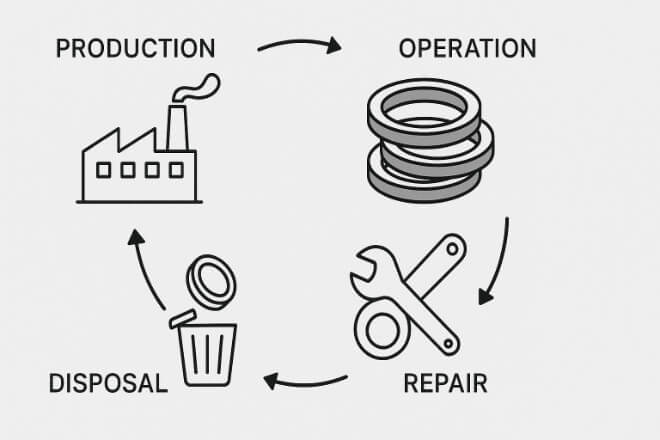
The total cost of ownership (TCO) includes all expenses related to the purchase, operation, maintenance, and replacement of a product during its lifetime.
Pour carbide seal rings, this means more than the unit price. It covers:
Manufacturing and customization
Installation and removal
Maintenance and repair
Downtime costs during replacement
Disposal or recycling at the end of life
By understanding these cost factors, managers can make smarter purchasing and maintenance decisions that support both performance and budget goals.
The Hidden Costs of Seal Ring Failures
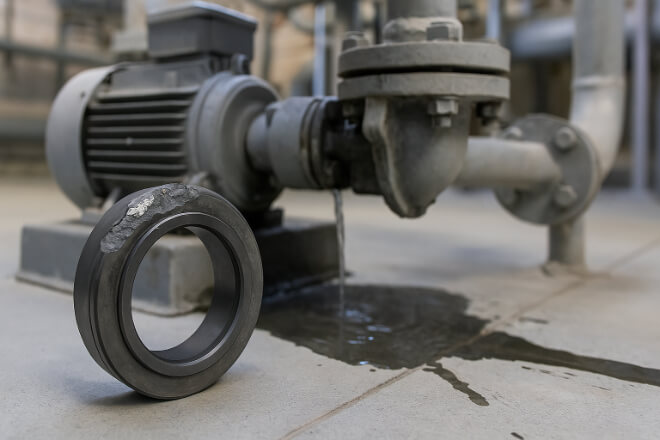
Even a small seal ring failure can lead to major operational problems. Leakage, vibration, and overheating often cause expensive downtime.
For example, in a pump or compressor, a worn carbide seal ring can stop the entire system until a new one is installed.
Many companies underestimate these hidden costs, which include:
Unplanned shutdowns
Labor and replacement expenses
Energy losses from inefficient sealing
Increased risk of secondary component damage
Investing in high-quality tungsten carbide seal rings with proper grade selection and precision finishing can greatly reduce these hidden costs over time.
The Role of Repairability in Reducing TCO
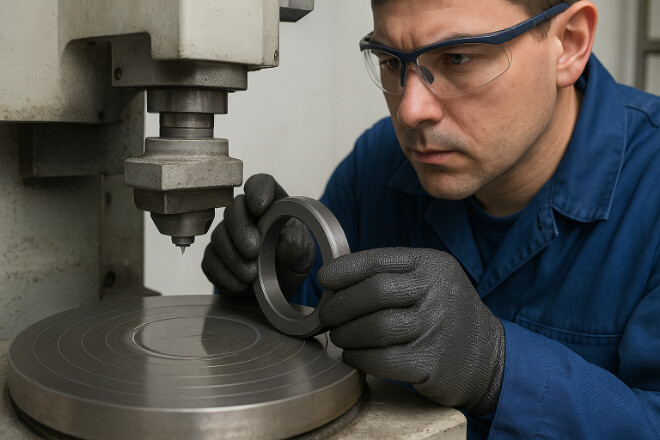
Repairability is one of the most important but often overlooked factors in reducing ownership costs.
Beaucoup carbide seal rings can be re-lapped, re-ground, or refurbished, returning them to like-new condition.
Key Benefits of Repairing Seal Rings:
40–70% cheaper than complete replacement
Shorter lead time compared to new production
Reduced waste and environmental impact
Consistent dimensional control after regrinding
When working with a trusted carbide component supplier, repair and inspection programs can become part of your lifecycle management strategy, significantly lowering total cost.
Planning a Lifecycle Strategy for Seal Rings
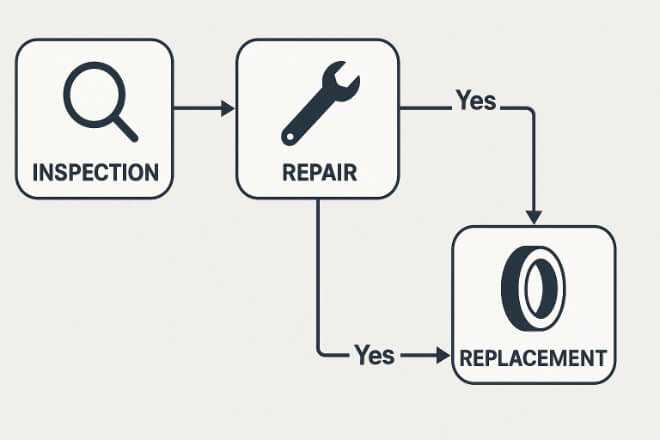
A lifecycle strategy ensures your equipment continues to perform with minimal unplanned downtime. It should include the following steps:
Baseline Evaluation – Inspect existing carbide seal rings for wear and record failure modes.
Predictive Maintenance – Use operation data (vibration, temperature, pressure) to predict wear before failure.
Repair vs Replace Decision – Create a clear rule for when rings should be re-lapped or replaced.
Supplier Partnership – Work with your manufacturer for ongoing inspection and material upgrades.
Lifecycle Cost Tracking – Keep data on total service time, repair frequency, and cost per hour of operation.
A well-structured lifecycle plan not only controls cost but also improves reliability and sustainability.
Extending Service Life Through Proper Handling
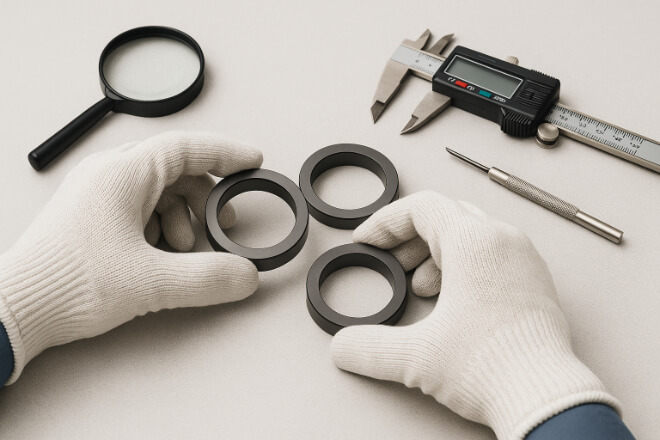
Even the best carbide seal rings can fail early if handled or installed incorrectly. To maximize service life:
Avoid dropping or impacting the rings during assembly.
Clean sealing faces thoroughly before installation.
Use correct torque and alignment when mounting.
Maintain clean lubrication to reduce friction.
Small actions in handling can greatly reduce wear and protect your investment.
Partnering with the Right Supplier

Choosing a reliable tungsten carbide seal ring manufacturer is part of controlling total cost. A strong supplier should provide:
Technical advice on grade selection and finish
In-house repair and re-lapping services
Fast turnaround for urgent replacements
Long-term cost and performance tracking
A supplier that understands your industry can help design a custom lifecycle plan, ensuring consistent performance and reduced ownership cost.
 English
  Español
  简体中文
简体中文  Français
  日本語
日本語  한국어
한국어  العربية
  Tiếng Việt