
Challenges in Cryogenic LNG Transfer Pump Applications
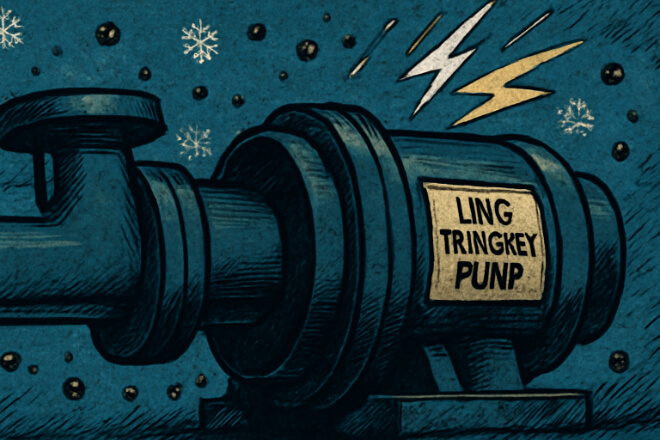
Cryogenic LNG transfer pumps operate in harsh environments, with temperatures reaching as low as -162°C (-260°F). These extreme conditions pose several challenges for pump components:
1). Low Temperature Wear
Traditional materials may experience brittleness at cryogenic temperatures, leading to increased wear and potential failure.
Tungsten carbide, however, retains its hardness and strength at low temperatures, reducing wear and ensuring reliable performance.
2). Thermal Expansion
As temperatures fluctuate, materials expand and contract. Tungsten carbide’s low thermal expansion rate makes it a reliable material for applications in cryogenic environments, where the risk of dimensional changes and misalignments is high.
3). Abrasive Wear
LNG can contain abrasive particles that wear down components over time. Tungsten carbide’s exceptional dureté allows it to withstand abrasive wear, maintaining the integrity of the bushings and preventing premature failure.
Why Tungsten Carbide Bushings Are Ideal for Cryogenic LNG Transfer Pumps
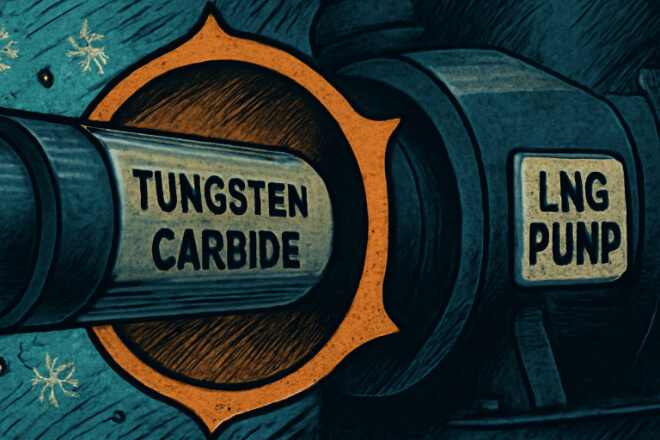
Tungsten carbide bushings provide numerous advantages in cryogenic LNG transfer pump applications. Here are the key reasons why they are the material of choice:
1). Exceptional Résistance à l'usure
Tungsten carbide bushings offer outstanding wear resistance, particularly in environments with abrasive particles.
This reduces the need for frequent replacements, lowering maintenance costs and increasing the pump’s lifespan.
2). High Strength at Low Temperatures
Unlike many materials that become brittle at low temperatures, tungsten carbide maintains its strength and dureté even in cryogenic conditions, ensuring that the bushings continue to function reliably.
3). Resistance to Thermal Expansion
Tungsten carbide has a low coefficient of thermal expansion, which means it experiences minimal expansion or contraction in response to temperature changes.
This makes tungsten carbide bushings less likely to deform or lose their fit, maintaining efficient pump operation.
Tungsten carbide exhibits excellent resistance to corrosion, which is important when handling LNG that may contain trace amounts of corrosive substances. This further increases the reliability of the bushings in cryogenic environments.
The Role of Tungsten Carbide Bushings in Enhancing Pump Performance
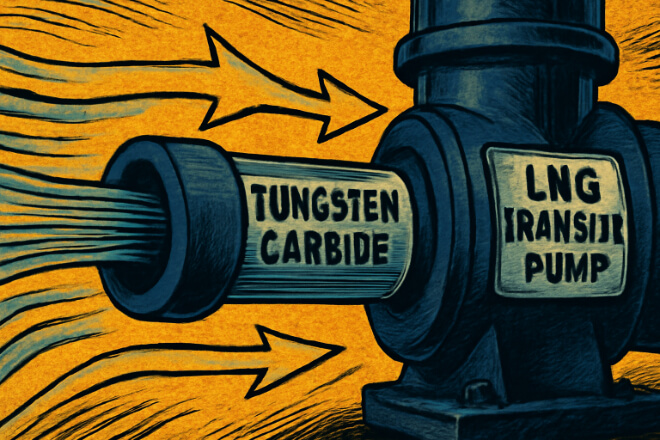
Tungsten carbide bushings contribute significantly to the performance of cryogenic LNG transfer pumps in the following ways:
1). Improved Pump Efficiency
By reducing wear and maintaining dimensional stability at low temperatures, tungsten carbide bushings help improve the overall efficiency of the pump.
This ensures that the pump operates at optimal performance levels with minimal friction and energy loss.
2). Longer Service Life
The durability of tungsten carbide ensures that bushings last longer than those made from conventional materials.
This reduces the frequency of maintenance, repairs, and replacements, allowing the LNG transfer pumps to run continuously for longer periods.
3). Reduced Maintenance Costs
Because tungsten carbide bushings are highly durable and resistant to wear and corrosion, the need for frequent maintenance is minimized.
This results in reduced downtime and maintenance costs, making it a cost-effective solution for LNG transfer operations.
Selecting the Right Tungsten Carbide Bushings for LNG Pumps
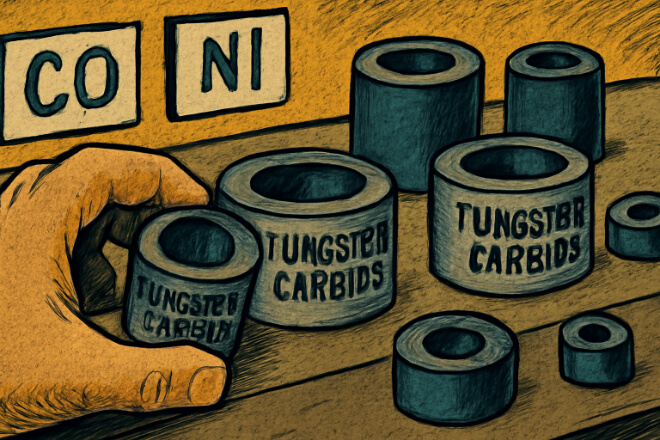
When selecting bagues en carbure de tungstène for cryogenic LNG transfer pumps, consider the following factors:
1). Material Composition
Tungsten carbide bushings can be made with different binder materials, such as cobalt (WC-Co) or nickel (WC-Ni).
The choice of binder material will depend on the specific operational requirements, such as the level of dureté et résistance à la corrosion needed.
2). Size and Tolerance
Ensure that the bushings meet the specific size and tolerance requirements of the LNG transfer pump. Proper fit is critical to preventing misalignment and ensuring smooth operation.
3). Performance Requirements
Consider the operating conditions, including temperature, pressure, and the presence of abrasive particles in the LNG. Choose tungsten carbide bushings that are designed to perform well in these conditions.
 English
  Español
  简体中文
简体中文  Français
  日本語
日本語  한국어
한국어  العربية
  Tiếng Việt