
1. What Is Tribology in Cutting Tool Design?

Tribology focuses on how two surfaces behave when they slide or press against each other.
In cutting operations, this interaction happens between the cutting tool and the workpiece.
In cutting tool design, tribology mainly includes:
Friction between the tool and the material
Wear of the cutting edge
Heat generation at the contact zone
Poor tribological behavior leads to fast tool wear, unstable cutting, and poor surface finish. Good tribological behavior helps tools last longer and cut more efficiently.
Tungsten carbide tips are widely used because their tribological properties are well suited for demanding cutting conditions.
2. Why Tribology Matters for Tungsten Carbide Tips
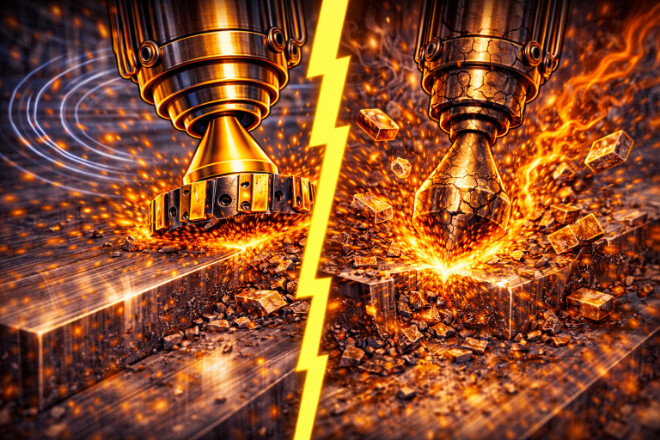
Tungsten carbide tips operate under extreme conditions.
High pressure, high speed, and high temperature all exist at the cutting edge. Tribology determines how well the tip survives these conditions.
Good tribological performance means:
Lower friction during cutting
Slower wear of the cutting edge
More stable cutting forces
For decision-makers, understanding tribology helps explain why some carbide tools last longer and perform better than others, even when made from similar materials.
3. Friction Behavior of Tungsten Carbide Tips

Friction is one of the most important tribological factors. High friction increases cutting force and heat, while low friction allows smoother cutting.
Tungsten carbide tips show controlled friction behavior because:
Their surface is hard and stable
They resist material adhesion
They maintain edge geometry under load
Lower friction helps:
Reduce power consumption
Improve cutting speed
Minimize heat buildup
In milling, drilling, and turning, controlled friction allows higher cutting parameters without damaging the tool.
4. Wear Mechanisms Affecting Tungsten Carbide Tips
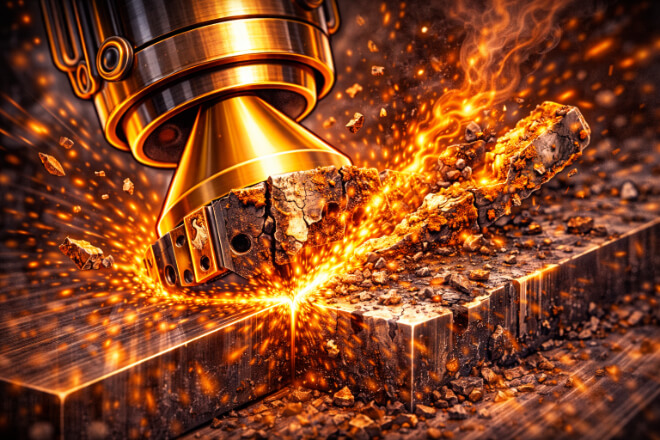
Wear is the gradual loss of material from the cutting edge. Tribology helps explain why and how this wear happens.
Common wear types include:
Abrasive wear from hard particles in the workpiece
Adhesive wear when material sticks to the tool
Thermal wear caused by high temperatures
Tungsten carbide tips resist wear because:
High hardness slows abrasive wear
Stable microstructure reduces adhesive wear
Heat resistance limits thermal damage
Good tribological design focuses on balancing hardness and toughness to control these wear mechanisms.
5. Heat Generation and Tribological Stability

Heat is unavoidable in cutting operations. Tribology directly influences how heat is generated and managed at the cutting edge.
Tungsten carbide tips perform well because:
They keep dureté at high temperature
Their surface reduces frictional heat
Heat is distributed more evenly
Stable tribological behavior helps prevent:
Edge softening
Rapid wear
Thermal cracking
This is especially important in high-speed machining and continuous cutting processes.
6. Role of Surface Finish and Microstructure

Surface finish plays a big role in tribology. A smoother surface usually means lower friction and more stable cutting.
In tungsten carbide tips:
Fine grain structures improve résistance à l'usure
Uniform binder distribution improves dureté
Polished surfaces reduce friction
A well-designed carbide tip surface:
Reduces tool–workpiece contact stress
Improves chip flow
Enhances overall cutting stability
Tribology is not only about material choice but also about surface engineering.
7. Tribology in Different Cutting Applications
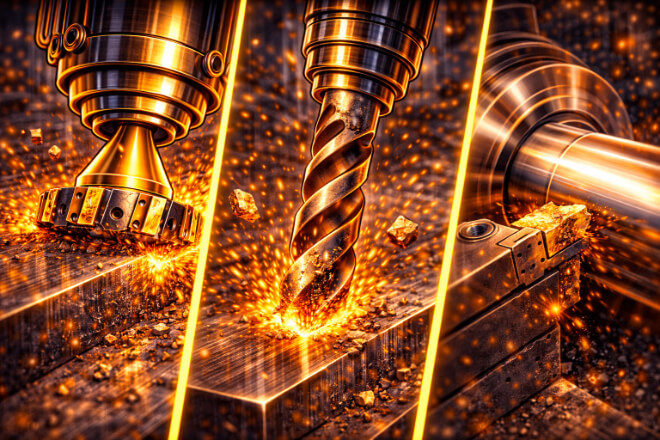
Tribological demands change depending on the cutting process.
Examples:
Milling: Repeated contact and vibration require strong résistance à l'usure
Forage: High pressure and heat demand low friction and thermal stability
Turning: Continuous contact needs stable friction and slow edge wear
Tungsten carbide tips adapt well to all these conditions because their tribological behavior remains stable across different cutting modes.
8. Tribology and Tool Life Improvement
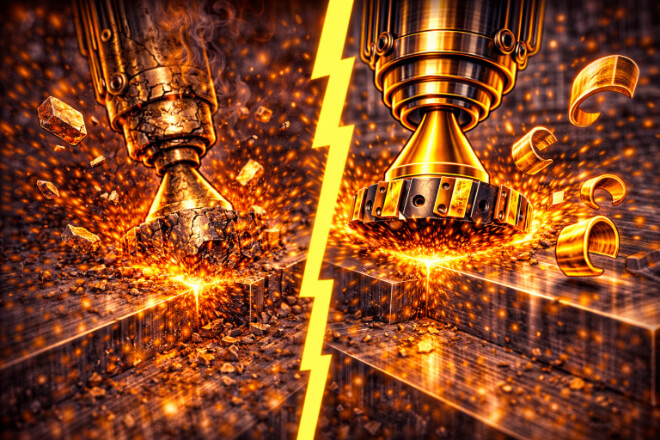
Tool life is directly linked to tribology. Better friction control and résistance à l'usure mean longer usable cutting time.
Tribological advantages of tungsten carbide tips include:
Slower edge degradation
Reduced need for tool changes
Consistent cutting performance
Longer tool life improves:
Temps de disponibilité des machines
Production planning
Rentabilité
This makes tribology a key factor in cutting tool investment decisions.
10. Cost and Design Benefits from Better Tribology

Better tribology does not only improve performance. It also improves economics.
Key cost-related benefits include:
Lower tool replacement rates
Temps d'arrêt réduits
Higher cutting efficiency
For decision-makers, investing in tungsten carbide tips with good tribological design leads to lower total cost of ownership and more predictable production results.
 English
  Español
  简体中文
简体中文  Français
  日本語
日本語  한국어
한국어  العربية
  Tiếng Việt