
Tungsten Carbide Composite Bushings for Extreme Conditions

Tungsten carbide is a well-known material for its exceptional hardness and wear resistance, making it a top choice for manufacturing bushings. However, when operating under extreme conditions—such as high temperatures, heavy loads, or corrosive environments—tungsten carbide composite bushings offer enhanced properties that make them suitable for even the harshest industrial applications. This article explores the advantages of tungsten carbide composite bushings, their performance in extreme conditions, and why they are the material of choice for industries like mining, oil and gas, aerospace, and heavy machinery. What Are Tungsten Carbide Composite Bushings? Tungsten carbide composite bushings are made by combining tungsten carbide (WC) particles with a binder material, such as cobalt […]
Grain Size Optimization in Tungsten Carbide Bushing Production

Tungsten carbide bushings are crucial components used in a wide variety of industrial applications due to their exceptional hardness, wear resistance, and durability. However, the properties of tungsten carbide, especially its hardness and wear resistance, are significantly influenced by the grain size of the tungsten carbide particles. Optimizing grain size during production is essential for improving the performance and lifespan of tungsten carbide bushings. This article will explore how grain size optimization affects the performance of tungsten carbide bushings, the process of achieving optimal grain size, and why it is a key factor in ensuring high-quality bushing production. Understanding the Role of Grain Size in Tungsten Carbide Tungsten carbide is […]
Comparing WC-Co and WC-Ni Bushings in Corrosive Environments
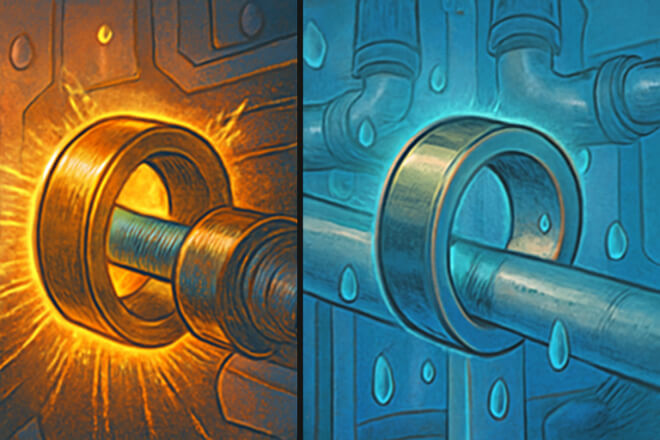
Tungsten carbide (WC) bushings are widely used for their exceptional hardness, wear resistance, and durability. However, in corrosive environments, the binder material used to bond the tungsten carbide grains—cobalt (Co) or nickel (Ni)—plays a crucial role in determining the performance and longevity of the bushing. This article will compare WC-Co and WC-Ni bushings in corrosive conditions, helping industrial decision-makers understand the strengths and weaknesses of each material in specific environments. Understanding WC-Co and WC-Ni Bushings Tungsten carbide bushings are composites of tungsten carbide particles bonded by a metal binder. The two most common binders are cobalt and nickel. These binders serve to hold the carbide grains together and provide some […]
Advances in Binderless Tungsten Carbide for Bushings
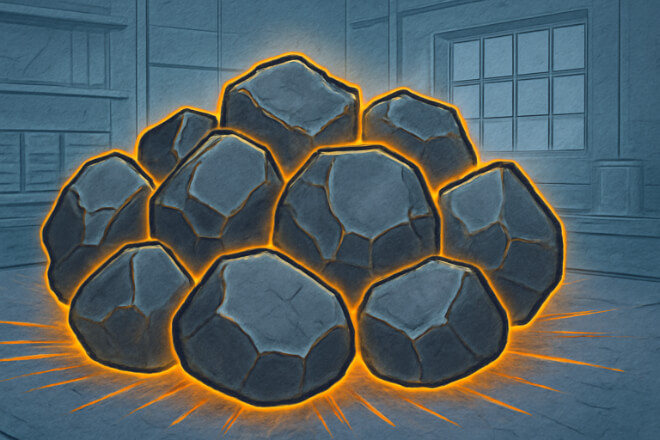
Tungsten carbide is known for its superior hardness, wear resistance, and durability, making it a popular material for bushings in a variety of industrial applications. Traditionally, tungsten carbide is combined with metal binders such as cobalt or nickel to improve toughness and machinability. However, recent advancements in binderless tungsten carbide technology have made it possible to create bushings without these binders, resulting in a material that offers even greater performance in certain applications. This article explores the advantages of binderless tungsten carbide for bushings, the technological advances that have made this possible, and when to choose binderless tungsten carbide over traditional tungsten carbide bushings. What is Binderless Tungsten Carbide? Binderless […]
When to Use Silicon Carbide Instead of Tungsten Carbide Bushings
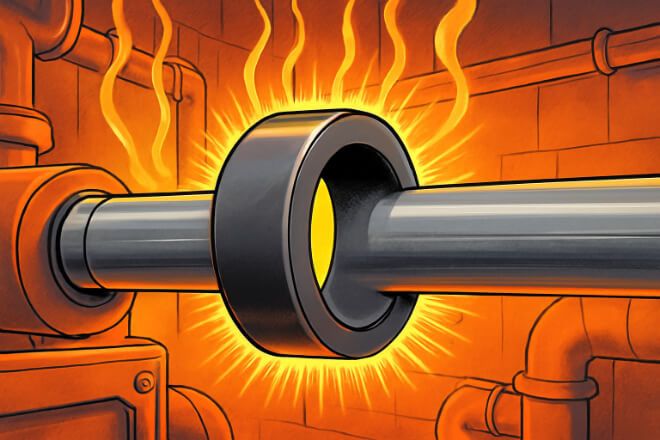
Tungsten carbide bushings are known for their excellent wear resistance, hardness, and durability, making them a popular choice for a wide range of industrial applications. However, in certain environments, silicon carbide (SiC) bushings may offer better performance, especially in situations that involve extreme temperatures, abrasive conditions, or aggressive chemical exposure. This article will explore the factors to consider when choosing between tungsten carbide and silicon carbide bushings and help you determine the right material for your application. Key Differences Between Silicon Carbide and Tungsten Carbide Bushings Before we dive into when to use each material, it’s important to understand the key differences between silicon carbide (SiC) and tungsten carbide (WC). […]
 English
  Español
  简体中文
简体中文  Français
  日本語
日本語  한국어
한국어  العربية
  Tiếng Việt