
Tungsten Carbide Bushings for Pulp and Paper Process Pumps
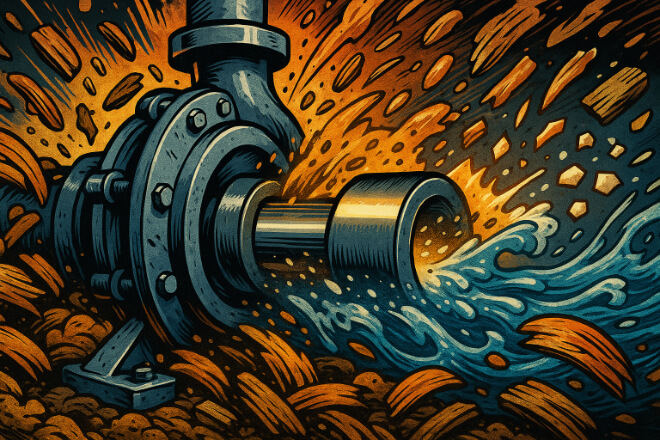
Pulp and paper plants rely on process pumps to move fiber slurry, chemicals, and treated water through different stages of production. These pumps operate under tough conditions, with high solids, chemicals, and continuous wear. To improve pump reliability and reduce downtime, many mills are now switching to tungsten carbide bushings. These bushings provide long service life, strong wear resistance, and better stability under abrasive and corrosive process conditions. Challenges in Pulp and Paper Pumping Systems Pulp and paper processes involve a complex mix of fibers, chemicals, and water. This mixture creates severe wear and corrosion inside pumps. Key challenges include: High abrasiveness from wood fibers, sand, and fillers Chemical attack […]
Using Tungsten Carbide Bushings in Geothermal Brine Pumps
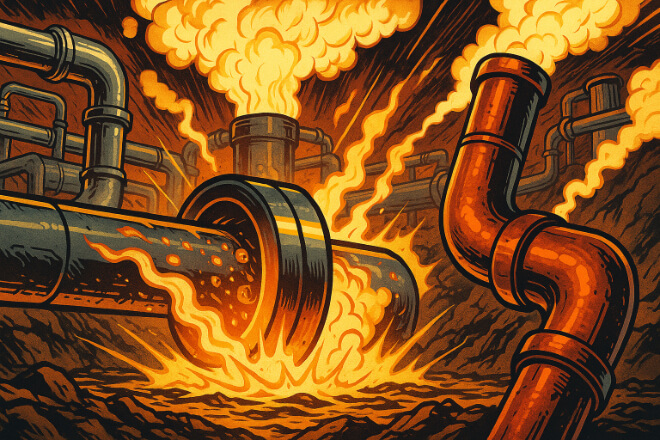
Geothermal brine pumps operate in extremely harsh underground environments where heat, minerals, and corrosion combine to create rapid wear. To keep these pumps running safely and reliably, many engineers and OEMs now specify tungsten carbide bushings. This article explains why tungsten carbide is suitable for geothermal brine service, which grades to choose, what failure risks exist, and how plant decision-makers can extend pump life through proper material selection. Why Geothermal Brine Creates Severe Wear Conditions Geothermal brine is very different from clean water. It contains: Dissolved minerals Silica and sand Hot pressurized steam Carbon dioxide and hydrogen sulfide Chlorides and sulfates Scaling compounds These elements combine to create an environment […]
Tungsten Carbide Bushings for Desalination and Seawater Intake Pumps
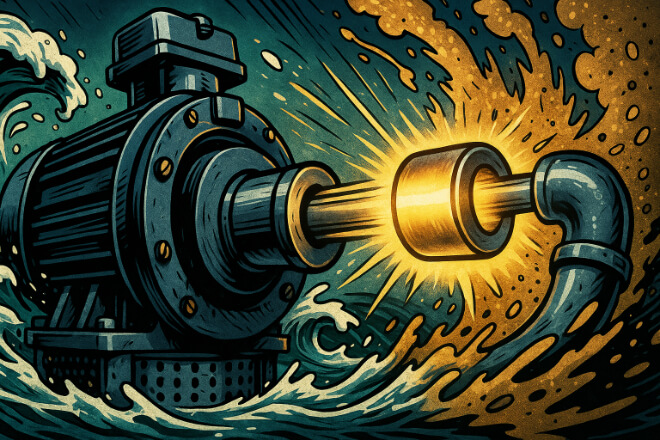
Desalination plants and seawater intake stations operate in some of the toughest environments in the world. Pumps in these systems must handle constant exposure to seawater, sand, silt, and corrosive ions. To keep these pumps running reliably, many engineers choose tungsten carbide bushings. This article explains why tungsten carbide is widely used in desalination, what grades work best, how it handles seawater corrosion, and what OEMs and plant operators should look for when selecting bushings. Why Seawater Pumps Need High-Performance Bushings Desalination systems and seawater intake lines run at high load, high flow, and long operating hours. Pump bushings must survive: Continuous saltwater exposure Sand and silt abrasion High rotational […]
Why Chemical Plants Specify Tungsten Carbide Bushings for Corrosive Media

Chemical plants operate in environments where pumps, mixers, compressors, and rotating equipment must handle highly corrosive fluids. These conditions require components that can survive both chemical attack and mechanical wear. For this reason, many chemical plants choose tungsten carbide bushings as their first option for shaft support and protection. This article explains why tungsten carbide performs so well, which grades are best, and what decision-makers should look for when selecting bushings for corrosive media. Why Corrosive Media Require Special Bushing Materials Chemical processing involves acids, alkalis, solvents, chlorides, and aggressive mixtures that can destroy standard metallic bushings. Bronze, steel, and even stainless steel can corrode quickly when exposed to these […]
Tungsten Carbide Bushings in Dredging and Slurry Handling Systems
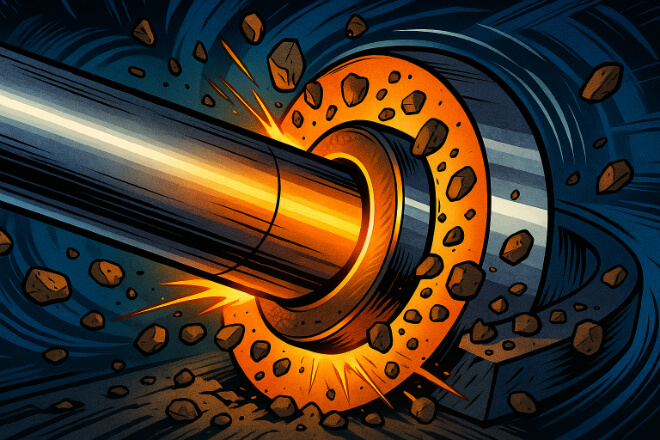
Dredging and slurry handling systems work in extremely harsh environments where sand, gravel, mud, and abrasive minerals constantly attack equipment. Pump shafts and rotating parts face rapid wear if they are not protected by strong, durable components. Tungsten carbide bushings are one of the most effective solutions for extending equipment life in dredging and slurry applications. This article explains why they perform so well, which grades are best, and how decision-makers can select the right bushing for long-term reliability. Why Tungsten Carbide Bushings Are Essential in Dredging and Slurry Equipment Dredging pumps, slurry pumps, and underwater cutters often work around the clock. Abrasive solids suspended in water create continuous wear […]
 English
  Español
  简体中文
简体中文  Français
  日本語
日本語  한국어
한국어  العربية
  Tiếng Việt