
Specifying Concentricity and Perpendicularity in Tungsten Carbide Bushing Drawings

Tungsten carbide bushings are known for their excellent durability and wear resistance. However, their performance largely depends on how well they are aligned within the housing, which is determined by two key factors: concentricity and perpendicularity. This article explores the importance of specifying these two factors in tungsten carbide bushing drawings and how they affect the bushing’s performance in industrial applications. What Is Concentricity? Concentricity refers to the alignment of two or more circular features, such as the bore of the bushing and the outer surface. It ensures that the center of the hole is perfectly aligned with the center of the outer surface, which is crucial for proper fitting […]
Thermal Expansion Mismatch: Housing Design for Tungsten Carbide Bushings
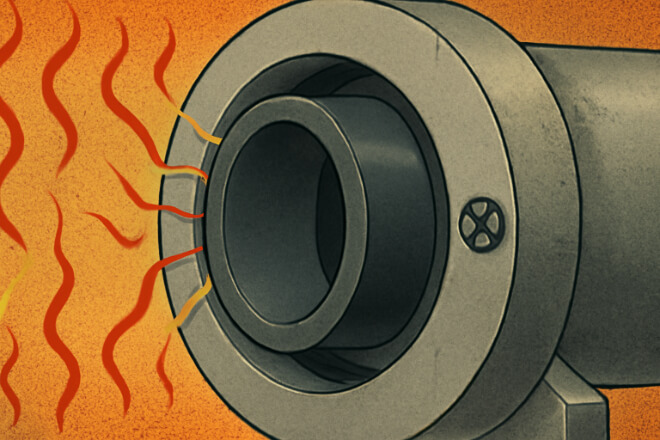
Tungsten carbide bushings are known for their wear resistance, but thermal expansion mismatch with the housing can affect their performance. Tungsten carbide has a low coefficient of thermal expansion (CTE), while materials like steel or aluminum expand more with temperature changes. This mismatch can lead to issues such as excessive wear or mechanical failure. This article will discuss how thermal expansion mismatch affects tungsten carbide bushings and how to design housings that minimize these issues. Understanding Thermal Expansion Mismatch Thermal expansion mismatch occurs when two materials expand at different rates when exposed to temperature changes. Every material has a specific coefficient of thermal expansion (CTE), which defines how much it […]
Recommended Surface Roughness for Tungsten Carbide Bushing Bores
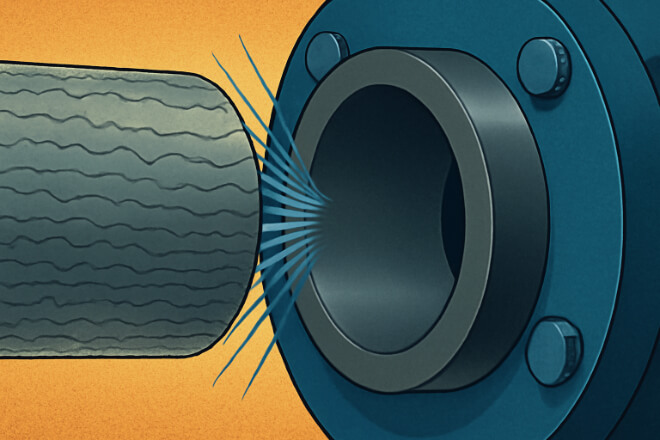
Tungsten carbide bushings are known for their durability and wear resistance, making them essential for high-performance applications. One key factor that affects their performance is the surface roughness of the bushing bores. Proper surface roughness ensures reduced friction, better lubrication, and longer service life. This article will discuss the importance of surface roughness for tungsten carbide bushings, the recommended roughness values, and how to achieve the best surface finish for optimal performance. What is Surface Roughness? Surface roughness refers to the microscopic variations in the surface texture of a material. It is measured in terms of Ra (average roughness), which quantifies the average deviation of the surface from a nominal […]
Clearance Fit Charts for Tungsten Carbide Bushings and Pump Shafts
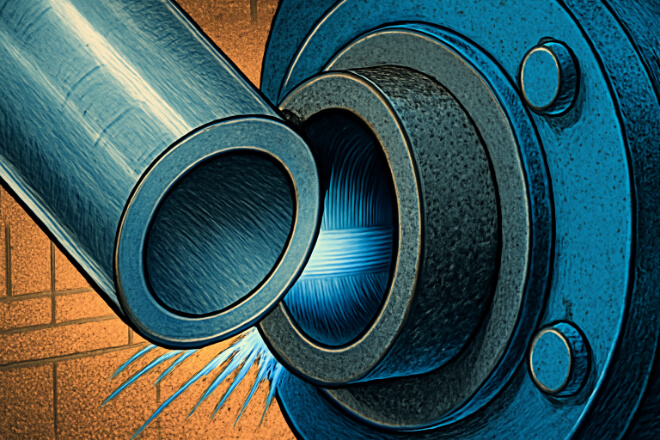
In mechanical systems, tungsten carbide bushings and pump shafts work together to ensure smooth, efficient performance. One critical factor in their compatibility is the clearance fit, which refers to the space or gap between the bushing and shaft. A proper clearance fit ensures that there is neither excessive friction nor too much movement, both of which can lead to premature wear or failure. This blog will explore the importance of clearance fit in tungsten carbide bushings and pump shafts, why it matters, and how to use clearance fit charts to ensure the best performance for your equipment. What Is Clearance Fit? Clearance fit refers to the relationship between two mating […]
Density, Toughness, and Impact Resistance: What Sets WC Bushings Apart?

Tungsten carbide (WC) bushings are known for their exceptional hardness and wear resistance, making them ideal for heavy-duty applications. However, what truly sets WC bushings apart is their density, toughness, and impact resistance. These three key properties make WC bushings suitable for demanding environments where wear, shock, and pressure are constant challenges. This article explores why these characteristics make WC bushings stand out and how they contribute to the overall performance of industrial systems. What Are WC Bushings? WC bushings are made from tungsten carbide, a material known for its superior hardness and wear resistance. Tungsten carbide is formed by combining tungsten (a heavy, dense metal) with carbon, creating a […]
 English
  Español
  简体中文
简体中文  Français
  日本語
日本語  한국어
한국어  العربية
  Tiếng Việt