
研磨粒子サイズとブッシング寿命:実用的な閾値
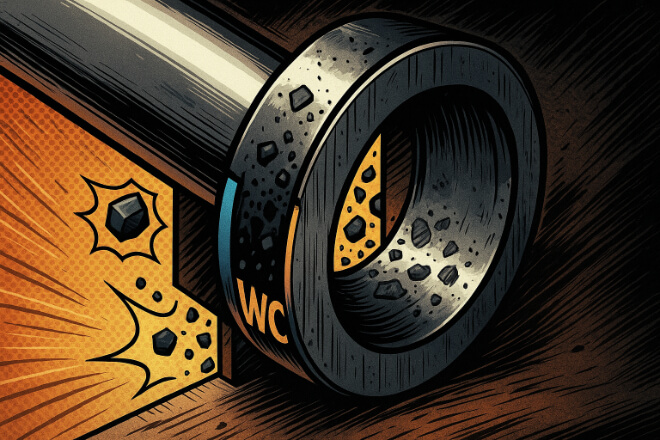
Tungsten carbide bushings are widely used in pumps, compressors, and slurry systems because they resist wear better than most materials. But even tungsten carbide has limits when abrasive particles are present in the fluid. The size, hardness, and concentration of these particles have a major impact on bushing lifespan. This article explains how abrasive particle size affects wear, what thresholds decision-makers should watch, and how to reduce damage in real applications. Why Abrasive Particle Size Matters for Tungsten Carbide Bushings Abrasive wear happens when hard particles slide between the shaft and the bushing surface. Tungsten carbide is extremely hard, but once particles become large enough, they act like cutting tools. […]
Reading Wear Patterns on Tungsten Carbide Bushings: What They Tell You
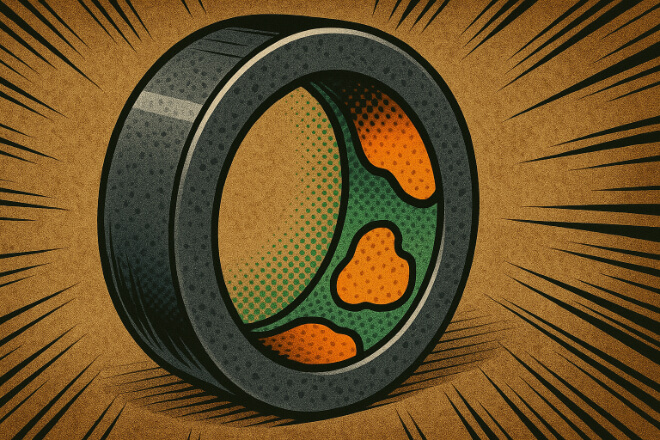
Tungsten carbide bushings are used in pumps, compressors, mixers, and many rotating systems because they resist wear and last long under heavy load. But when a bushing begins to fail, the wear pattern on its surface tells a story. By reading these patterns, engineers can identify the real cause of failure and prevent the same problem from happening again. This article explains the most common wear patterns on tungsten carbide bushings and what each one tells you about the machine’s operating condition. Why Wear Patterns Matter in Tungsten Carbide Bushings Wear marks are more than surface damage—they are signs of deeper mechanical issues. WC bushings are extremely hard, so they […]
Detecting Misalignment vs Poor Clearance in WC Bushing Failures
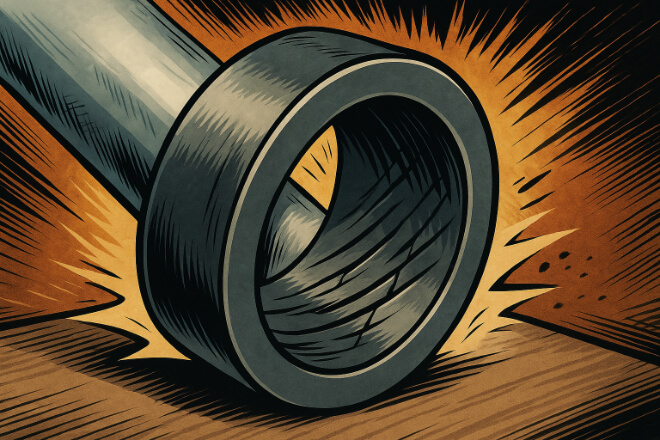
Tungsten carbide (WC) bushings are used in pumps, compressors, and industrial machines because they resist wear and work well under heavy load. But they can still fail early when misalignment or poor clearance is present. These two problems look similar, but their causes and solutions are very different. This guide explains how to tell misalignment failures from poor-clearance failures and how to prevent both. Why Misalignment and Clearance Are Critical for WC Bushings Misalignment and improper clearance create uneven forces on the bushing. Tungsten carbide is hard but brittle, so concentrated loads can cause cracks, scoring, or out-of-round wear. Understanding these two failure modes helps operators diagnose problems quickly. How […]
Why Tungsten Carbide Bushings Crack: Root Causes and Fixes

Tungsten carbide bushings are known for their high hardness and long life. But they can still crack when the working conditions or installation steps are not correct. Cracks reduce performance and may cause pump or machine failure. This guide explains the main reasons why these bushings crack and what you can do to avoid these problems. Understanding Why Cracks Happen in Tungsten Carbide Tungsten carbide is very hard, but also brittle. This means it can resist wear but cannot absorb strong impact or heavy stress. When a bushing faces force it was not designed for, cracks can form, especially near edges or thin walls. Key Characteristics That Influence Cracking Material […]
Storage and Packaging Best Practices for Tungsten Carbide Bushings
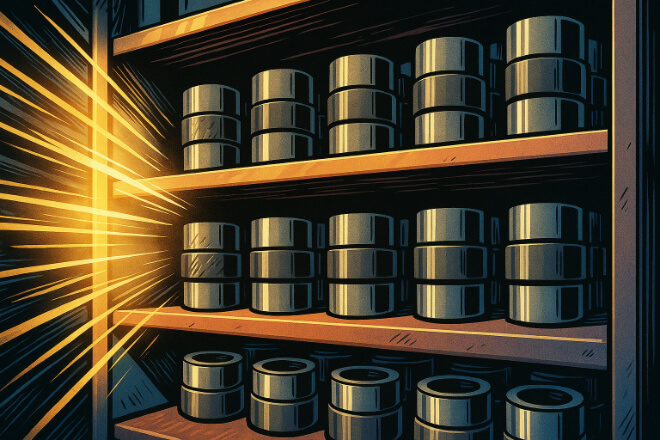
Tungsten carbide bushings are strong and wear-resistant, but they still need proper storage and packaging to stay in good condition. Poor handling can lead to corrosion, cracks, or size changes that affect pump or machine performance. This guide explains simple and reliable best practices for keeping your bushings safe before use. Why Proper Storage Matters for Tungsten Carbide Bushings Even though tungsten carbide is extremely hard, it can still be damaged if stored or handled the wrong way. Humidity, dust, impacts, and temperature changes can all affect the material. Bushings used in pumps, compressors, or industrial equipment must stay dimensionally stable, clean, and free from micro-cracks. Good storage reduces loss, […]
 English
  Español
  简体中文
简体中文  Français
  日本語
日本語  한국어
한국어  العربية
  Tiếng Việt