OEM Replacement Guide: Cross-Referencing Tungsten Carbide Bushing Part Numbers

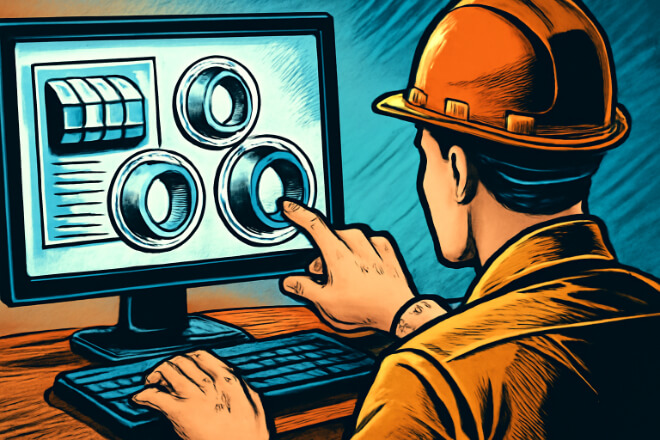
Tungsten carbide bushings are critical components in many industrial applications, known for their exceptional hardness and wear resistance. When it’s time for a replacement, ensuring the correct part number is selected is crucial to maintain performance and avoid costly downtime. Cross-referencing tungsten carbide bushing part numbers can be a challenging task, especially with multiple manufacturers and suppliers involved. This guide provides an easy approach to cross-referencing part numbers for OEM replacements, ensuring you find the right part for your needs. Why Cross-Referencing Part Numbers Is Important Cross-referencing part numbers is essential for several reasons: Compatibility: Ensuring that the replacement bushing matches the specifications of the original part prevents issues like […]
Field Checklist: Noise and Vibration Issues Affecting WC Bushings

Tungsten carbide (WC) bushings are essential components in machinery that require high strength and wear resistance. However, they are not immune to performance issues, particularly when noise and vibration arise. These problems can lead to early wear, reduced efficiency, and potential failure of the machinery. Identifying the root causes of noise and vibration is critical for the maintenance of WC bushings. This field checklist will help you troubleshoot common issues related to noise and vibration affecting WC bushings, offering solutions to improve performance and extend service life. Understanding the Impact of Noise and Vibration on WC Bushings Noise and vibration are not just indicators of machinery malfunction; they also directly […]
Counterface Damage Modes Against Tungsten Carbide Bushings Explained

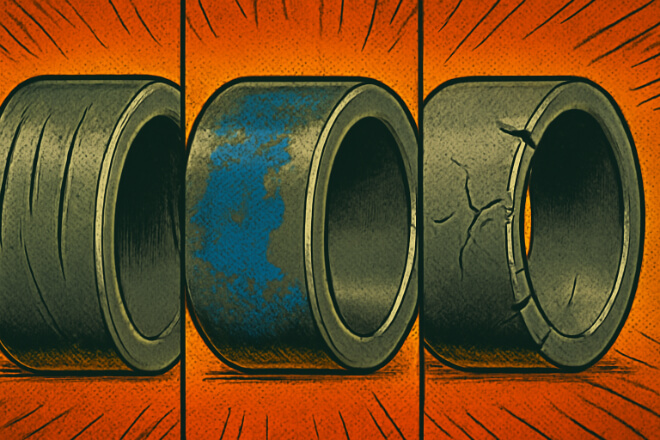
Tungsten carbide (WC) bushings are highly durable components used in many industrial applications. They are designed to withstand high pressures, speeds, and harsh conditions. However, they can still experience damage, especially from the mating surface or counterface. Understanding the different damage modes that can occur between the bushing and its counterface is crucial for preventing premature failure. This article will explain the common counterface damage modes and how to prevent them. What Is Counterface Damage in Tungsten Carbide Bushings? Counterface damage occurs when the mating surface, such as the shaft or housing, wears down and interacts negatively with the tungsten carbide bushing. These interactions can lead to surface degradation, wear, […]
Shaft Hardness Requirements to Protect Tungsten Carbide Bushings

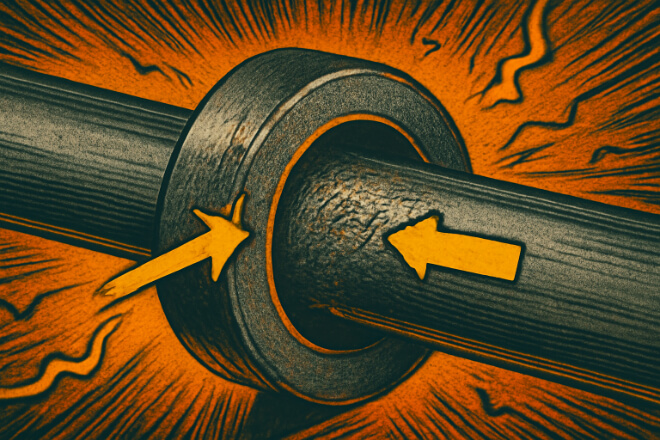
Tungsten carbide bushings are designed to handle tough industrial environments, but they can wear out prematurely if paired with shafts that don’t meet the right hardness requirements. The hardness of the shaft has a significant impact on the lifespan and performance of tungsten carbide bushings. In this article, we will explore the importance of shaft hardness, how it protects WC bushings, and what the right hardness values should be for different applications. Why Shaft Hardness Matters for Tungsten Carbide Bushings The hardness of the shaft paired with a tungsten carbide bushing affects the wear and tear each component experiences during operation. If the shaft is too soft, it can wear […]
Galling and Seizure in WC Bushings: How to Prevent It

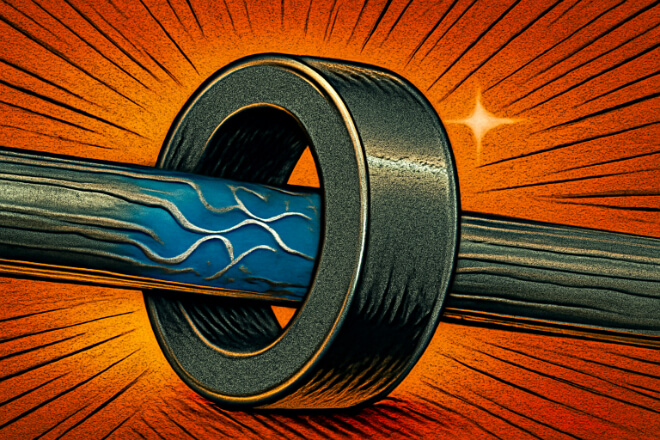
Tungsten carbide (WC) bushings are commonly used in industrial applications for their durability and resistance to wear. However, even tungsten carbide can suffer from galling and seizure under certain conditions. These issues are costly and can lead to system failure. Understanding the causes of galling and seizure, and knowing how to prevent them, is essential for anyone working with tungsten carbide bushings. This article discusses the causes of galling and seizure in WC bushings, how to detect these problems, and the best practices for preventing them. What Is Galling and Seizure in WC Bushings? Galling and seizure are two distinct but related issues that can damage WC bushings. Galling refers […]