
Why Do Aerospace Manufacturers Choose Carbide Trimming Tools?
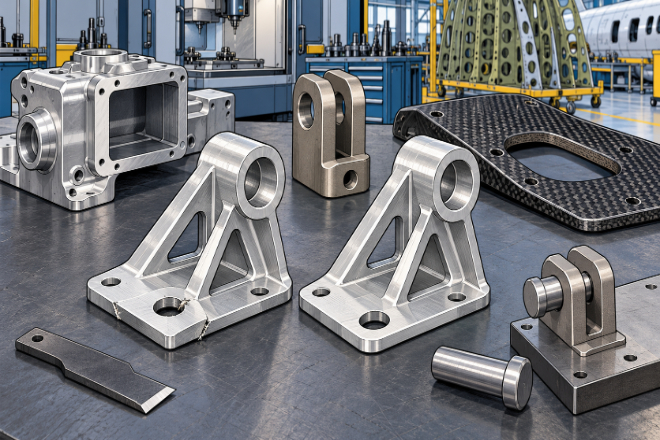
Aerospace components are expensive, and mistakes during finishing can be even more expensive. A tiny burr, a rough edge, or a damaged surface may lead to extra inspection or costly rework. That is why many manufacturers use carbide trimming tools for selected finishing operations. Their hardness and wear resistance help maintain cutting performance, but the real benefit comes from choosing the right tool for the material, the part, and the production process. 1. Why Does Aerospace Manufacturing Need Reliable Trimming Tools? Aerospace parts are designed to work under demanding conditions. They may face heavy loads, vibration, temperature changes, and long service periods. To meet these needs, manufacturers use materials such […]
How Do Carbide Trimming Tools Handle High-Strength Aerospace Materials?
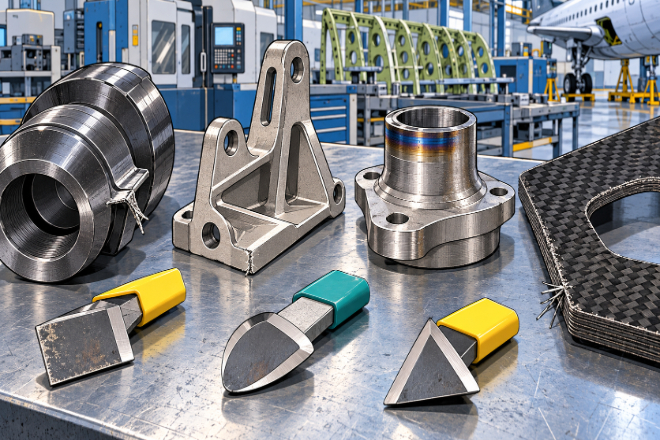
Aerospace materials are built to handle tough conditions. Unfortunately, they can be just as tough on cutting tools. Titanium resists cutting, hardened steel can wear down an edge quickly, and nickel-based alloys are rarely easy to machine. For manufacturers, the challenge is not simply removing material. It is finishing each edge without damaging an expensive component or slowing down production. Carbide trimming tools can help, provided their design and cutting conditions match the material. 1. Why Are High-Strength Aerospace Materials So Difficult to Trim? Aerospace components are designed to handle heavy loads, heat, vibration, and long service periods. Materials such as titanium alloys, hardened steel, and nickel-based alloys help meet […]
Why Are Carbide Trimming Tools Preferred for Difficult Materials?
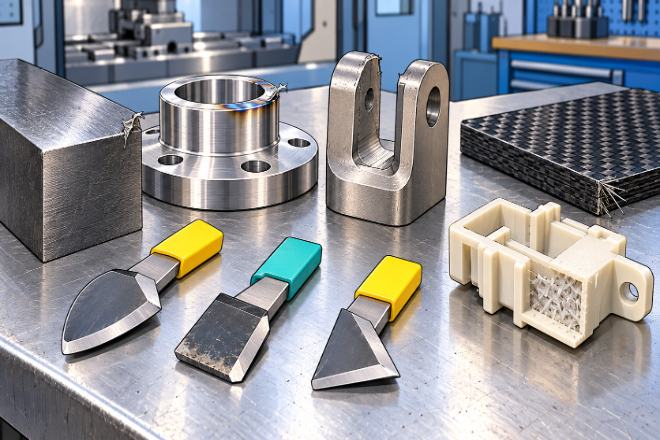
Some materials are easy to cut. Others quickly wear down cutting edges, create too much heat, or leave rough edges that need extra work. Carbide trimming tools are often chosen for difficult materials because they offer high hardness, good wear resistance, and precise cutting performance. With the right tool design and cutting settings, manufacturers can improve edge quality and keep production more stable. 1. What Makes Difficult Materials Hard to Trim? In manufacturing, difficult materials are not limited to very hard metals. Some materials are hard to cut because they contain abrasive fibers, resist deformation, produce long chips, or react poorly to heat. Common examples include hardened steel, stainless steel, […]
 English
 Español
 简体中文
 Français
 日本語
 한국어
 العربية
 Tiếng Việt