When to Use Silicon Carbide Instead of Tungsten Carbide Bushings

タングステンカーバイドブッシング are known for their excellent 耐摩耗性, 硬度, and durability, making them a popular choice for a wide range of industrial applications.

However, in certain environments, silicon carbide (SiC) bushings may offer better performance, especially in situations that involve extreme temperatures, abrasive conditions, or aggressive chemical exposure.

This article will explore the factors to consider when choosing between tungsten carbide and silicon carbide bushings and help you determine the right material for your application.

Key Differences Between Silicon Carbide and Tungsten Carbide Bushings

Before we dive into when to use each material, it’s important to understand the key differences between silicon carbide (SiC) and tungsten carbide (WC).

財産 Silicon Carbide (SiC) Tungsten Carbide (WC)
Hardness (Vickers Hardness) 2,500 – 3,000 HV 1,800 – 2,400 HV
耐摩耗性 Extremely high resistance to abrasion Very high resistance to wear
Friction Coefficient Low friction, ideal for dry-running applications Moderate friction, performs well with lubrication
熱伝導率 Very high, allows for efficient heat dissipation High, but not as efficient as SiC
熱膨張 Low, minimal expansion under heat Higher expansion rate compared to SiC
耐腐食性 Excellent resistance, especially to acids Good resistance but less effective in corrosive environments
料金 Generally more expensive More cost-effective in most applications

While both materials have superior properties for handling wear and friction, their specific characteristics make them suitable for different environments.

When to Choose Silicon Carbide Bushings

Silicon carbide is a synthetic material known for its extreme 硬度, 耐摩耗性, and high-temperature performance. Here are some scenarios where silicon carbide bushings are ideal:

1). High-Temperature Applications

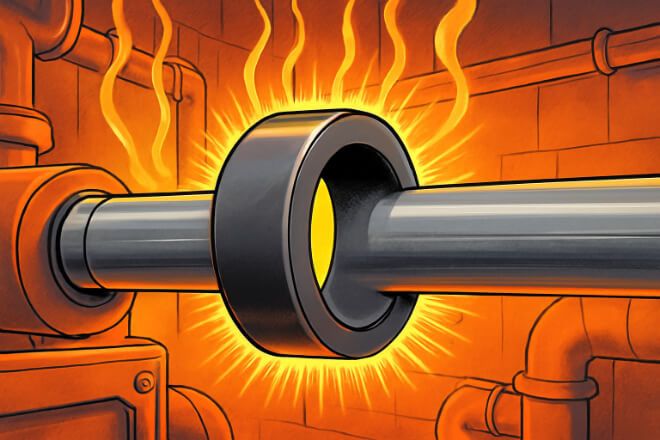
Silicon carbide can withstand temperatures of up to 1,600°C (2,912°F) without degrading, making it an ideal choice for industries that deal with high-temperature environments.

1.1). Applications:

  • Furnace parts

  • High-speed motors

  • Turbomachinery

  • Power generation (gas turbines)

1.2). Why Choose SiC?

Silicon carbide has an excellent thermal conductivity, which allows it to dissipate heat effectively.

This makes it suitable for applications where heat build-up can be detrimental to the performance of the bushing.

2). Dry-Running or Low-Lubrication Environments

SiC has a low friction coefficient, making it a better choice for systems that do not use lubrication or those operating in dry-running conditions.

2.1). Applications:

  • Vacuum pumps

  • 航空宇宙 components

  • High-speed machinery with minimal lubrication

2.2). Why Choose SiC?

Low friction and high 耐摩耗性 allow SiC bushings to perform well even in the absence of lubrication.

This is crucial in applications like vacuum pumps, where lubricant contamination is a concern.

3). Aggressive Chemical Environments

SiC is highly resistant to corrosion from chemicals and acids, particularly in alkaline or acidic environments.

3.1). Applications:

  • Chemical processing equipment

  • Pharmaceutical manufacturing

  • Water treatment systems

3.2). Why Choose SiC?

SiC’s excellent 耐腐食性 makes it ideal for environments with highly corrosive substances, where tungsten carbide might degrade over time.

When to Choose Tungsten Carbide Bushings

Tungsten carbide, often referred to as the “material of choice” for high-performance wear applications, is extremely hard and durable.

Here are some instances when tungsten carbide is a better option:

1). High Wear and Abrasive Conditions

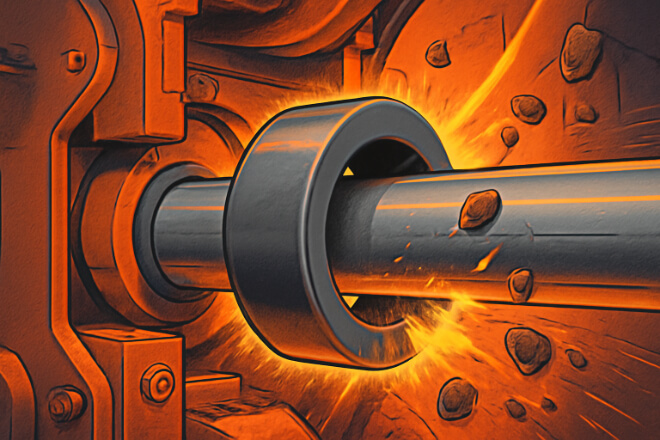
Tungsten carbide is one of the hardest materials available and is particularly effective in abrasive environments, such as those with hard particulates or rough surfaces.

1.1). Applications:

  • Mining and drilling equipment

  • Manufacturing machines with abrasive contact

  • Hydraulic systems

1.2). Why Choose WC?

Tungsten carbide excels in applications where abrasive wear is a concern.

Its high 硬度 helps it maintain shape and functionality even under intense friction.

2). High-Pressure, High-Load Systems

Tungsten carbide can handle high mechanical loads and pressure.

It maintains its performance under shock and impact conditions, making it an ideal material for bushings used in heavy-duty applications.

2.1). Applications:

2.2). Why Choose WC?

Tungsten carbide’s superior 強靭さ, combined with its hardness, makes it ideal for applications that experience high mechanical stress and impact forces.

3). Cost-Effective in Many Industrial Applications

Tungsten carbide is typically less expensive than silicon carbide, making it a more budget-friendly option for many applications, while still offering excellent performance for most industrial needs.

3.1). Applications:

  • Bearings in non-extreme environments

  • Seals in various industries

  • Manufacturing and assembly tools

3.2). Why Choose WC?

If you need excellent wear resistance and toughness without the high cost of silicon carbide, tungsten carbide provides a cost-effective solution.

How to Choose Between Silicon Carbide and Tungsten Carbide

Choosing between silicon carbide and tungsten carbide depends on the specifics of your application. Here’s a quick guide to help you decide:

状態 Recommended Bushing Material Reason
High temperature (> 500°C) Silicon Carbide Better high-temperature stability and thermal conductivity
Dry-running or minimal lubrication Silicon Carbide Low friction and high wear resistance
High impact or shock load タングステンカーバイド Excellent toughness and resistance to mechanical shock
Corrosive environments Silicon Carbide Superior chemical resistance
Abrasive environments タングステンカーバイド Exceptional hardness and abrasion resistance

Maintenance Tips for Silicon Carbide and Tungsten Carbide Bushings

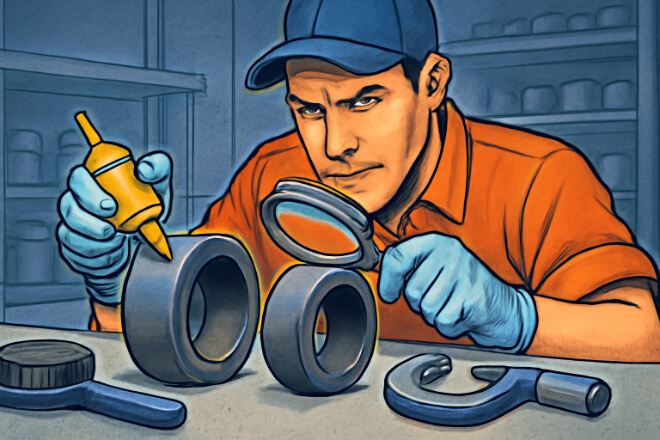
Both silicon carbide and tungsten carbide bushings require regular maintenance to ensure they operate at peak performance.

Key Maintenance Tips:

  • Inspect regularly for wear, cracks, or surface damage.

  • Lubricate properly to prevent unnecessary friction.

  • Monitor temperature to prevent overheating.

  • Keep equipment clean to avoid contamination from dirt or chemicals.

結論

Choosing the right material for bushings—whether silicon carbide or tungsten carbide—depends on your specific application needs.

SiC is ideal for high-temperature, dry-running, and corrosive environments, while WC excels in high-pressure, high-load, and abrasive conditions.

By understanding the strengths of each material, you can make the best choice for your industrial applications, enhancing performance, longevity, and cost-effectiveness.

企業の詳細を知りたい場合は、お気軽にお問い合わせください。 お問い合わせ。

コメントを閉じる

メールアドレスが公開されることはありません。 が付いている欄は必須項目です