
What is Edge Chipping?
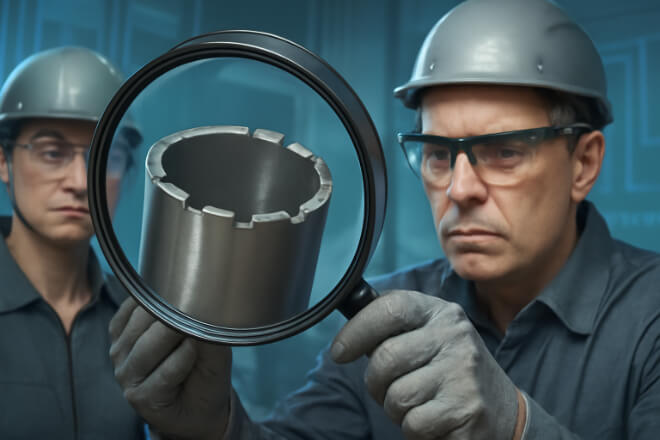
Edge chipping refers to the damage that occurs on the outer edge or corners of a component, typically caused by mechanical stress or impact.
In the case of tungsten carbide bushings, edge chipping can occur when the material is subjected to excessive forces, such as during installation, handling, or operation under extreme conditions.
Why Edge Chipping Is a Concern:
Performance Degradation: Chipped edges can create gaps or misalignment between the bushing and the shaft, leading to increased wear and friction.
Reduced Durability: Once the edge is chipped, the tungsten carbide is more susceptible to further damage, reducing the overall lifespan of the bushing.
Failure Risk: In critical applications like pumps or machinery, edge chipping can lead to premature failure of the bushing, affecting the entire system’s operation.
Causes of Edge Chipping in Thin-Wall Tungsten Carbide Bushings
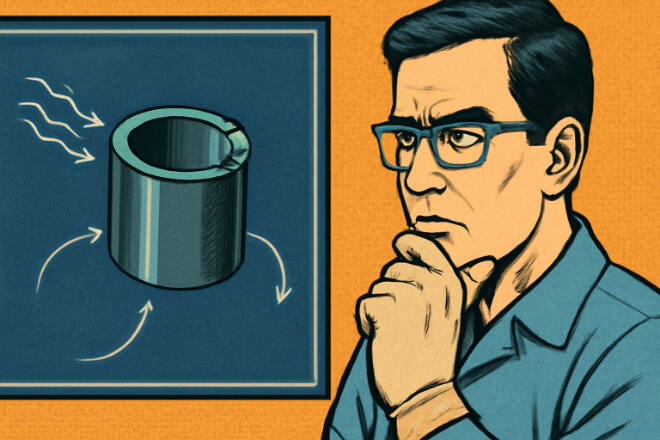
Thin-wall tungsten carbide bushings are more vulnerable to edge chipping due to their structural characteristics.
Several factors contribute to this issue, including the manufacturing process and handling during installation.
Key Causes of Edge Chipping:
Manufacturing Stress: During the manufacturing process, especially grinding and machining, excessive force can cause tiny cracks to form on the edges of the bushing, leading to chipping.
Handling Damage: Thin-walled bushings are more fragile and can easily be damaged during transport or handling, especially when subjected to sharp impacts or drops.
Improper Installation: When bushings are press-fitted into housings or onto shafts with too much force, it can create localized stress on the edges, causing chips or cracks to form.
Excessive Loads: During operation, if the bushing is subjected to forces that exceed its structural limits, especially at the edges, chipping can occur.
Why Thin-Wall Tungsten Carbide Bushings Are Prone to Edge Chipping
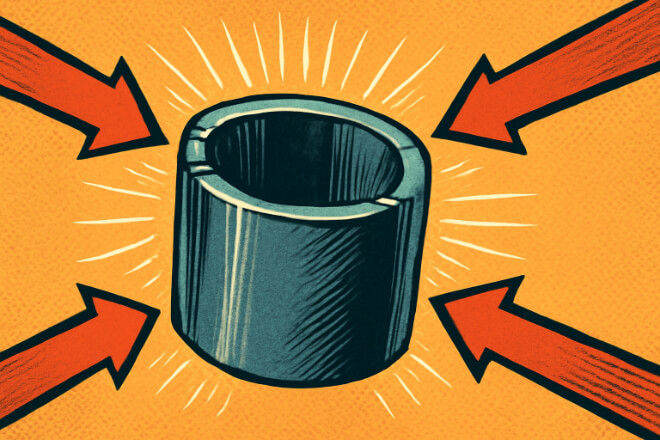
Thin-wall tungsten carbide bushings are particularly vulnerable to edge chipping because of their geometry.
As the wall thickness decreases, the material becomes more brittle and less able to absorb shock and stress, which can lead to cracking or chipping at the edges.
Structural Characteristics of Thin-Wall Bushings:
脆さ:
Tungsten carbide is a very hard material, but it is also brittle, especially in thin sections.
Thin walls offer less resistance to shock loads, which increases the likelihood of edge chipping.
Higher Stress Concentration:
Thin sections of the bushing concentrate stress at the edges, making them more susceptible to damage.
When these edges are exposed to external forces, such as installation pressure or operational vibrations, they can chip easily.
限定サポート:
Thin-walled bushings have less material to support the edges, making them more vulnerable to chipping during manufacturing or use.
Best Practices for Preventing Edge Chipping
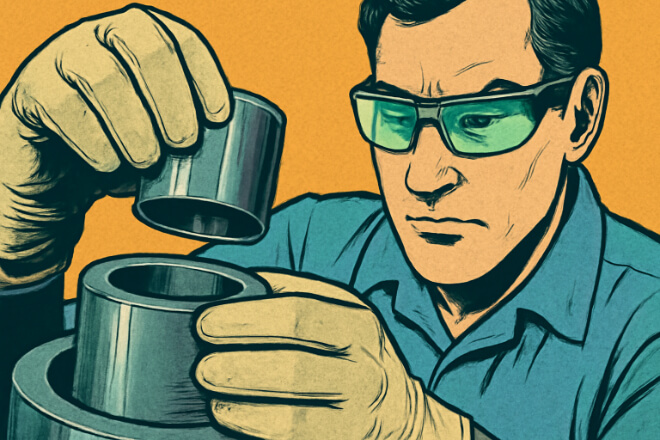
To prevent edge chipping and maintain the integrity of thin-wall tungsten carbide bushings, several best practices can be employed during manufacturing, handling, and installation.
1). Best Practices for Manufacturing:
Controlled Grinding: During the grinding process, it’s essential to control the amount of pressure applied to the bushing. Using finer abrasives and minimizing stress during grinding helps prevent cracks and chips from forming.
Post-Sintering Treatments: After sintering, a stress-relieving process can help reduce the internal stresses within the material, reducing the risk of chipping.
Edge Rounding: Slightly rounding the edges of the tungsten carbide bushing can help distribute the stresses more evenly, reducing the likelihood of edge chipping.
2). Best Practices for Handling and Installation:
Gentle Handling: Thin-wall bushings should be handled carefully during transport and installation to avoid any impacts or drops that could damage the edges.
Proper Press-Fit: When installing thin-wall bushings, ensure that the press-fit is applied slowly and evenly to prevent sudden pressure on the edges. Using a press-fitting machine with controlled force helps reduce the risk of chipping.
Temperature Control: Installing the bushing at a lower temperature can help reduce the risk of cracking. Pre-heating the housing can ensure a smooth fit and reduce installation stress.
The Role of Coatings in Preventing Edge Chipping
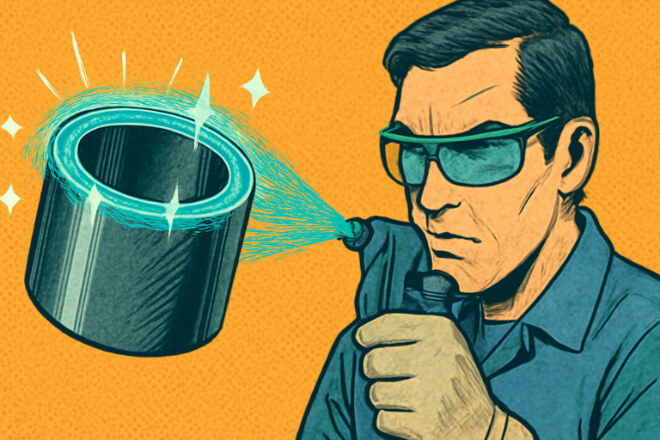
Coatings can also play a significant role in preventing edge chipping by enhancing the toughness of the bushing and providing additional protection to the edges.
Benefits of Coatings:
Increased 強靭さ: Coatings such as CVD (Chemical Vapor Deposition) or PVD (Physical Vapor Deposition) coatings can increase the toughness of the tungsten carbide surface, making it more resistant to cracking and chipping.
耐摩耗性: Coatings improve wear resistance, especially at the edges, reducing the chances of damage during operation.
Reduced Friction: Coatings can help reduce friction between the bushing and the shaft, minimizing stress on the edges and preventing chipping.
Applications of Thin-Wall Tungsten Carbide Bushings
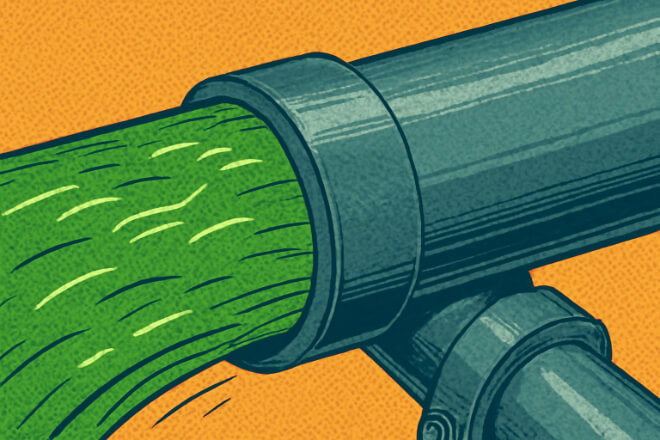
Thin-wall tungsten carbide bushings are used in a variety of industries where high performance is required. Here are some examples:
Key Applications:
Slurry Pumps: Thin-wall tungsten carbide bushings are ideal for slurry pumps handling abrasive fluids, where edge chipping can impact performance.
Precision Machining: Thin-walled bushings are used in precision machinery, where maintaining dimensional stability and integrity is critical.
Valves and Seals: In high-performance valves and seals, thin-wall bushings help maintain smooth operation, but edge chipping can reduce their efficiency.
 English
  Español
  简体中文
简体中文  Français
  日本語
日本語  한국어
한국어  العربية
  Tiếng Việt