
1. Understanding the Properties of Tungsten Carbide Tips
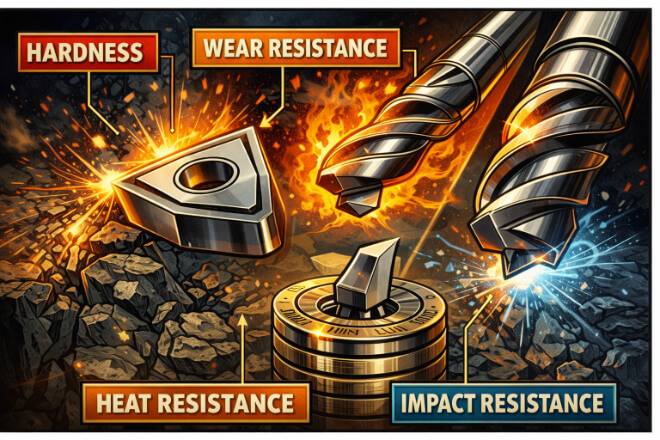
Tungsten carbide is a composite material made from tungsten and carbon, known for its remarkable properties that make it perfect for cutting applications in tough materials.
These properties include extreme hardness, wear resistance, and thermal stability, making it suitable for use across a variety of industries.
Key Properties of Tungsten Carbide Tips:
硬度: Tungsten carbide is one of the hardest materials available, providing excellent cutting edges that resist wear even under high-pressure conditions.
耐摩耗性: Carbide tips maintain their cutting sharpness longer than other materials, reducing the need for frequent tool replacements.
耐熱性: Tungsten carbide can withstand high temperatures, which is especially important in cutting metals and composites where friction generates significant heat.
Impact Resistance: Tungsten carbide is tough enough to handle shock and impact, making it ideal for operations that involve high-stress cutting.
These properties make tungsten carbide tips versatile and suitable for use in cutting a range of materials.
2. Choosing the Right Carbide Tip for Wood Cutting
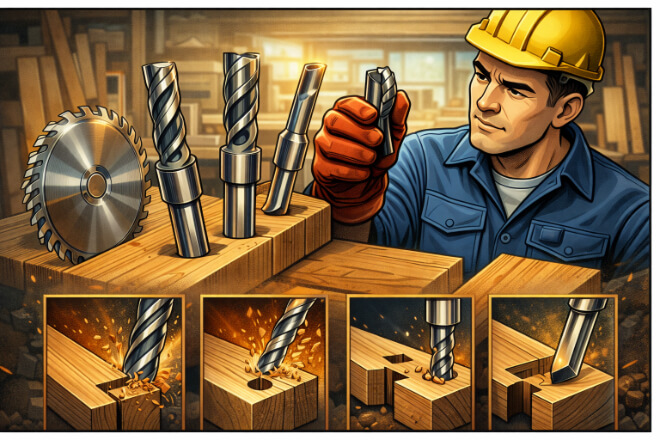
When cutting wood, carbide tips are preferred due to their ability to maintain sharp edges and resist wear over time.
However, wood is less dense than materials like metal, meaning carbide tips need to be optimized for efficiency, speed, and smooth cuts.
Carbide Tips for Wood Cutting:
幾何学: For wood cutting, carbide tips with a fine grain structure are ideal. A finer grain allows for a sharper cutting edge, which is essential for achieving clean cuts in wood.
Tip Design: Choose tips with a flat or slightly angled cutting edge for smooth, splinter-free cuts.
切断速度: Wood cutting generally requires high-speed cutting, so carbide tips designed for fast material removal will work best.
耐久性: Since wood is less abrasive, carbide tips tend to last longer in these applications. However, tips should still be inspected regularly for any wear or damage.
Carbide-tipped tools for wood cutting help ensure smooth finishes and fast, efficient operations without frequent tool changes.
3. Selecting Carbide Tips for Plastic Cutting
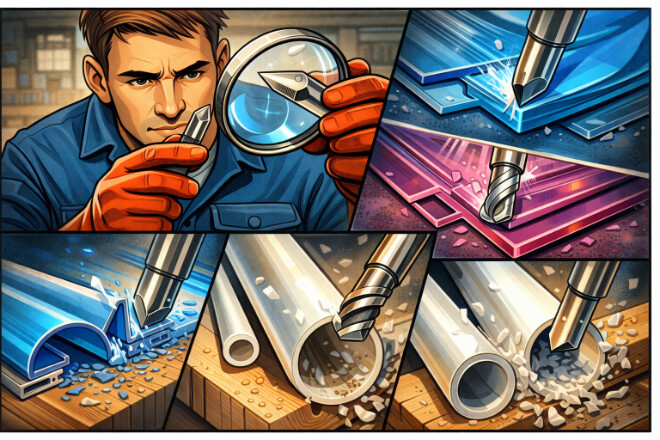
Cutting plastics requires carbide tips that offer a balance between hardness and flexibility. While plastic is not as hard as metal, it can be quite abrasive, which demands durability from the cutting tips.
Carbide Tips for Plastic Cutting:
粒度:
For cutting plastics, a medium grain carbide is ideal. It offers a good balance between sharpness and 強靭さ, allowing for efficient cutting without excessive wear.
Tip Geometry:
A sharp, pointed tip geometry is effective in producing smooth cuts without causing melting or deformation of the plastic. For softer plastics, a flatter angle may be preferred.
Heat Management:
Plastic can generate heat quickly, especially when cutting at high speeds.
Carbide tips with excellent heat resistance will help maintain sharpness and prevent overheating, which could cause the plastic to melt or smear.
Speed and Precision:
Carbide tips designed for plastic cutting typically offer high precision and minimal material waste, ensuring clean, sharp cuts with minimal burr formation.
When cutting plastics, carbide tips should be chosen based on the specific type of plastic and the speed of operation to ensure clean, precise cuts.
4. Carbide Tips for Metal Cutting: Durability and Performance
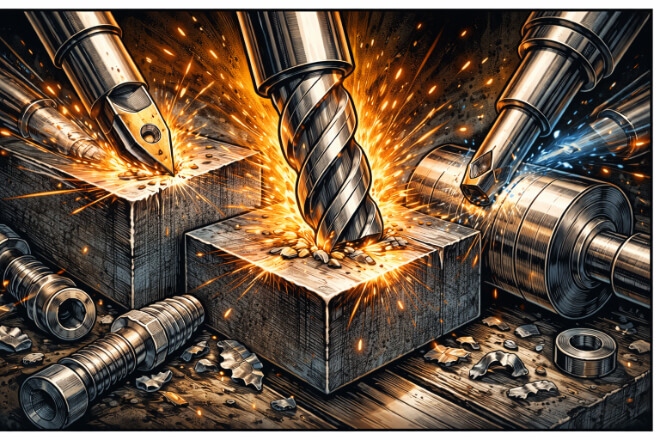
Cutting metal is one of the most demanding tasks for any cutting tool. Tungsten carbide tips excel in metal cutting due to their exceptional 硬度 そして resistance to wear and heat.
Carbide Tips for Metal Cutting:
Grade Selection:
For metal cutting, select carbide grades with fine grain sizes that provide the hardness necessary for cutting through tough metals like steel and titanium.
Coarse grain carbide tips are generally used for rougher cutting tasks.
Tip Geometry:
Sharp cutting edges with specific geometries such as a negative rake angle are ideal for achieving high cutting efficiency and extended tool life when cutting metal.
切断速度:
Metal cutting often involves high cutting speeds. Tungsten carbide tips that can withstand high temperatures and pressures are critical for effective cutting and preventing tool failure.
潤滑:
Carbide tips work best with proper lubrication to reduce friction and heat during metal cutting, extending tool life and improving performance.
Carbide tips are indispensable for metal cutting due to their ability to withstand high-speed, high-pressure environments, ensuring precision and efficiency in every operation.
5. Carbide Tips for Composite Materials: Challenges and Solutions
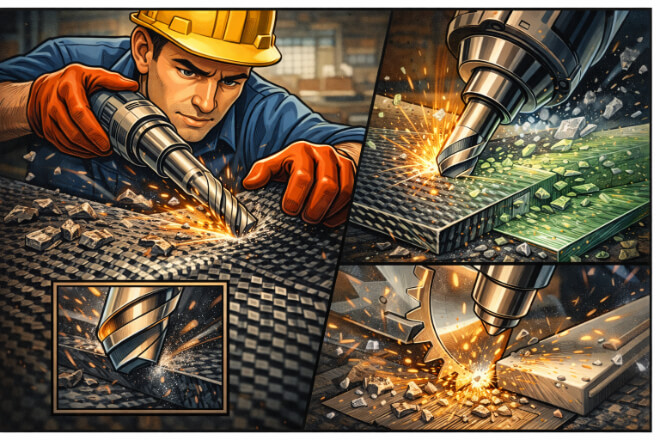
Composites, such as fiberglass, carbon fiber, and other advanced materials, present unique challenges due to their abrasiveness and material composition.
Tungsten carbide tips are often used to handle the complexity of cutting these materials.
Carbide Tips for Composite Cutting:
Abrasive Wear Resistance:
Composites can be highly abrasive, which increases wear on cutting tools.
タングステンカーバイドチップ with a high binder content, which are tougher and more resistant to abrasion, are ideal for composite cutting.
Sharpness Retention:
Carbide tips that maintain sharpness over longer periods are crucial for composite cutting to ensure precision without frequent re-sharpening.
耐熱性:
Composites can generate heat during cutting, which could lead to tool degradation.
Carbide tips with excellent heat resistance help prevent overheating and ensure clean cuts.
Tip Geometry:
A sharper, more precise tip is essential for cutting composites cleanly and preventing fiber pull-out or damage.
Choosing carbide tips specifically designed for composites helps maintain cutting precision and prolongs tool life when working with these tough, abrasive materials.
6. Cost Benefits of Using Carbide Tips for Multi-Material Cutting

Although tungsten carbide tips are generally more expensive than other materials, they provide long-term cost savings due to their superior durability, precision, and efficiency.
Long-Term Cost Advantages:
ツール寿命の延長: Carbide tips last longer, reducing the frequency of tool replacements and minimizing downtime.
Higher Cutting Efficiency: Carbide tips maintain their sharpness longer, improving cutting efficiency and reducing the time spent on tool changes or re-sharpening.
Reduced Maintenance Costs: Tungsten carbide tips require less maintenance due to their 硬度 そして 耐摩耗性, lowering labor and operational costs.
Improved Productivity: The increased tool life and reduced downtime lead to improved productivity and lower per-unit cutting costs, providing excellent long-term value.
Investing in carbide tips for multi-material cutting provides a higher return on investment by ensuring longer tool life, greater cutting efficiency, and reduced maintenance.
 English
  Español
  简体中文
简体中文  Français
  日本語
日本語  한국어
한국어  العربية
  Tiếng Việt