
Why Recondition Tungsten Carbide Tips?

Reconditioning tungsten carbide tips offers numerous benefits for industries focused on cost reduction, sustainability, and tool performance.
Instead of purchasing new tips, which can be expensive, reconditioning allows companies to restore tools to their original condition.
This practice not only saves money but also reduces waste, contributing to a more sustainable manufacturing process.
Furthermore, reconditioned tips can deliver the same performance as new ones, provided the reconditioning process is done properly.
Signs That Tungsten Carbide Tips Need Reconditioning
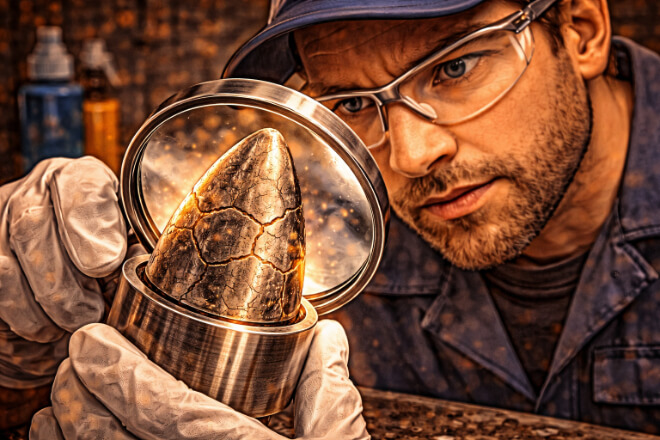
Before considering reconditioning, it’s essential to recognize when a tungsten carbide tip requires attention. Some common signs that a tip may need reconditioning include:
Visible Wear: The cutting edges become rounded, chipped, or cracked, which reduces cutting efficiency.
Increased Power Consumption: Dull tips cause machinery to work harder, leading to higher energy consumption.
Poor Performance: The workpiece surface quality declines, and the tool no longer cuts as effectively.
Frequent Breakage: The carbide tip may begin to break or chip due to excessive wear and impact.
Detecting these signs early can prevent downtime and maintain optimal tool performance.
Reconditioning Methods for Tungsten Carbide Tips
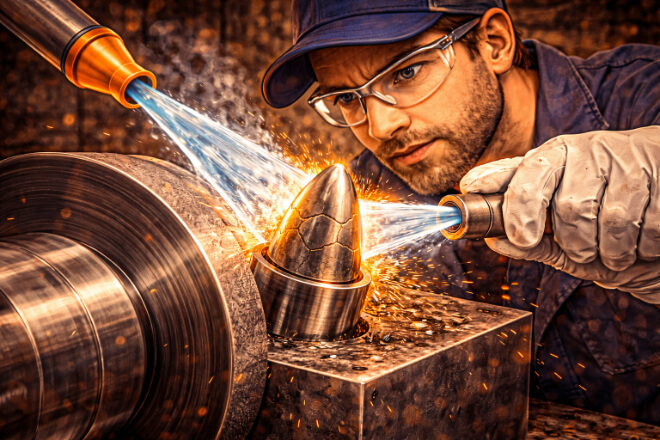
Reconditioning tungsten carbide tips involves several steps, depending on the level of wear and the desired results. The following methods are commonly used to restore carbide tips:
Method 1: Grinding and Sharpening
Grinding and sharpening are the primary methods for reconditioning tungsten carbide tips.
This process involves removing worn or damaged material from the tip to restore a sharp, functional cutting edge. A diamond grinding wheel is typically used because tungsten carbide is highly abrasive.
Steps:
Secure the carbide tip on a fixture.
Use a diamond grinding wheel to carefully grind the tip to its original shape.
Apply coolant during the grinding process to prevent overheating.
Method 2: Coating and Re-coating
Applying a new coating to the tungsten carbide tip can help restore its surface 硬度 and protect it from further wear.
Coatings such as titanium nitride (TiN) or diamond-like carbon (DLC) are often used to enhance the performance of the reconditioned tip.
Steps:
Clean the carbide tip to remove any debris or contaminants.
Apply the desired coating using a chemical vapor deposition (CVD) or physical vapor deposition (PVD) process.
Cure the coating to ensure adhesion.
Method 3: Laser Welding
In cases where the tip is severely worn or cracked, laser welding can be used to add material back onto the tip.
This process involves using a laser to melt the surface of the carbide, allowing new carbide material to be fused into the worn areas.
Steps:
Focus the laser on the worn areas of the carbide tip.
Add carbide powder or rods to the molten area.
Allow the material to cool and solidify, restoring the tip’s geometry.
Benefits of Reconditioning Tungsten Carbide Tips

Reconditioning タングステンカーバイドチップ offers several key advantages:
コスト削減: Purchasing new tungsten carbide tips can be expensive. Reconditioning reduces the need for new tools, providing significant savings.
Sustainability: By reusing carbide tips, companies contribute to environmental sustainability by reducing waste.
ツール寿命の延長: Proper reconditioning restores carbide tips to their original performance, extending their lifespan.
Improved Performance: Reconditioned tips, when properly restored, can perform just as well as new ones, ensuring high-quality machining and cutting.
Factors to Consider When Reconditioning Tungsten Carbide Tips
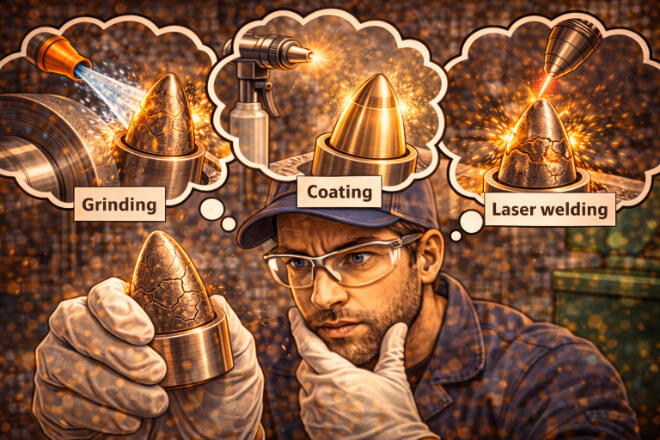
While reconditioning is a cost-effective solution, it’s important to consider several factors to ensure the process is successful:
Level of Wear: For minor wear, grinding and sharpening may be sufficient. For severe damage, coating or laser welding may be necessary.
Tool Quality: Not all tungsten carbide tips are suitable for reconditioning. Tools made with high-quality carbide will yield better results when reconditioned.
Reconditioning Expertise: Proper reconditioning requires specialized knowledge and equipment. Working with an experienced reconditioning service can ensure the best results.
Best Practices for Reconditioning Tungsten Carbide Tips
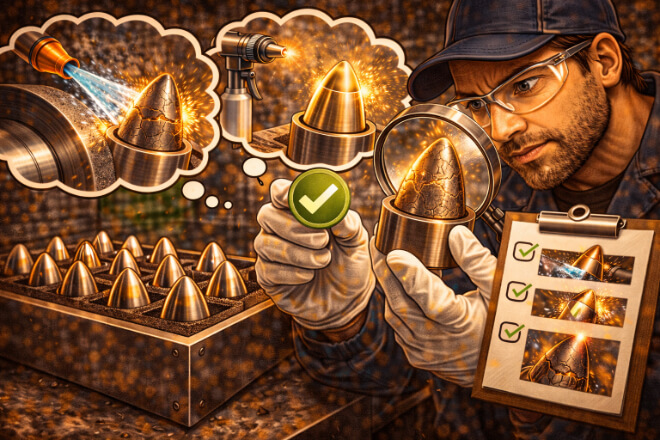
To achieve the best results when reconditioning tungsten carbide tips, follow these best practices:
Regular Inspections: Monitor carbide tips regularly to identify signs of wear before they affect performance.
Use Proper Equipment: Ensure the grinding wheels, coatings, and laser welding equipment are of high quality and suitable for tungsten carbide.
Consult Professionals: If unsure about the reconditioning process, consult with experts who specialize in carbide tool restoration to ensure the best outcome.
 English
  Español
  简体中文
简体中文  Français
  日本語
日本語  한국어
한국어  العربية
  Tiếng Việt