
Tungsten Carbide Tips: The Preferred Choice for Tough Cutting Jobs
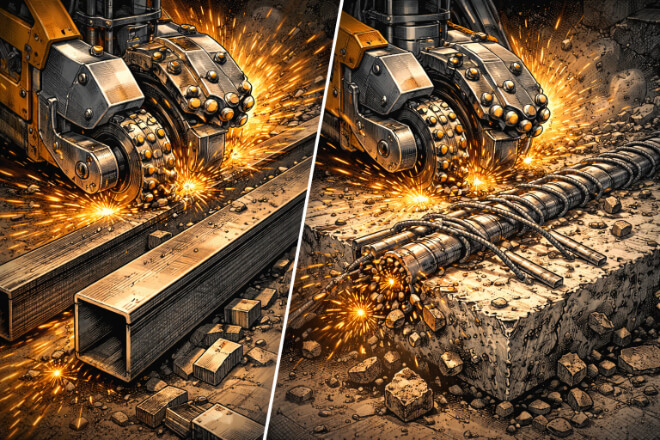
Tungsten carbide is widely considered the best material for cutting tools used in tough applications.
Its unique properties make it highly effective in cutting through hard materials such as metals, concrete, and composites.
1). 優れた 硬度
Tungsten carbide is one of the hardest materials available, second only to diamond.
This hardness allows carbide tips to maintain a sharp cutting edge over extended periods, even when cutting through abrasive materials like steel, rock, and cement.
This sharpness ensures cleaner cuts with less effort, leading to more precise and efficient cutting.
2). Outstanding 耐摩耗性
Tungsten carbide tips excel in environments with high friction and wear.
Their resistance to abrasion and wear makes them perfect for tough cutting jobs, where steel and ceramic tools may degrade faster.
Carbide tips are less likely to lose their cutting efficiency, resulting in fewer tool replacements and reducing downtime in manufacturing environments.
3). Impact Resistance
Tungsten carbide tips are also highly resistant to impact forces, which is essential when cutting through tough or hard materials.
Their ability to withstand heavy shocks without breaking or chipping contributes to their reliability and extended tool life.
Ceramic Cutting Tools: High Precision but Limited Durability
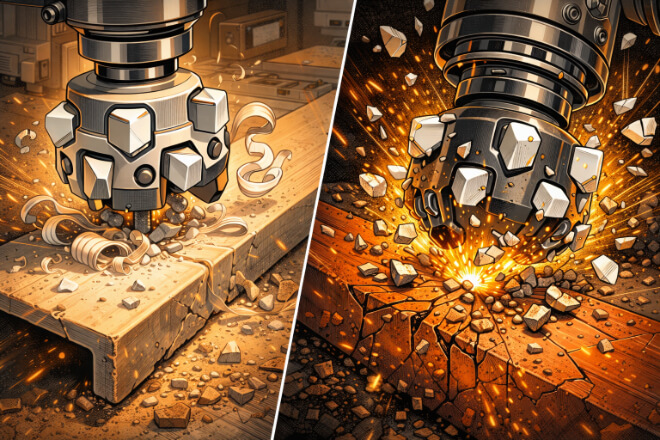
Ceramic cutting tools offer high precision and hardness but may not perform as well as tungsten carbide in tougher cutting jobs.
While ceramics can handle precision cutting tasks, their brittleness limits their effectiveness in high-impact environments.
1). High 硬度
Ceramic materials are extremely hard and can provide sharp cutting edges for precise cutting jobs.
They are especially useful in applications that involve light to medium cutting tasks, such as fine machining or cutting softer metals.
However, when used on tough materials or in environments with high impact or heat, ceramic tools may wear down or break more quickly than tungsten carbide tools.
2). 耐摩耗性
Ceramics also have good wear resistance, but they tend to degrade faster in abrasive cutting tasks compared to tungsten carbide.
They are not as durable when cutting through tough materials like hard metals or concrete, where carbide tips perform much better.
3). Brittleness and Impact Resistance
One of the main drawbacks of ceramic tools is their brittleness.
While ceramics can withstand high temperatures, they are prone to breaking or chipping when subjected to heavy impacts or sudden forces.
This limits their effectiveness in industries like construction and heavy metalworking, where tools face constant shocks and vibrations.
Steel Cutting Tools: Versatile but Less Durable in Tough Jobs
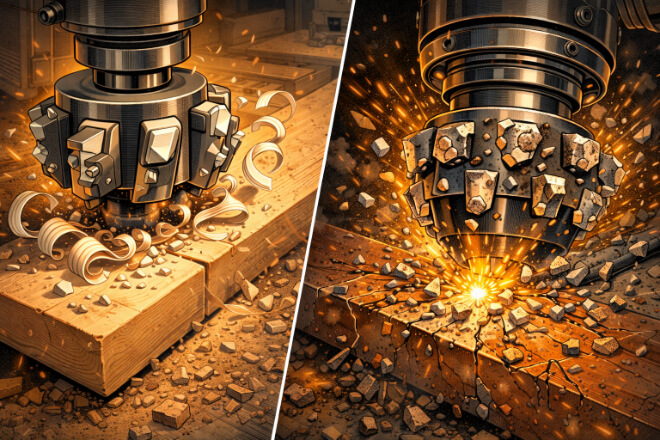
Steel has been the traditional material for cutting tools due to its versatility and lower cost.
While it is suitable for many cutting tasks, steel does not perform as well in tough cutting environments compared to tungsten carbide.
1). Moderate Hardness
Steel is not as hard as tungsten carbide or ceramic, which means it tends to lose its cutting edge more quickly.
While it works well for softer materials and general-purpose cutting, steel tools may need frequent sharpening or replacement when used for tough tasks like cutting through hard metals or abrasive materials.
2). Wear and Heat Resistance
Steel has moderate wear and heat resistance. While it can handle a variety of materials, it tends to wear out faster in high-speed or high-precision cutting operations.
In environments with high temperatures and friction, steel tools may degrade more quickly compared to carbide tips, leading to more frequent replacements and higher operational costs.
3). Impact Resistance
Steel is relatively tough and can withstand moderate impact forces, making it suitable for general cutting tasks.
However, in tough cutting jobs where high-impact stresses are common, such as in heavy metalworking or construction, steel may not perform as well as tungsten carbide, which offers superior impact resistance and durability.
When to Choose Tungsten Carbide Tips Over Ceramic and Steel

Tungsten carbide is the preferred choice in tough cutting jobs when maximum durability, wear resistance, and impact toughness are needed.
It is ideal for industries that involve high-speed cutting, high-impact forces, or the processing of hard, abrasive materials like steel, concrete, and composites.
1). For High-Impact Applications
Tungsten carbide is the best option when cutting through materials that cause high impact stresses on the tools, such as when working with hard metals, rock, or reinforced concrete.
2). For High-Abrasive Materials
When working with abrasive materials like steel, sand, or stone, tungsten carbide tips provide superior wear resistance, making them the ideal choice for maintaining cutting efficiency over time.
3). For Long-Term Durability
If your operations require tools that need to last longer under heavy use, tungsten carbide tips offer the best long-term value, reducing the need for frequent tool changes and minimizing downtime.
 English
  Español
  简体中文
简体中文  Français
  日本語
日本語  한국어
한국어  العربية
  Tiếng Việt