
Why Noise and Vibration Matter in Bushing Assemblies
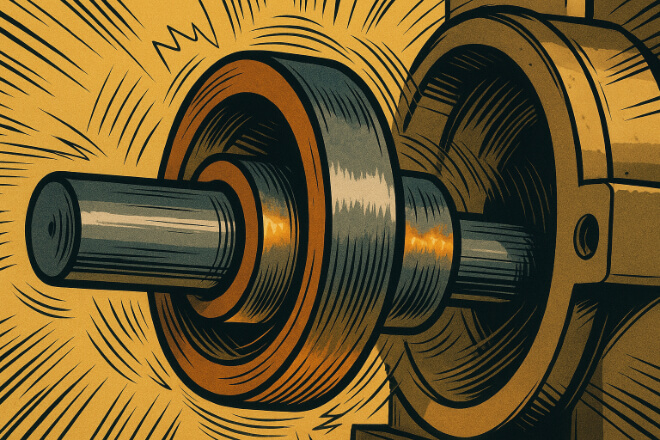
Noise and vibration usually show that something is not working correctly inside the bushing assembly.
Tungsten carbide bushings are meant to run smoothly with low friction. When unusual noise appears, it means friction or movement has increased.
Common risks include:
Faster wear on bushings and shafts
Higher operating temperature
Increased energy consumption
Loss of lubrication film
Cracks or long-term structural damage
Failure in pumps, mixers, compressors, or rotating machinery
For decision-makers, reducing noise and vibration is not only about comfort—it protects equipment and lowers maintenance cost.
Common Causes of Noise and Vibration in Tungsten Carbide Bushing Systems
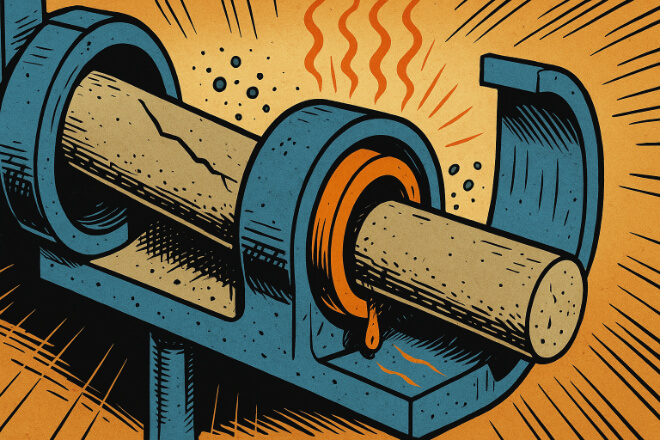
Noise and vibration rarely come from a single source. Most problems are related to alignment, lubrication, or incorrect operating conditions.
1). Poor Shaft Alignment
Even a small misalignment creates uneven pressure on the bushing. This leads to:
Squeaking or grinding noise
Oscillating vibration
Uneven wear patterns
Heat buildup
Misalignment is a common issue in pumps, compressors, and rotating equipment.
2). Rotor Imbalance
If the shaft is not balanced, the vibration can be strong enough to damage the tungsten carbide surface. Symptoms include:
Repeated vibration cycles
Deep wear spots
Humming or shaking during operation
3). Incorrect or Insufficient Lubrication
Tungsten carbide bushings are strong but require lubrication. Without enough lubricant, the shaft touches the bushing directly.
Signs include:
High-pitched noise
Sharp vibration
Scoring lines on the shaft
Higher temperature
4). Thermal Expansion Issues
Different materials expand at different rates when heated. Poor clearance design can make the shaft rub against the bushing.
This issue is common in:
High-speed applications
Hot water systems
石油とガス tools
5). Contamination and Solid Particles
Abrasive particles—sand, dust, metal shavings—can enter the bushing system and cause:
Grinding noise
Vibration under load
Faster wear or galling
6). Overloading or Incorrect Operating Conditions
Excessive load increases stress on the bushing and generates noise from:
Micro-vibration
Shock impact on the bushing surface
Higher surface temperature
How to Reduce Noise and Vibration
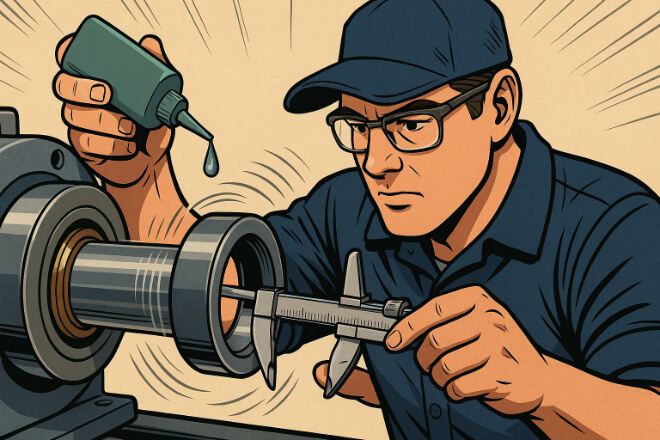
To keep the bushing assembly stable and quiet, follow these key practices:
1). Maintain Accurate Shaft Alignment
Proper alignment reduces friction and keeps the bushing running smoothly. Use:
Laser alignment tools
Dial indicators
Alignment jigs
2). Ensure Proper Lubrication Conditions
Choose lubricants based on:
Speed
Load
Operating temperature
Good lubrication prevents noise, galling, and overheating.
3). Select the Correct Tungsten Carbide Grade
Different grades offer different performance:
Choosing the wrong grade increases vibration under load.
4). Monitor Temperature and Operating Loads
High temperature is an early warning sign.
Use sensors or manual checks to track:
Operating temperature
Shaft vibration level
Lubrication temperature
5). Keep Equipment Clean
Solid particles cause most grinding noise. Using seals and filtration reduces contamination risk.
When a Noisy Bushing Must Be Replaced
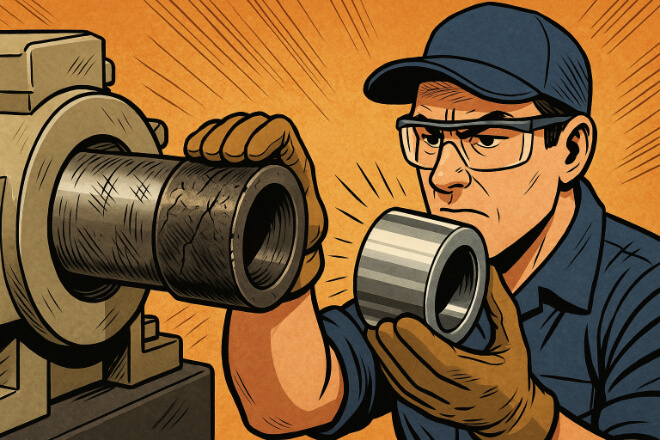
Sometimes noise and vibration mean the bushing has already reached end-of-life.
Replace when:
Deep cracks appear
Out-of-round measurement exceeds tolerance
Heat marks or discoloration appear
Vibration does not improve after maintenance
Early replacement protects the shaft and avoids sudden failure.
 English
  Español
  简体中文
简体中文  Français
  日本語
日本語  한국어
한국어  العربية
  Tiếng Việt