
Understanding Tungsten Carbide and Its Benefits
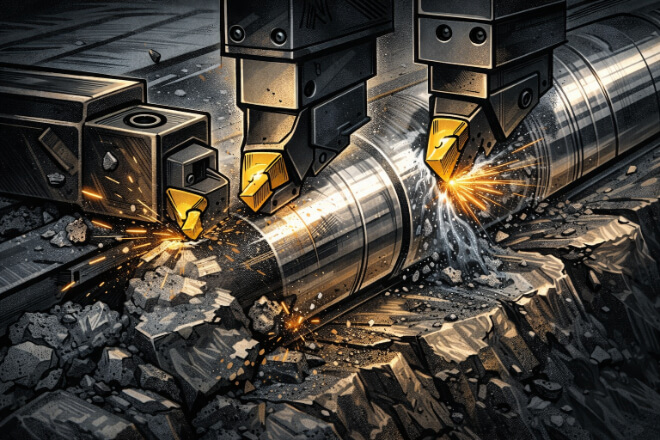
Tungsten carbide is a highly durable material that is used in various cutting tools, including tips for drills, saws, and milling tools.
Its 硬度 is second only to diamonds, which makes it ideal for applications where high wear resistance and long tool life are essential.
The high cost of tungsten carbide tips is often justified by the many benefits they offer, such as:
高い 耐摩耗性: Tungsten carbide tips last longer than tools made from softer materials, which reduces the frequency of tool replacements.
Ability to Withstand High Temperatures: Tungsten carbide can withstand extreme heat, making it ideal for cutting hard materials at high speeds.
Precision and Performance: Tungsten carbide tips provide high precision and smooth finishes, especially in demanding machining operations.
However, these benefits come at a cost, and understanding what contributes to that price is important for companies seeking to balance performance and cost.
Key Factors Influencing the Cost of Tungsten Carbide Tips
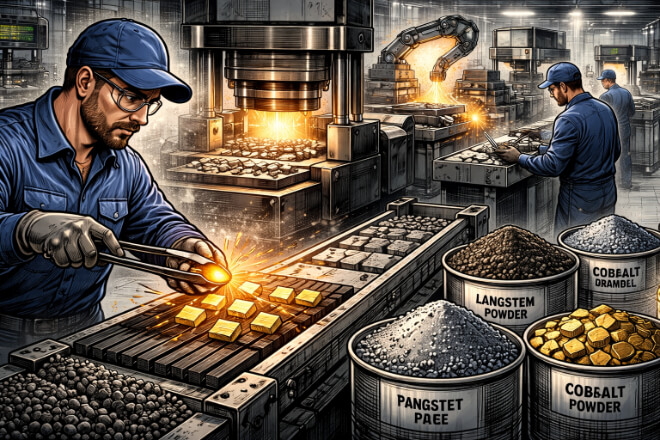
Several factors impact the price of tungsten carbide tips, and it’s essential for companies to understand these factors when evaluating the cost-effectiveness of carbide tools. Some of the primary factors include:
1). Material Quality
The quality of the tungsten carbide material used in the production of the tips can significantly affect their cost.
Higher-quality carbide alloys tend to be more expensive, but they also offer better performance, longer tool life, and superior resistance to wear.
2). Production Method
Tungsten carbide tips are manufactured through a complex process that includes mixing tungsten powder with a binder material, pressing, and sintering at high temperatures.
The precision of the production process, including the use of advanced machinery and technology, will impact the final cost of the tips.
More precise manufacturing techniques result in higher-quality tools that can justify a higher price.
3). Coatings and Surface Treatments
Many tungsten carbide tips are coated with materials such as titanium nitride (TiN) or diamond-like carbon (DLC) to improve their performance and extend their lifespan.
While these coatings increase the cost of the tips, they also enhance tool durability and reduce wear.
For industries that rely on high-performance tools, the added cost of coatings may be justified by the longer tool life and reduced downtime.
4). Volume and Customization
The cost of tungsten carbide tips can also vary depending on the quantity purchased and whether the tips are customized for specific applications.
Bulk orders typically offer lower prices per unit, while custom-made carbide tips may come at a premium due to the additional design and manufacturing efforts required.
The Impact of Supply and Demand on Tungsten Carbide Prices

As with many industrial materials, the cost of タングステンカーバイドチップ is influenced by supply and demand dynamics. Tungsten is a rare and valuable metal, and its price can fluctuate depending on factors such as:
Raw Material Availability: The availability of tungsten ore, which is mined primarily in China, plays a significant role in the price of tungsten carbide. Any disruptions in supply or increased demand can lead to price increases.
Global Market Trends: Global economic conditions, such as demand from the mining or manufacturing industries, can influence tungsten prices, which directly impacts the cost of carbide tips.
Geopolitical Factors: The geopolitical situation in key tungsten-producing regions can affect the cost of raw materials, leading to price volatility.
By keeping track of market trends, businesses can anticipate price changes and adjust their purchasing strategies accordingly.
How to Manage the Cost of Tungsten Carbide Tips

While the cost of tungsten carbide tips can be high, there are strategies that businesses can use to manage these costs without sacrificing performance. Here are some ways to keep costs under control:
Regular Maintenance and Reconditioning:
Instead of replacing worn-out tips, companies can recondition carbide tools through sharpening, grinding, or coating.
Reconditioning can significantly extend the life of carbide tools, reducing the need for frequent replacements.
Bulk Purchasing:
Buying in bulk can lower the unit price of carbide tips, making it a cost-effective option for businesses that require large quantities of tools.
Careful Selection of Tools:
Companies should match the right carbide tip to the application. Over-specifying tools for less demanding tasks can result in unnecessary costs.
Choosing the appropriate tool for each job can help avoid paying for unnecessary features and performance capabilities.
Negotiate with Suppliers:
For large orders, negotiating with suppliers for discounts or better pricing can help reduce the overall cost.
It’s also important to consider the total cost of ownership, including factors like tool lifespan and reconditioning potential.
The Total Cost of Ownership for Tungsten Carbide Tips

The total cost of owning and operating tungsten carbide tips goes beyond the initial purchase price. Here are a few factors that contribute to the total cost of ownership:
工具寿命:
The longer the tool lasts, the lower the total cost of ownership. Higher-quality tips may cost more upfront but will often provide better value over time due to their extended lifespan and fewer replacements.
Performance and Efficiency:
Tungsten carbide tips that maintain a sharp cutting edge and resist wear can improve the overall efficiency of operations, leading to cost savings in terms of energy and time.
Downtime and Maintenance:
Frequent tool replacements or breakage can result in increased downtime and maintenance costs. By investing in higher-quality carbide tips, companies can minimize these additional expenses.
By considering the total cost of ownership, companies can make more informed decisions about investing in tungsten carbide tips and optimize their operations for cost savings.
 English
  Español
  简体中文
简体中文  Français
  日本語
日本語  한국어
한국어  العربية
  Tiếng Việt