
Why Tungsten Carbide Tips Still Need Regular Inspection
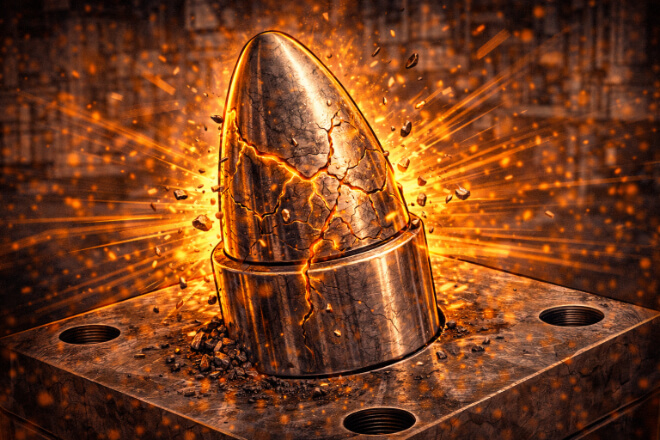
Tungsten carbide is extremely hard, but it is not indestructible.
Tips work under high impact, heat, pressure, and vibration. Small defects can grow silently until sudden failure happens.
Regular inspection helps to:
Detect early wear and damage
Avoid sudden tool breakage
Keep cutting or drilling performance stable
Reduce emergency replacements
For decision-makers, inspection is a low-cost action with high return.
Common Problems That Inspections Can Detect Early

Many serious failures start as very small issues. Without inspection, these issues are easy to miss.
Typical Problems Found During Inspection
Edge chipping
Surface scratches or grooves
Micro-cracks
Uneven or abnormal wear
Heat discoloration
Finding these problems early allows corrective action before damage spreads.
Visual Inspection as the First Line of Defense

Visual inspection is the simplest and most widely used inspection method. It requires no advanced tools and can be done during routine maintenance.
What to Look For
Changes in edge shape
Rough or uneven surfaces
Small cracks near the cutting edge
Color changes caused by overheating
Visual checks should be quick, frequent, and consistent.
Dimensional Checks and Measurement Tools

Visual inspection alone is not always enough. Dimensional checks help detect wear that cannot be seen easily.
Common Measurement Tools
ノギス
マイクロメートル
Gauges
Measuring diameter, length, and edge geometry helps confirm whether the tip is still within acceptable limits.
How Inspection Helps Prevent Secondary Equipment Damage

A damaged tungsten carbide tip does not only affect itself. It can damage:
Tool holders
Shafts
Workpieces
Entire machines
Regular inspection prevents small defects from causing chain reactions that lead to expensive repairs.
The Cost Advantage of Early Detection
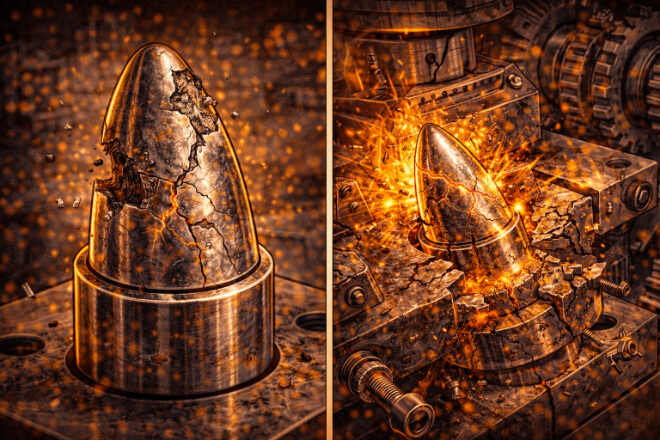
Replacing a worn tip is far cheaper than dealing with machine failure or production loss.
Inspection Helps Reduce Costs By
Extending usable tool life
緊急停止を回避する
Improving production stability
Reducing scrap and rework
For management teams, inspection is a cost-control strategy.
Training Operators to Perform Effective Inspections

Inspection quality depends heavily on people. Operators and technicians should know what to look for.
Key Training Focus Areas
Identifying early wear signs
Understanding acceptable wear limits
Knowing when to stop and replace a tip
Recording inspection results
Well-trained staff turn inspection into a routine habit, not a special task.
Creating a Simple Inspection Record System

Inspection results should not stay in someone’s memory. Simple records help track trends.
What to Record
Operating hours
Wear type
Replacement timing
Failure reasons
Over time, these records support better tool selection and process improvement.
 English
  Español
  简体中文
简体中文  Français
  日本語
日本語  한국어
한국어  العربية
  Tiếng Việt