
Understanding Tungsten Carbide Tips and Their Common Issues
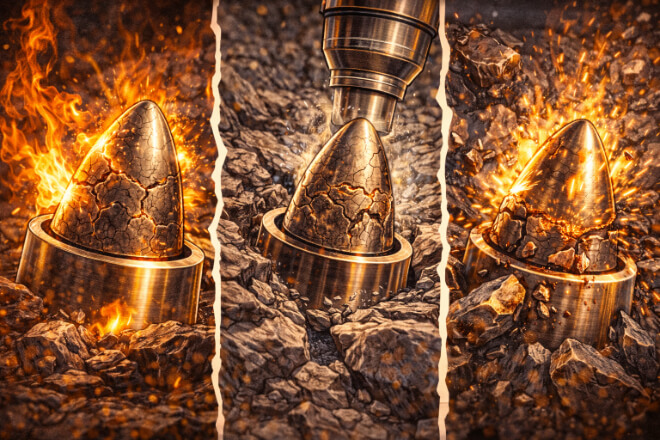
Tungsten carbide tips are essential in many industrial applications, thanks to their 硬度 and ability to withstand extreme conditions.
These tips are used in industries such as 採掘, metalworking, and drilling. However, even though they are incredibly durable, they are not immune to wear and breakage.
The main issues that tungsten carbide tips face include:
Wear: Gradual loss of material due to friction, abrasion, and impact.
Breakage: Sudden failure due to excessive impact, incorrect handling, or manufacturing defects.
Identifying the early signs of wear and breakage is key to extending the life of carbide tools and maintaining their performance.
Signs of Wear in Tungsten Carbide Tips

Wear is a common issue that affects tungsten carbide tips. Over time, the cutting edges become dull, which leads to decreased performance and efficiency. Here are some common signs of wear in tungsten carbide tips:
Dulling of the Cutting Edge: The most obvious sign of wear, where the sharp edges of the carbide tip begin to round off.
Surface Irregularities: Abrasive wear can cause small pits, grooves, or cracks on the surface of the carbide tip.
Increased Cutting Force: If the tool is working harder than usual, it can be a sign that the carbide tip has worn down.
Poor Surface Finish: The workpiece may exhibit rough edges or poor surface quality as a result of worn tips.
Common Causes of Breakage in Tungsten Carbide Tips
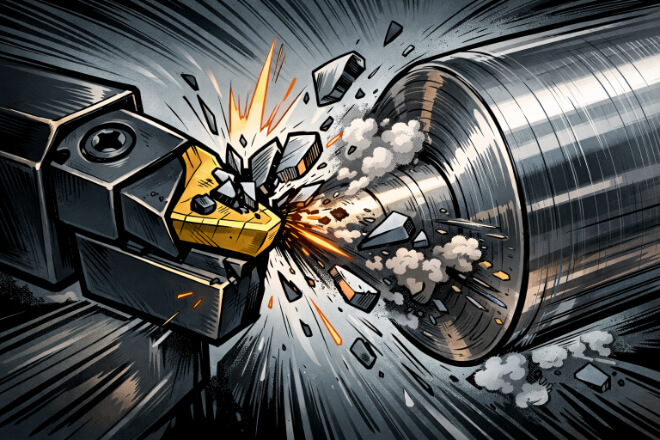
In addition to wear, carbide tips may break due to several factors, often linked to external forces or improper handling. Common causes of breakage include:
Excessive Impact: Sudden shocks or heavy impact during operation can cause carbide tips to fracture or chip.
Incorrect Installation or Handling: Improper mounting or dropping the tip can result in cracks or chips.
Thermal Stress: High temperatures generated during use can cause the carbide to expand, leading to thermal shock and breakage if cooled too quickly.
Poor Quality Material: Defects in the manufacturing process can lead to weak spots in the carbide, making it prone to breakage.
Understanding the root causes of breakage is important for preventing future issues and ensuring the longevity of carbide tips.
How to Prevent Wear in Tungsten Carbide Tips
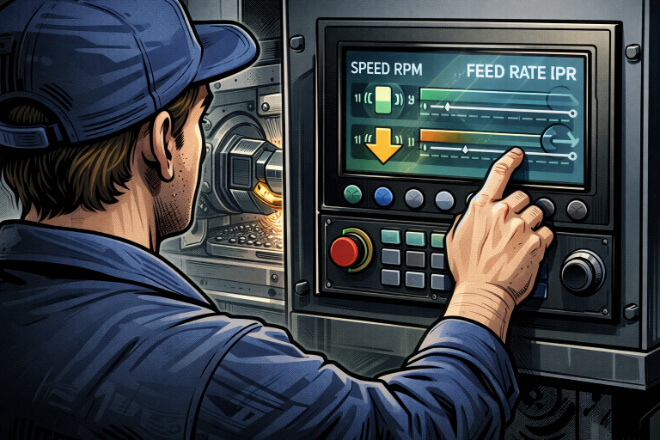
Preventing wear is key to maximizing the lifespan of tungsten carbide tips. While wear is inevitable over time, proper care and usage can help minimize its effects. Here are some best practices to reduce wear:
Use Proper Cutting Parameters: Ensure that the cutting speed, feed rate, and depth of cut are within the recommended ranges to avoid excessive wear.
Apply Lubrication: Using proper coolant or lubrication during cutting can reduce friction and wear, keeping the carbide tips cooler.
Maintain the Correct Angle: Keeping the correct cutting angle can help distribute the load evenly across the carbide tip, reducing localized wear.
Monitor the Workpiece Material: Some materials can cause excessive wear on carbide tips. Always match the carbide tip to the appropriate material for optimal performance.
How to Prevent Breakage in Tungsten Carbide Tips

Preventing breakage is equally important to maintain the performance and reliability of carbide tips. Here are steps to minimize the risk of breakage:
Proper Installation: Ensure that the carbide tips are correctly mounted on the machinery and that there is no unnecessary force applied during installation.
Avoid Sudden Shocks: Prevent carbide tips from being subjected to sudden impact or vibration, as this can lead to cracks or fractures.
Control Temperature: Avoid rapid temperature changes when using carbide tips. Ensure that the tool is not exposed to extreme thermal gradients that could cause thermal shock.
Use the Right Tool for the Job: Always use carbide tips suited for the specific application. Using a tool that is not designed for the material or operation can result in excessive stress on the tool.
Troubleshooting Wear and Breakage in Tungsten Carbide Tips
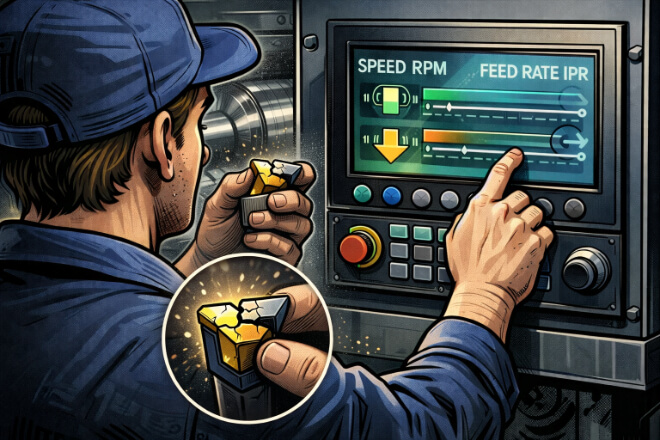
When wear or breakage occurs, troubleshooting the issue effectively can help avoid further damage. Here’s a step-by-step guide for handling these problems:
Step 1: Inspect the Tip: Check the carbide tip for signs of wear or breakage. Look for dull edges, chips, cracks, or missing pieces.
Step 2: Assess the Cause: Determine the cause of wear or breakage by reviewing the machining parameters, material being cut, and the condition of the equipment.
Step 3: Replace or Recondition: If the carbide tip is severely worn or broken, it may need to be replaced or reconditioned to restore its performance.
Step 4: Adjust Work Processes: Once the issue has been identified and corrected, review your operational processes to prevent future wear or breakage.
 English
  Español
  简体中文
简体中文  Français
  日本語
日本語  한국어
한국어  العربية
  Tiếng Việt