
What Are Tungsten Carbide Tips?

Tungsten carbide tips are cutting or 摩耗部品 made from tungsten carbide, a very hard material formed by combining tungsten and carbon. These tips are usually brazed or mechanically fixed onto steel tool bodies.
In metalworking, tungsten carbide tips are widely used in:
Drilling tools
Turning tools
The main reason for their use is simple: they last much longer than steel tips and keep a sharp cutting edge even under heavy load.
From a business point of view, this means fewer tool changes, more stable production, and better control of tooling costs.
Why Tungsten Carbide Is Ideal for Metalworking

Metalworking processes involve friction, pressure, and heat. Not all materials can handle these conditions well. Tungsten carbide stands out because of its unique physical properties.
Key reasons why tungsten carbide works well in metalworking:
非常に高い 硬度
強い resistance to wear and abrasion
Good performance at high temperatures
Stable cutting edges over long periods
Compared with high-speed steel, tungsten carbide tips can cut harder metals at higher speeds without losing shape. This makes them suitable for both rough machining and precision finishing.
Superior Cutting Performance in Metalworking Tools
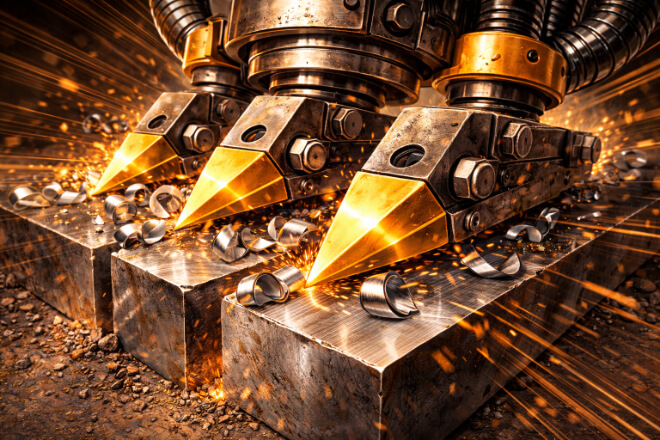
One of the biggest advantages of tungsten carbide tips is consistent cutting performance. A sharp and stable cutting edge allows tools to work faster and more accurately.
Benefits for cutting operations include:
よりクリーンなカット
Reduced vibration
表面仕上げの向上
More predictable machining results
Because tungsten carbide tips do not dull quickly, cutting quality stays stable over time. This is especially important for automated production lines, where tool reliability directly affects output quality.
For decision-makers, stable cutting performance means fewer rejected parts and less time spent on quality correction.
Excellent Abrasion Resistance in Harsh Conditions
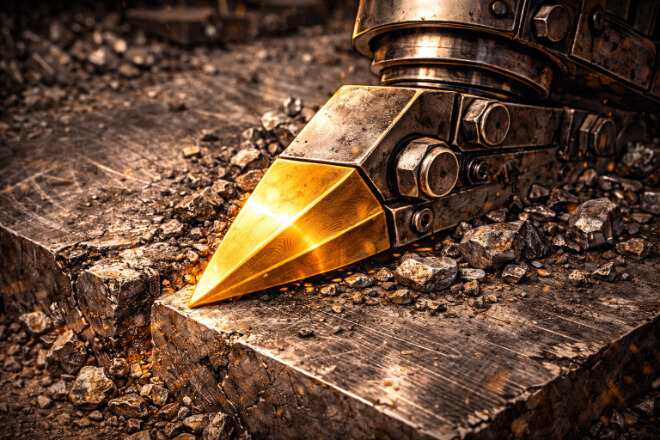
Abrasion is a major cause of tool wear in metalworking, especially when cutting:
Cast iron
ステンレス鋼
High-alloy steels
Hard metals
Tungsten carbide tips have excellent abrasion resistance due to their dense and hard structure.
They resist material loss even when exposed to continuous friction and hard particles.
This abrasion resistance helps:
Extend tool service life
Reduce edge rounding
Maintain dimensional accuracy
In real production environments, this means tools can stay in service longer without compromising performance.
Tool Life Extension and Cost Efficiency
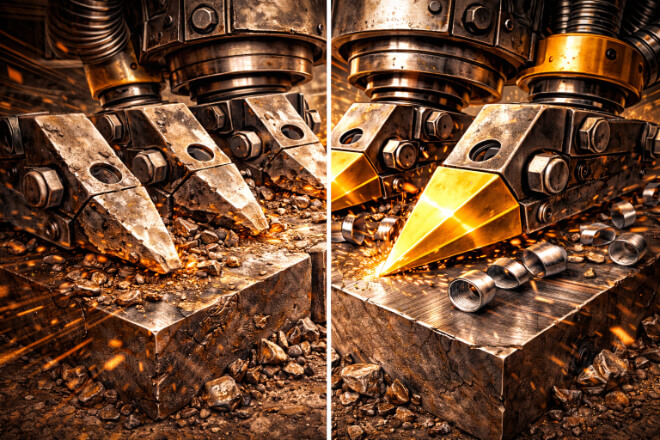
Longer tool life is not just a technical advantage; it is a financial one. Tungsten carbide tips may cost more at the start, but they often reduce total tooling cost over time.
Cost benefits include:
Fewer tool replacements
Lower inventory needs
Reduced machine downtime
Less labor for tool changes
For metalworking companies focused on cost control and efficiency, tungsten carbide tips offer a strong return on investment.
Tool Life Comparison Table
Applications of Tungsten Carbide Tips in Metalworking
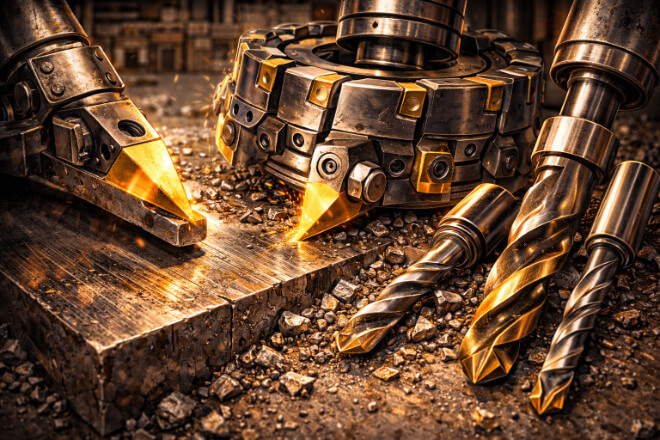
Tungsten carbide tips are used across many metalworking applications. Their flexibility makes them suitable for both light and heavy-duty tasks.
Common applications include:
Turning tools for lathes
Milling cutters for surface machining
Drilling tools for hard metals
Cutting tools for sheet metal
Wear parts in forming tools
They are used in industries such as:
This wide application range makes tungsten carbide tips a reliable choice for companies serving different metalworking markets.
Performance at High Cutting Speeds
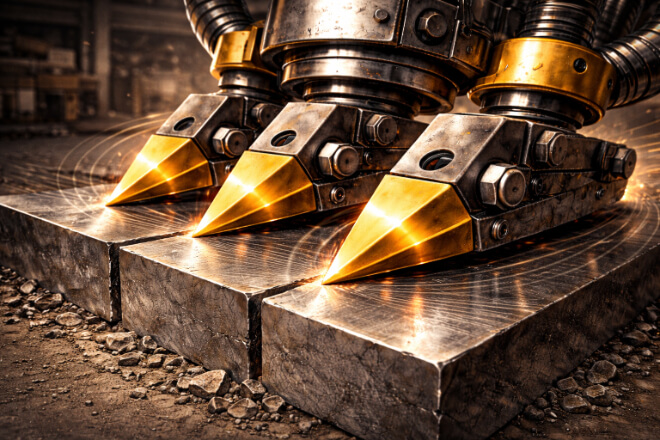
Modern metalworking demands higher cutting speeds to increase productivity. Tungsten carbide tips perform well under these conditions.
At high speeds, they offer:
Better heat resistance
Reduced edge deformation
Stable cutting geometry
Unlike softer materials, tungsten carbide maintains its 硬度 even when temperatures rise during cutting.
This allows faster machining without sacrificing tool life. For decision-makers, this means higher output without increasing risk.
Choosing the Right Tungsten Carbide Tip Grade
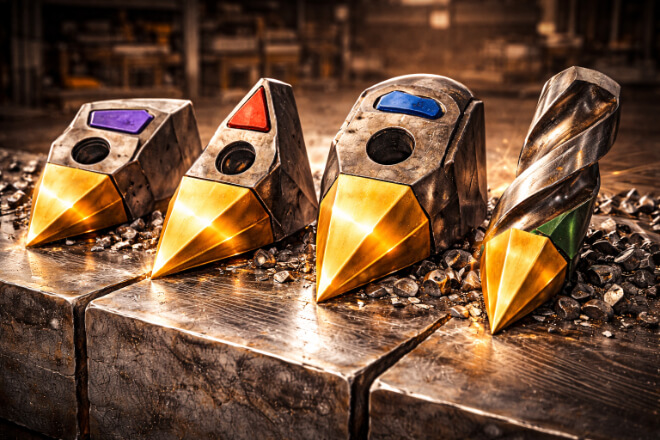
Not all tungsten carbide tips are the same. Different grades are designed for different tasks. The grade usually depends on:
Fine-grain carbide tips are often used for precision cutting, while tougher grades are better for impact-heavy operations.
When selecting tungsten carbide tips, it is important to consider:
Type of metal being machined
Cutting speed and load
Required surface finish
Tool geometry
Working with an experienced supplier helps ensure the right grade is chosen for each application.
Maintenance and Handling Best Practices
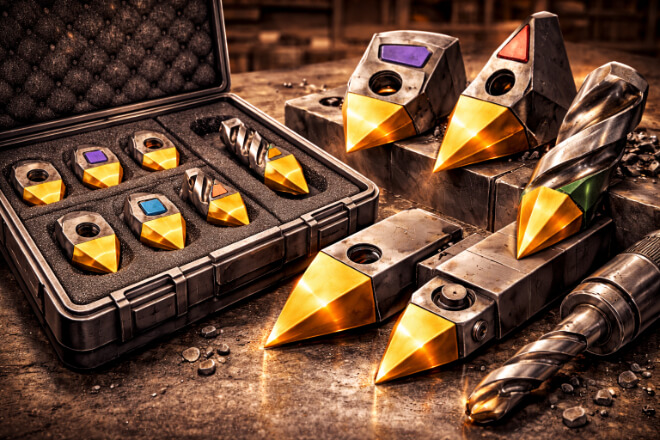
Even the best tools need proper handling. Correct use and maintenance help tungsten carbide tips reach their full service life.
Best practices include:
Avoiding sudden impact or dropping
Using correct cutting parameters
Ensuring proper tool alignment
Storing tools in dry, protected areas
Although tungsten carbide is very hard, it can be brittle if misused. Proper handling protects the investment and ensures safe operation.
 English
  Español
  简体中文
简体中文  Français
  日本語
日本語  한국어
한국어  العربية
  Tiếng Việt