
Harsh Working Conditions in Agricultural Operations
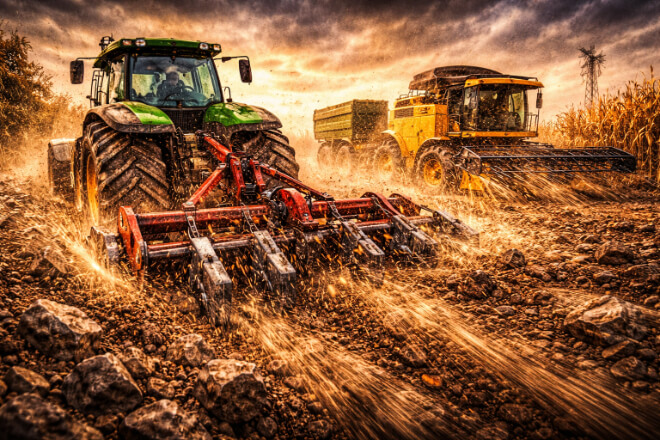
Agricultural tools operate directly in contact with the ground. Unlike controlled factory environments, field conditions change constantly.
Common challenges include:
Abrasive soil with sand and grit
Hidden rocks and hard debris
Moisture, mud, and chemicals from fertilizers
Long operating hours during peak seasons
Standard steel tips wear fast under these conditions, leading to frequent replacements and lost productivity.
Why Tungsten Carbide Tips Perform Better Than Steel
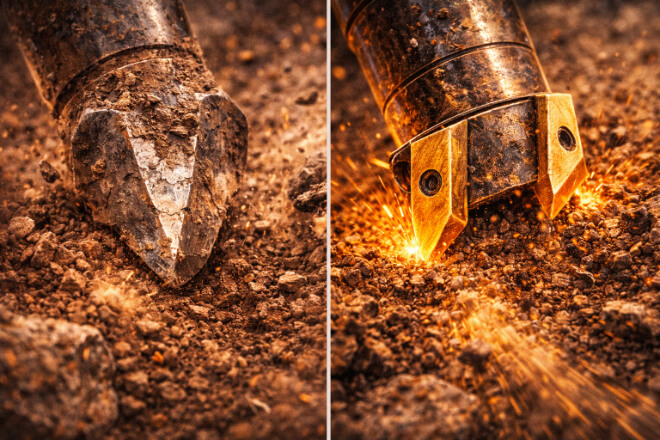
Tungsten carbide tips are much harder than regular steel. This hardness allows them to resist wear even when cutting through soil mixed with sand and small stones.
Key performance advantages:
Slower edge wear
Better resistance to scratching and erosion
Stable shape over long use
For agricultural equipment, this means tools stay effective longer without constant adjustment.
Improved Wear Life in Soil and Sand
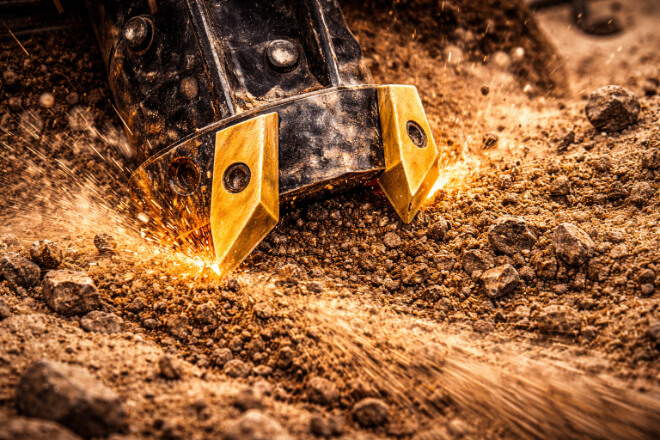
Soil abrasion is the main cause of failure for agricultural wear parts. Every pass through the ground removes material from the tool edge.
Reduce material loss during soil contact
Maintain sharp working edges longer
Perform well in both dry and wet soil
This extended wear life directly lowers replacement frequency.
Better Impact Resistance Against Rocks and Debris
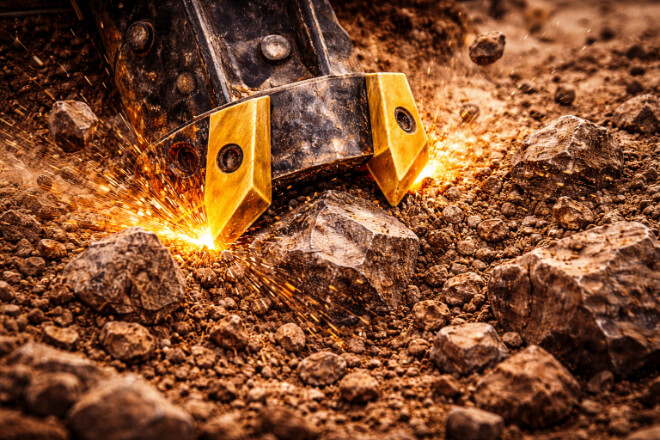
Fields often contain stones that are not visible from the surface. When tools strike these objects, impact damage can occur.
Properly selected tungsten carbide grades offer:
Strong resistance to chipping
Better load distribution at the tip
Reduced cracking compared to brittle materials
This improves tool reliability during unpredictable field conditions.
Maintaining Cutting Efficiency Over Long Operating Hours
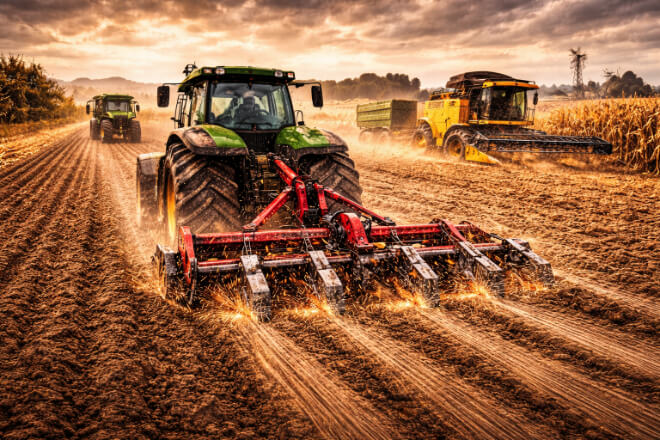
Agricultural work often involves long, continuous operation. As tool edges wear, cutting efficiency drops and fuel consumption increases.
Tungsten carbide tips help by:
Keeping a consistent cutting profile
Reducing drag during soil penetration
Supporting stable machine performance
This allows equipment to work efficiently throughout long shifts.
Reduced Downtime During Critical Farming Seasons
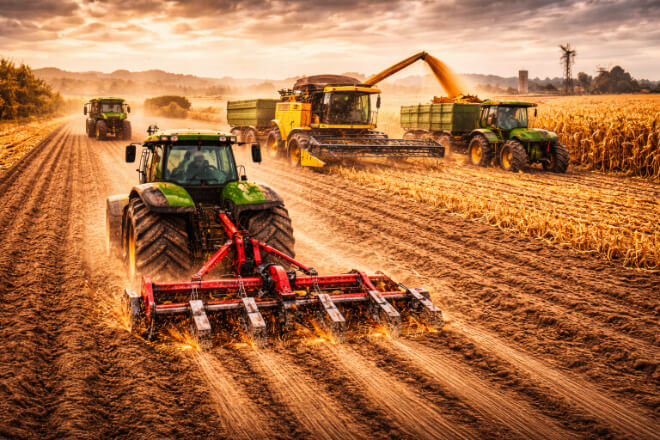
Downtime during planting or harvesting can delay operations and reduce yield. Frequent tool changes increase labor costs and interrupt workflow.
Using tungsten carbide tips helps:
Extend service intervals
Reduce emergency replacements
Improve operational planning
For decision-makers, this means better equipment availability when timing matters most.
Common Agricultural Equipment Using Tungsten Carbide Tips
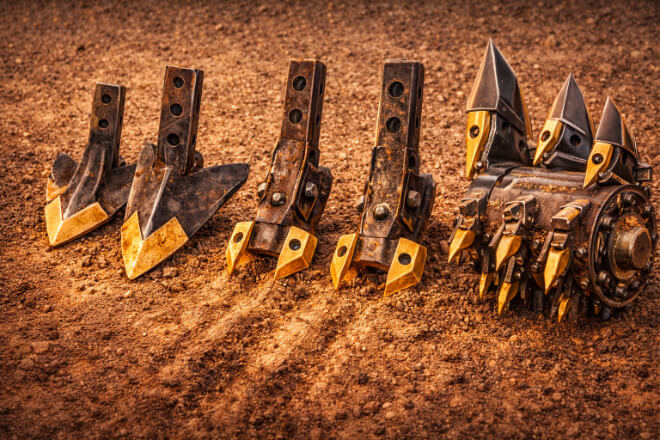
Tungsten carbide tips are widely used in:
Plow points and cultivator tools
Tillage and soil preparation equipment
Harvesting and cutting components
Wear parts exposed to soil abrasion
Their use continues to grow as farms move toward higher efficiency and lower maintenance costs.
Cost Efficiency Over the Equipment Lifetime
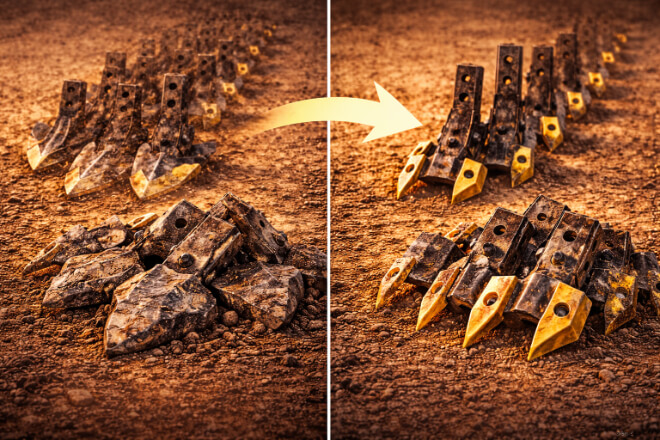
Although tungsten carbide tips have a higher initial cost than steel, the total cost over time is often lower.
Long-term benefits include:
交換品の減少
Less machine downtime
Lower labor and service costs
When evaluated over a full season or equipment life cycle, carbide-tipped tools often deliver better value.
 English
  Español
  简体中文
简体中文  Français
  日本語
日本語  한국어
한국어  العربية
  Tiếng Việt