텅스텐 카바이드 부싱 are known for their durability and 내마모성, making them essential for high-performance applications.
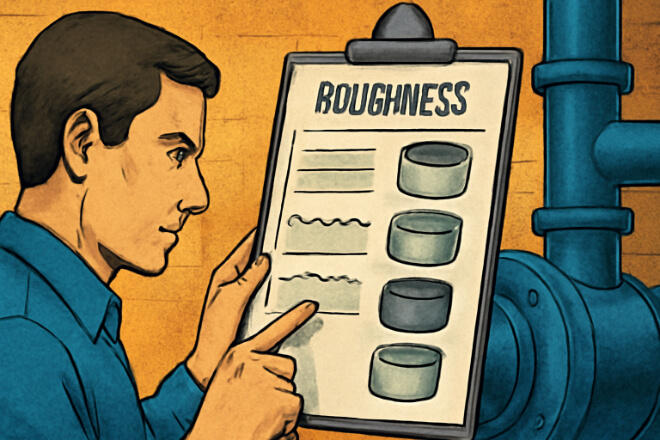
One key factor that affects their performance is the surface roughness of the bushing bores. Proper surface roughness ensures reduced friction, better lubrication, and longer service life.
This article will discuss the importance of surface roughness for tungsten carbide bushings, the recommended roughness values, and how to achieve the best surface finish for optimal performance.
What is Surface Roughness?

Surface roughness refers to the microscopic variations in the surface texture of a material.
It is measured in terms of Ra (average roughness), which quantifies the average deviation of the surface from a nominal surface.
For tungsten carbide bushings, the surface roughness of the bore affects how well the bushing interacts with the shaft, how much friction is generated, and how quickly the components wear down.
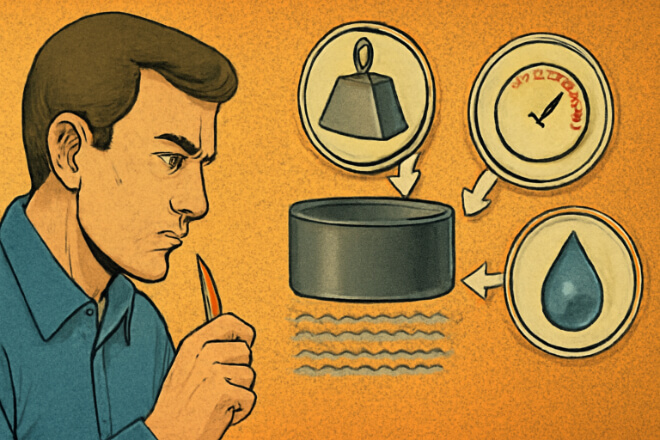
Why Surface Roughness Matters:
Friction: A smoother surface leads to lower friction between the bushing and shaft, reducing wear and energy loss.
내마모성: Proper surface finish helps to ensure a longer lifespan by reducing the rate at which both the bushing and shaft experience damage.
Lubrication efficiency: A smooth surface enhances lubrication, improving the overall efficiency of the system and reducing the likelihood of overheating.
Recommended Surface Roughness Values for Tungsten Carbide Bushing Bores

When selecting the appropriate surface roughness for tungsten carbide bushing bores, it is important to consider the specific application, the type of fluid or material being handled, and the operating conditions.
The surface roughness should be optimized to achieve minimal friction while ensuring the bushing operates smoothly over time.
1). General Guidelines for Surface Roughness:
Pump and valve systems:
For applications like pumps and valves, the recommended Ra value for tungsten carbide bushing bores is typically 0.2 µm to 0.4 µm.
High-speed applications:
In high-speed machinery or pumps, a smoother finish with an Ra of 0.05 µm to 0.1 µm is often recommended to reduce friction and heat generation.
Heavy-duty or abrasive applications:
For systems involving abrasive materials, a slightly rougher surface may be necessary to provide better lubrication and reduce the risk of galling.
In these cases, a surface roughness of 0.4 µm to 0.6 µm may be more appropriate.
2). How to Achieve the Right Surface Roughness:
To achieve the desired surface finish, various machining and finishing processes can be used, including:
Grinding: Precision grinding is often used to achieve the required surface roughness for tungsten carbide bushing bores.
Polishing: Polishing the surface can further reduce roughness and is especially useful for high-speed or precision applications.
Lapping: Lapping is a final finishing process used to achieve extremely smooth surfaces, typically in the 0.05 µm to 0.1 µm range.
The Impact of Surface Roughness on Performance

The surface roughness of the 텅스텐 카바이드 부싱 bore directly impacts the performance of the entire system. Below are some of the ways surface roughness influences the bushing’s functionality:
1). Friction and Wear:
A smoother bore surface reduces the friction between the bushing and shaft. Lower friction results in:
Reduced wear on both the bushing and the shaft, leading to a longer lifespan for both components.
Improved energy efficiency, as less energy is lost to friction.
Reduced heat generation, which helps prevent overheating and ensures the system operates at optimal temperatures.
2). Lubrication Efficiency:
Proper surface roughness helps maintain an adequate lubrication film between the bushing and shaft.
This lubrication film is critical for reducing wear and preventing metal-to-metal contact.
If the surface is too rough, it can disrupt the lubrication layer, leading to increased friction and wear.
3). Seal Integrity:
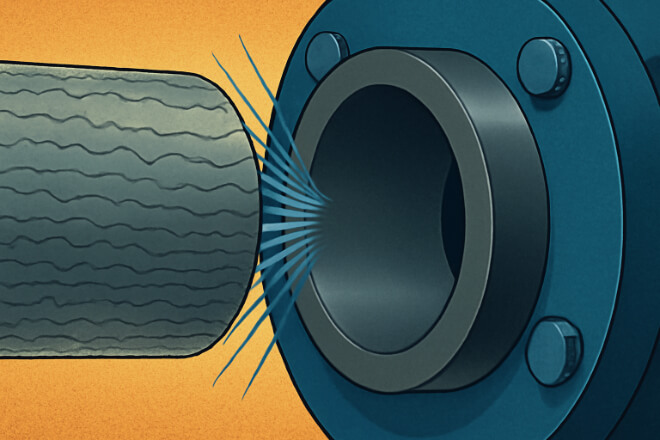
In some applications, the surface roughness of the bushing bore also affects the sealing performance.
A smoother bore can improve the sealing effect, preventing leakage and enhancing the system’s overall performance.
Factors to Consider When Choosing Surface Roughness

When deciding on the appropriate surface roughness for a tungsten carbide bushing bore, several factors need to be taken into account:
Key Factors to Consider:
Application type: Whether the bushing is used in a high-speed, high-load, or abrasive environment, the required surface roughness will vary.
Lubrication: The type and effectiveness of the lubrication used in the system can influence the surface roughness requirement.
Material type: The material of the shaft and the bushing, as well as the working environment (e.g., presence of slurry, chemicals, or high temperatures), will affect the choice of surface finish.
Manufacturing capabilities: Achieving ultra-smooth finishes requires advanced manufacturing techniques, so it is important to select a roughness that can be achieved within the capabilities of the production process.
Common Surface Finish Issues and Solutions

Even with precise machining, issues with surface roughness can arise, affecting the performance of the tungsten carbide bushing. Below are some common issues and how to address them:
1). Common Issues:
Uneven surface: Inconsistent grinding or polishing can lead to uneven surface finishes, which may cause uneven wear or friction.
Overly smooth surfaces: While smooth surfaces are desirable, overly smooth finishes can sometimes cause lubrication problems. In high-pressure systems, a slight roughness may be needed to maintain a lubrication layer.
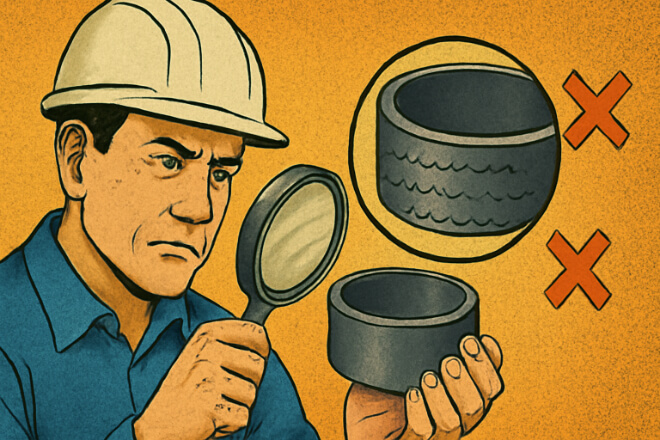
Surface imperfections: Scratches, pits, or cracks can occur during machining and can affect the bushing’s performance. It’s important to inspect the surface finish carefully during quality control.
2). Solutions:
Use precision grinding and lapping techniques to achieve uniform surface finishes.
Regularly monitor the machining process and adjust settings to maintain consistent surface roughness.
Apply protective coatings to prevent surface damage and wear in abrasive environments.
결론
The surface roughness of tungsten carbide bushing bores is crucial for ensuring optimal performance and extending the service life of the equipment.
By choosing the right surface finish, you can reduce friction, minimize wear, and improve lubrication efficiency.
By following the recommended surface roughness values for specific applications and considering factors such as load, speed, and lubrication, companies can achieve more efficient, durable systems.
Proper surface finish ensures that tungsten carbide bushings continue to perform at their best, even in harsh conditions.
회사에 대한 자세한 내용을 알고 싶으시면 언제든지 문의해 주세요. 문의하세요.