
What Is Counterface Damage in Tungsten Carbide Bushings?
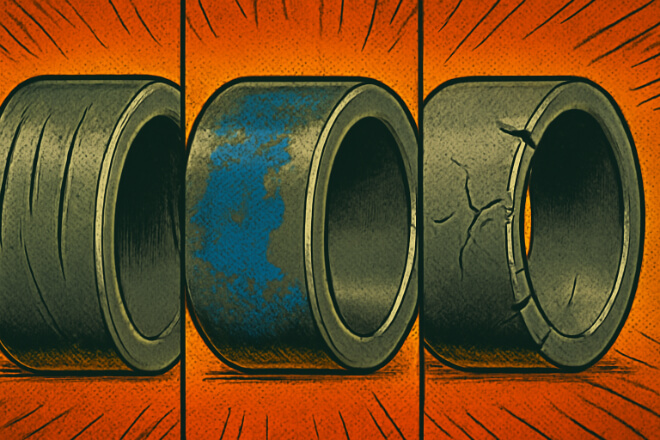
Counterface damage occurs when the mating surface, such as the shaft or housing, wears down and interacts negatively with the tungsten carbide bushing.
These interactions can lead to surface degradation, wear, and sometimes catastrophic failure if not properly managed.
Types of Counterface Damage:
Abrasion: Occurs when hard particles or rough surfaces grind against the bushing.
Adhesion: Happens when materials transfer from the counterface to the bushing, causing surface roughness.
Corrosion: Occurs when the counterface or bushing is exposed to harsh chemicals or moisture.
Fatigue: Happens after repeated stress cycles, leading to cracks or fractures in the bushing.
Understanding these damage modes helps in taking preventive measures and improving bushing lifespan.
Abrasive Damage: How Roughness and Particles Contribute
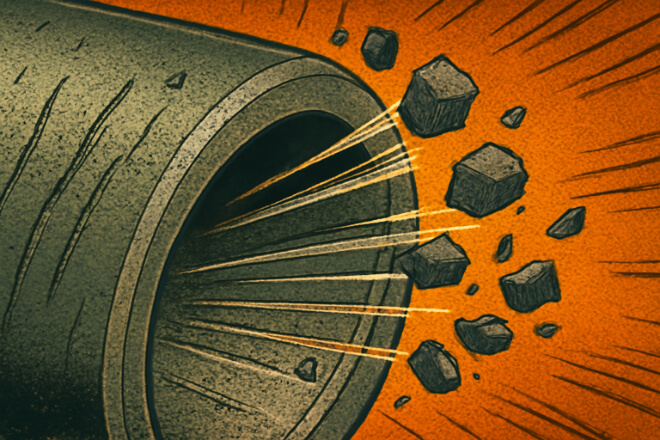
Abrasive damage is one of the most common types of counterface damage in tungsten carbide bushings.
It occurs when rough particles or a rough counterface create friction and wear on the bushing surface.
Causes of Abrasive Damage:
Contaminants: Dirt or hard particles that enter the system can scratch the bushing surface.
Rough Counterfaces: A poorly finished shaft or housing with rough surfaces can create constant abrasion.
High-velocity Slurries: In pumps or compressors handling abrasive materials, particles can act like sandpaper on the bushing.
Adhesive Wear: When Material Transfers Between Surfaces
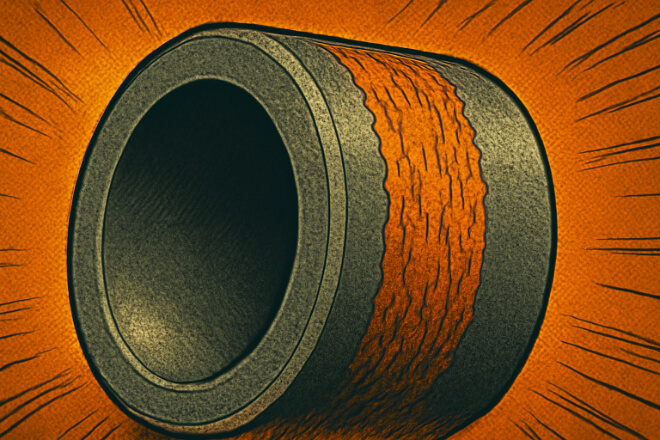
Adhesion occurs when the mating surface, such as the shaft, leaves material behind on the tungsten carbide bushing.
This can happen when there is too much friction, poor lubrication, or when the surfaces are incompatible.
How Adhesive Wear Happens:
Lack of Lubrication: Insufficient lubrication increases friction, causing material transfer from the counterface to the bushing.
High Load Conditions: Excessive pressure on the bushing can lead to surface bonding between the counterface and the bushing.
Adhesive wear leads to a rough surface and reduces the performance of the bushing.
It can also cause galling, where the bushing surface becomes damaged due to the bonding and scraping of material.
Corrosion Damage: When Chemicals or Moisture Attack the Surface
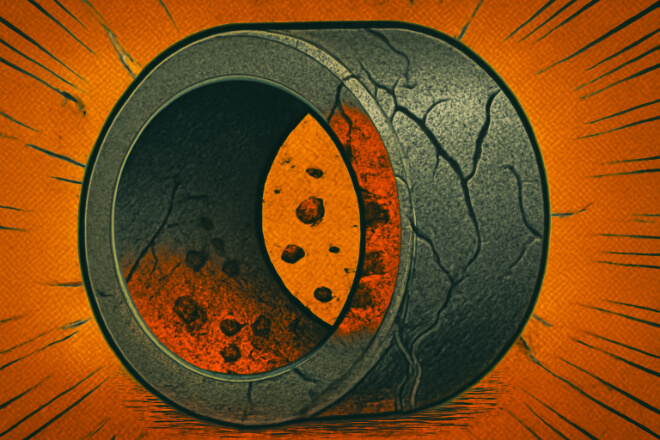
Corrosion occurs when the tungsten carbide bushing is exposed to harsh chemicals, moisture, or other corrosive agents.
While WC bushings are generally resistant to corrosion, exposure to aggressive fluids can still lead to wear and eventual failure.
Factors That Contribute to Corrosion:
Aggressive Chemicals: High acidity or alkalinity in the fluid can attack the bushing surface.
Water and Moisture: Water exposure can lead to rusting and degradation of the bushing surface over time.
Improper Fluid Selection: Incorrect fluid selection for the operating conditions can accelerate corrosion.
Fatigue Damage: Repeated Stress Leading to Cracking
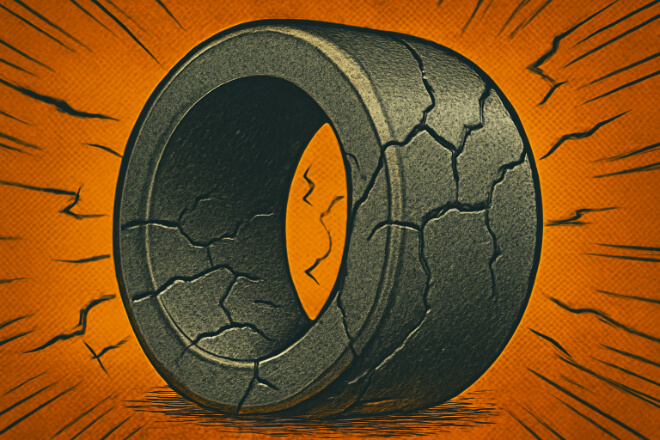
Fatigue occurs after the tungsten carbide bushing has been subjected to repeated loading and unloading cycles.
Over time, this constant stress can lead to microcracks in the bushing, which eventually cause failure.
Causes of Fatigue Damage:
High Cyclic Loads: Frequent changes in load stress can lead to fatigue failure.
Vibration: Constant vibration or shock loading can lead to crack formation.
Misalignment: When the bushing is misaligned, it experiences additional stress, leading to fatigue.
Fatigue damage can be difficult to detect early, as it often starts as tiny cracks that gradually expand.
Best Practices for Preventing Counterface Damage to WC Bushings
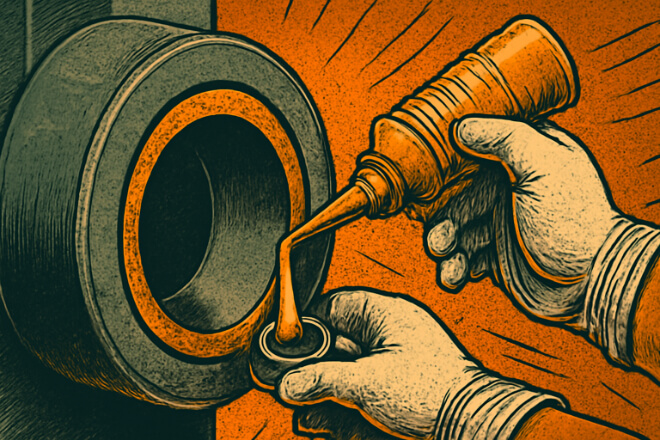
Preventing counterface damage is essential to ensure the longevity of tungsten carbide bushings. Here are some best practices:
1). Regular Inspections
Inspect the bushing and counterface regularly to check for signs of wear, cracks, or surface degradation.
2). Improve Lubrication
Ensure that the system is properly lubricated to reduce friction between the bushing and counterface. Use high-quality lubricants suitable for the application.
3). Use Compatible Materials
Ensure that the materials of the bushing and counterface are compatible. Avoid using soft shafts with hard WC bushings to prevent premature wear.
4). Maintain Proper Alignment
Misalignment increases stress on both the bushing and counterface. Regularly check alignment and make adjustments as needed.
5). Use Protective Coatings
Coatings like TiN, DLC, or other surface treatments can help reduce wear and corrosion on both the bushing and counterface.
 English
  Español
  简体中文
简体中文  Français
  日本語
日本語  한국어
한국어  العربية
  Tiếng Việt