
Why Do Tungsten Carbide Tips Crack or Chip?
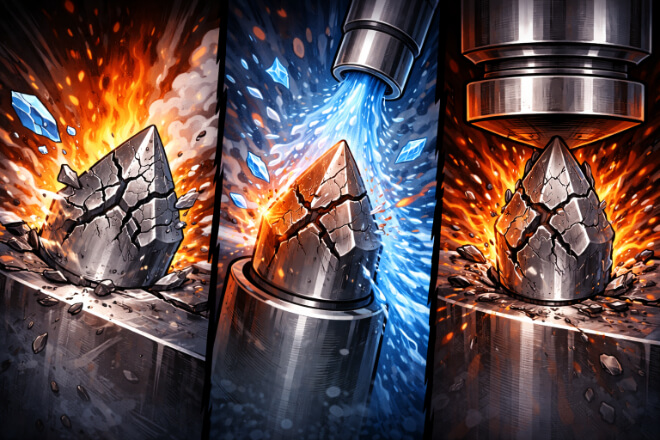
Tungsten carbide tips are incredibly hard, but this 경도 also makes them more brittle, which means they are more susceptible to cracking or chipping under stress.
Several factors contribute to this vulnerability:
High Impact Forces: Tungsten carbide tips may crack or chip when subjected to high impact forces, such as those encountered during drilling or cutting through hard materials.
Thermal Shock: Rapid temperature changes, such as when a hot tool is exposed to a cooling agent, can create internal stresses that cause cracks.
Improper Handling: Dropping or mishandling tungsten carbide tips can lead to cracks or chips, especially when the material is exposed to sudden shocks.
Excessive Load: Applying too much force or using the wrong cutting parameters can cause the carbide tip to crack under pressure.
Understanding these factors is the first step in preventing cracking and chipping of tungsten carbide tips.
Proper Tool Design and Manufacturing
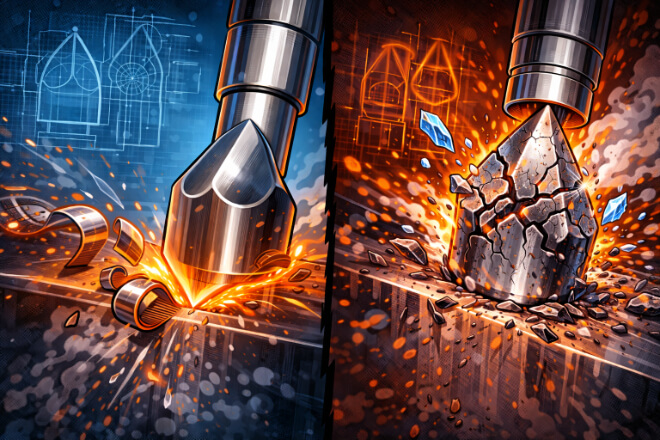
One of the key factors in preventing tungsten carbide tips from cracking or chipping is ensuring proper tool design and manufacturing.
Several design and material factors play a role in increasing the durability of tungsten carbide tips:
Fine-grain tungsten carbide is more resistant to cracking than coarse-grain carbide because the smaller grains distribute stress more evenly.
Opting for fine-grain carbide tips can significantly improve toughness and wear resistance.
바인더 재료:
The binder material used in tungsten carbide also affects its toughness. Cobalt is commonly used as a binder, adding flexibility and 강인함 to the material.
A higher cobalt content can help absorb impact forces, making the tips more resistant to cracking.
Tool Shape and Geometry:
The shape of the tool should avoid sharp edges or thin sections that are prone to cracking.
Rounding edges and using thicker sections where necessary helps distribute stresses more evenly and reduces the likelihood of damage.
표면 마감:
A smooth surface finish helps reduce stress concentrations that could lead to cracking. Tools should be polished to remove any rough spots that might act as stress points.
By paying attention to these factors during the design and manufacturing stages, companies can create more durable tungsten carbide tools.
Proper Handling and Storage of Tungsten Carbide Tips
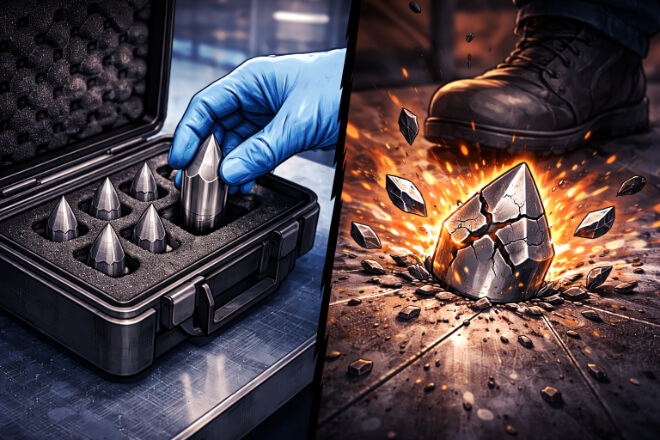
The way tungsten carbide tips are handled and stored can also play a significant role in preventing cracking or chipping.
Proper handling reduces the risk of damage caused by external shocks or rough handling. Here are some tips for handling and storing 텅스텐 카바이드 팁 safely:
Use Protective Packaging: Always store tungsten carbide tips in protective cases or foam inserts to prevent them from being dropped or subjected to shock.
Handle with Care: Avoid dropping tungsten carbide tips onto hard surfaces. Even minor impacts can cause cracks or chips in the material.
Use the Right Tools: When installing or adjusting tungsten carbide tips, use proper tools such as soft hammers or rubber mallets to avoid damaging the tips.
Temperature Control: Store and handle tungsten carbide tips in a temperature-controlled environment to avoid thermal shock. Sudden exposure to extreme temperatures should be avoided.
Proper handling and storage practices are essential for maintaining the integrity of tungsten carbide tips and extending their lifespan.
Proper Cutting Parameters and Techniques
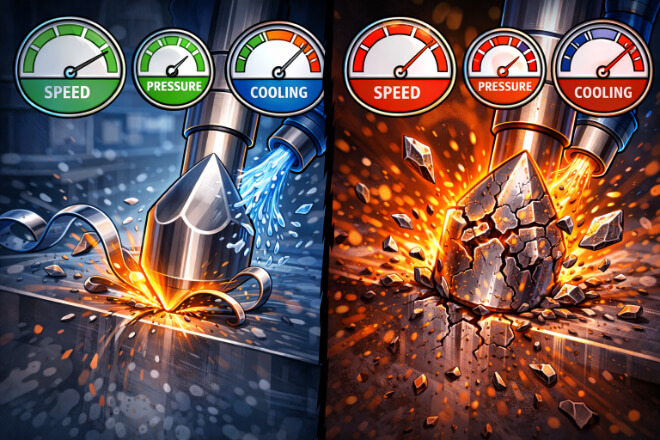
Using the correct cutting parameters is crucial for preventing damage to tungsten carbide tips.
Excessive pressure, speed, or inappropriate cutting angles can result in the tips experiencing undue stress, leading to cracking or chipping. Here’s how to optimize cutting parameters:
절삭 속도:
Ensure that the cutting speed is appropriate for the material being worked on.
Too high of a speed can generate excessive heat, while too low of a speed can cause the tool to engage too much material at once, increasing the risk of cracking.
Feed Rate:
Adjust the feed rate to ensure consistent cutting pressure.
Applying too much pressure can cause the tool to chip or crack, while too little pressure can lead to inefficient cutting and unnecessary wear.
Coolant Use:
Use the right type and amount of coolant to regulate temperature during cutting.
Coolants help dissipate heat and prevent thermal shock, which can cause cracks in tungsten carbide tips.
Tool Alignment:
Ensure that the tool is properly aligned during operation. Misalignment can cause uneven wear, leading to premature failure of the tips.
By following the correct cutting parameters and techniques, the risk of cracking and chipping can be minimized, improving the overall performance of tungsten carbide tips.
Regular Inspection and Maintenance
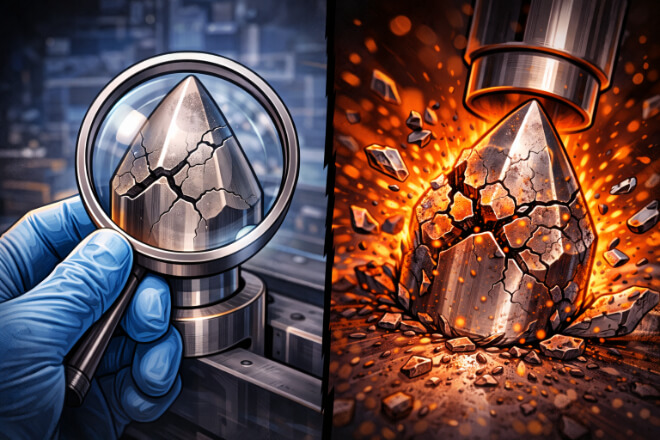
Even with proper design, handling, and use, tungsten carbide tips will eventually experience wear.
Regular inspection and maintenance can help identify cracks or chips early, before they lead to complete failure. Here’s how to keep tungsten carbide tips in optimal condition:
Visual Inspections:
Regularly check the tips for any signs of cracks, chips, or wear. Catching these issues early can help prevent more severe damage.
Re-sharpening:
Tungsten carbide tips should be re-sharpened regularly to maintain their cutting efficiency.
However, it’s important to avoid over-sharpening, which can weaken the tips and make them more susceptible to cracking.
Re-coating:
If the tips are coated, ensure that the coating remains intact.
A damaged coating can expose the carbide material to wear and thermal shock, increasing the likelihood of cracking.
Regular inspections and maintenance will help identify issues before they cause significant damage, ensuring longer tool life.
 English
  Español
  简体中文
简体中文  Français
  日本語
日本語  한국어
한국어  العربية
  Tiếng Việt