
1. Challenges of Hard Material Machining
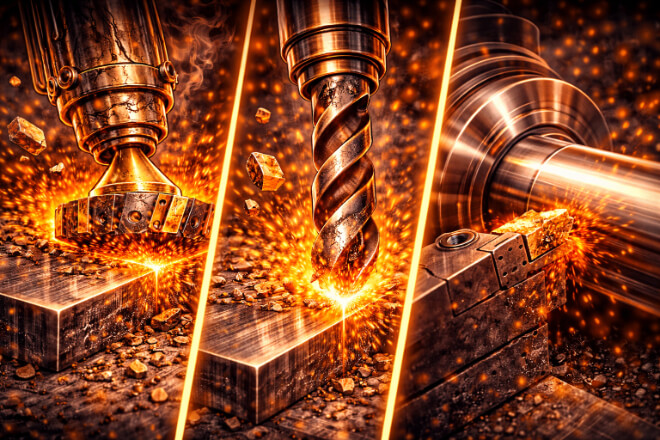
Hard material machining puts heavy demands on cutting tools. Materials like hardened metals, dense wood, and reinforced plastics can quickly wear out standard tools.
Common challenges include:
Fast tool wear
높은 절삭력
Heat buildup
표면 마감이 좋지 않음
잦은 도구 교체
When tools fail early, production slows down and costs rise. Tungsten carbide tips are designed to handle these challenges by providing high 경도, stability, and 내마모성.
2. Why Tungsten Carbide Tips Are Suitable for Hard Materials

Tungsten carbide is a material made from tungsten and carbon, creating a very hard and dense structure. This makes it ideal for cutting hard or abrasive materials.
주요 속성은 다음과 같습니다.
매우 높음 경도
Good heat stability
Long edge life
These properties allow tungsten carbide tips to cut harder materials without losing their shape or sharpness.
As a result, cutting performance stays stable even under heavy loads.
3. Improved Cutting Performance in Metal Machining

Metal machining often involves high temperatures and strong cutting forces.
Materials like steel, stainless steel, and alloys are difficult to cut with standard tools.
Tungsten carbide tips improve metal cutting by:
Keeping sharp edges at high temperatures
Reducing tool deformation
Allowing higher cutting speeds
Producing consistent chip flow
Because carbide tips resist heat and wear, they can run faster and longer.
This leads to better productivity and lower tool replacement rates in metal machining operations.
4. Benefits of Tungsten Carbide Tips in Wood Cutting
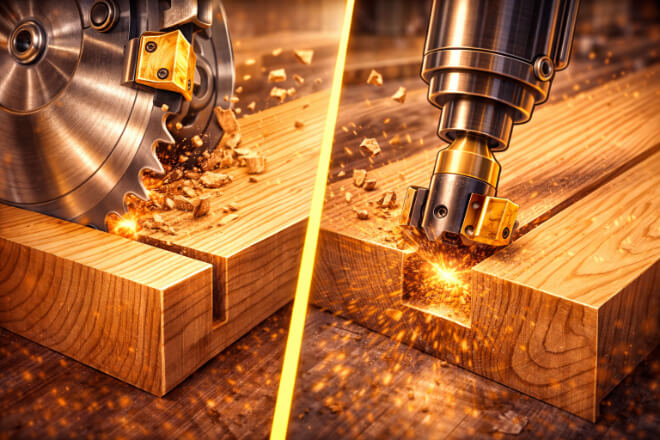
Wood may seem softer than metal, but dense hardwoods, engineered boards, and laminated materials can be very abrasive.
In wood cutting, tungsten carbide tips offer:
Strong resistance to abrasive fibers
Longer cutting edge life
Cleaner cuts with less tearing
Reduced need for re-sharpening
Carbide-tipped saw blades and cutters are widely used in woodworking because they maintain cutting quality over long production runs, even when cutting hard or treated wood.
5. Cutting Performance in Plastic and Composite Materials
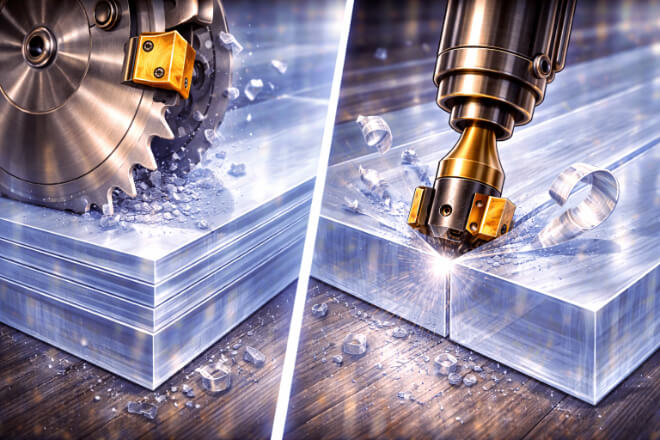
Plastic and composite materials can cause unique cutting problems. Some plastics soften with heat, while composites contain abrasive fillers.
Tungsten carbide tips improve plastic cutting by:
Reducing friction and heat buildup
Maintaining smooth cutting edges
Preventing material sticking to the tool
Handling reinforced plastics with ease
For industries cutting plastic sheets, pipes, or composite panels, carbide tips help maintain stable cutting performance and surface quality.
6. Wear Resistance and Tool Life Improvement
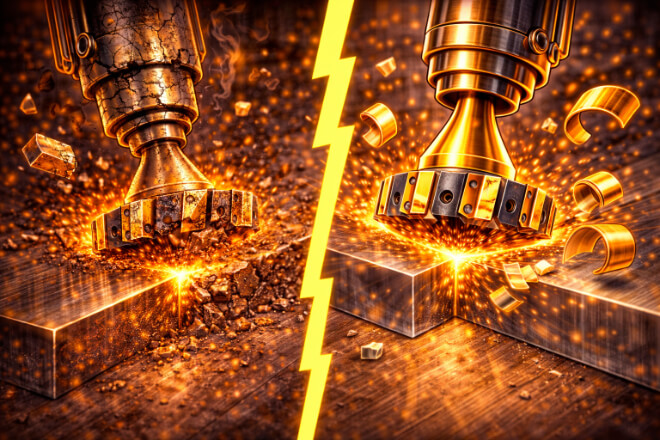
Tool wear is one of the main limits to cutting performance. When edges wear quickly, cutting quality drops.
Tungsten carbide tips slow down wear because:
그들의 경도 resists abrasion
The cutting edge stays sharp longer
Heat-related wear is reduced
Longer tool life means:
도구 교체 횟수 감소
Less machine downtime
More stable production planning
This makes carbide tips especially valuable in high-volume machining.
7. Stability and Accuracy During Cutting

Stable cutting is important for both quality and safety. Tool vibration or edge failure can cause defects or damage.
Tungsten carbide tips improve stability by:
Maintaining edge shape under load
Reducing vibration during cutting
Providing consistent cutting forces
This stability helps achieve better dimensional accuracy and surface finish across metal, wood, and plastic cutting operations.
9. Cost Efficiency Across Multiple Materials
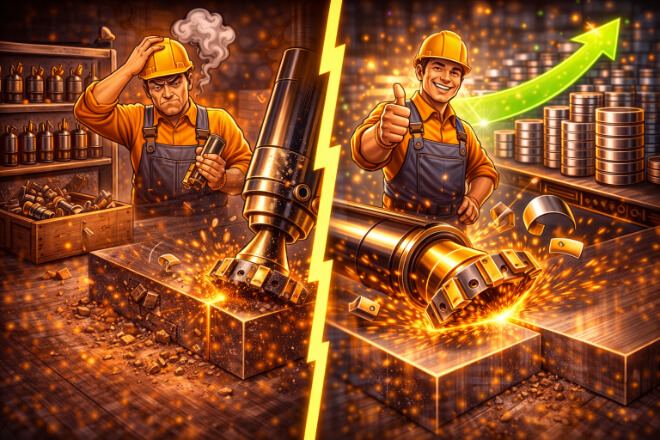
Using one tool type across different materials can simplify operations and reduce costs.
Tungsten carbide tips help lower total cost by:
Reducing tool inventory
Extending tool replacement cycles
Improving machine utilization
Increasing output per shift
Although carbide tools cost more at the start, they deliver better value over time when machining metal, wood, and plastic.
 English
  Español
  简体中文
简体中文  Français
  日本語
日本語  한국어
한국어  العربية
  Tiếng Việt