
텅스텐 카바이드 씰 링이란?
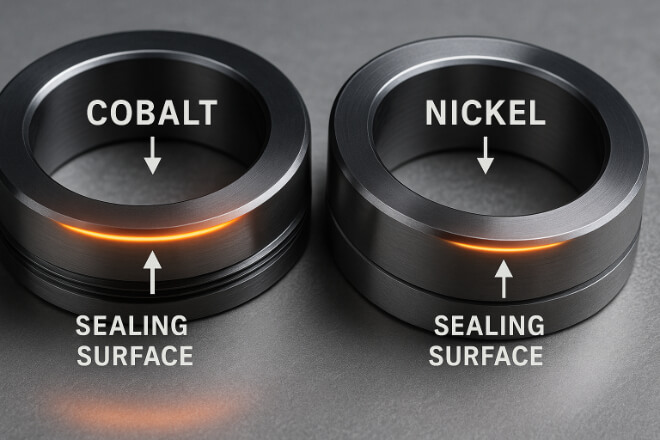
Tungsten carbide is made by combining tungsten and carbon powder, pressed together with a binder. The binder gives toughness and flexibility.
These rings are used in demanding industries where reliability and safety are critical.
응용 프로그램은 다음과 같습니다.
석유 및 가스 pumps and compressors
Chemical plants and refineries
Power generation systems
Marine and offshore pumps
Food and pharmaceutical equipment
The Role of the Binder
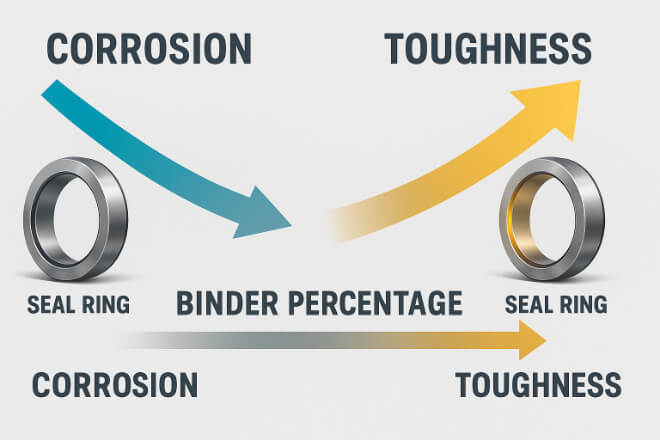
The binder is not just filler. It changes the performance of the ring.
Cobalt: Improves 강인함, making the ring resist cracking under pressure.
Nickel: Improves 내식성, making the ring safer in acids and seawater.
Without the right binder, the seal ring may fail too soon, costing money and time.
Nickel-Bonded Tungsten Carbide Seal Rings
1). Key Properties
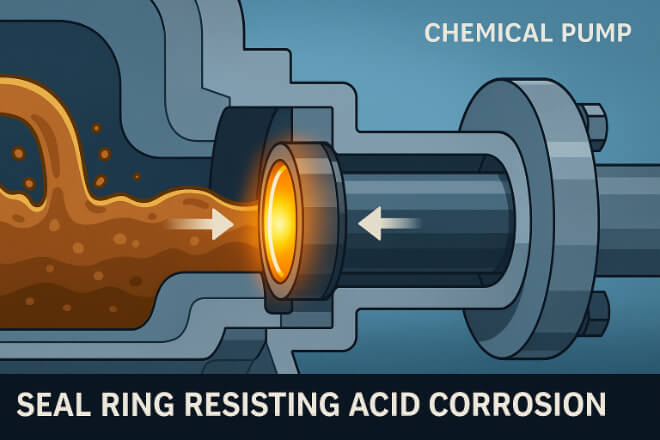
Strong resistance to acids, seawater, and chemicals
Stable performance in marine and chemical environments
약간 낮음 강인함 compared with cobalt-bonded types
2). Benefits
Best choice for corrosion-heavy environments
Reduces risk of leaks in chemical and marine systems
Longer service life in pumps exposed to corrosive media
3). Limitations
Higher cost than cobalt-bonded rings
Not as tough for heavy shock loads
Cobalt-Bonded Tungsten Carbide Seal Rings
1). Key Properties
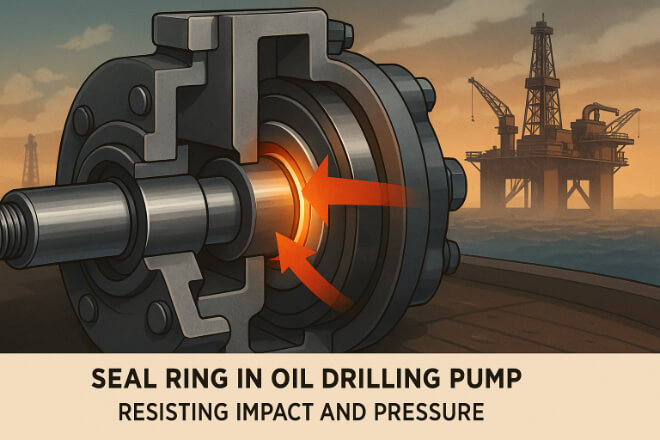
훌륭한 강인함 and strength under load
Reliable in 석유, 가스, and mining industries
Less corrosion resistance compared to nickel-bonded
2). Benefits
Handles pressure and impact better
Lower cost compared with nickel-bonded rings
Performs well in abrasive and high-load systems
3). Limitations
Weaker against acids and seawater
May require more frequent replacement in corrosive applications
Industry Applications
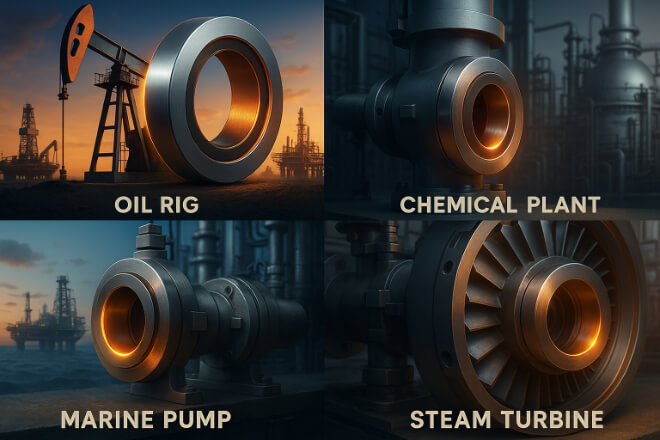
1). 석유 및 가스 산업
Cobalt-bonded rings are common in drilling pumps and compressors because they handle pressure and shock.
2). Chemical Processing
Nickel-bonded rings resist acids and solvents, making them safer and more cost-effective.
3) 해양 및 연안
Nickel-bonded rings last longer in seawater systems compared to cobalt-bonded.
4) 발전
Cobalt-bonded rings perform well in turbines where high load strength is more important than corrosion.
How to Select the Right Bonded Seal Ring
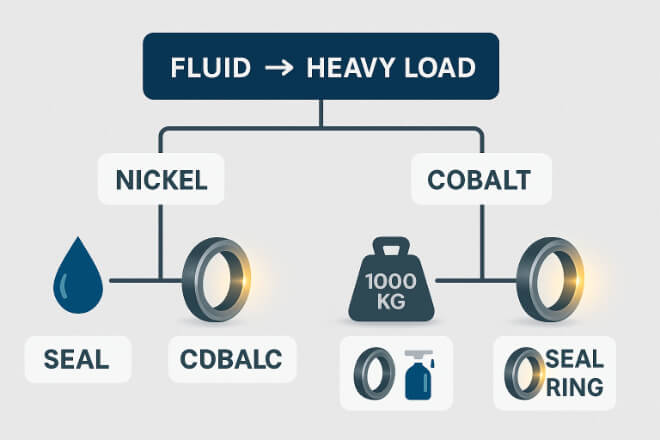
Decision-makers should evaluate:
Fluid Type – Acidic or seawater? Choose nickel. Heavy load and impact? Choose cobalt.
Operating Conditions – High pressure vs high corrosion.
Budget – Nickel-bonded costs more but lasts longer in corrosive environments.
Industry Needs – Follow best practices in your field.
비용 및 ROI 고려 사항
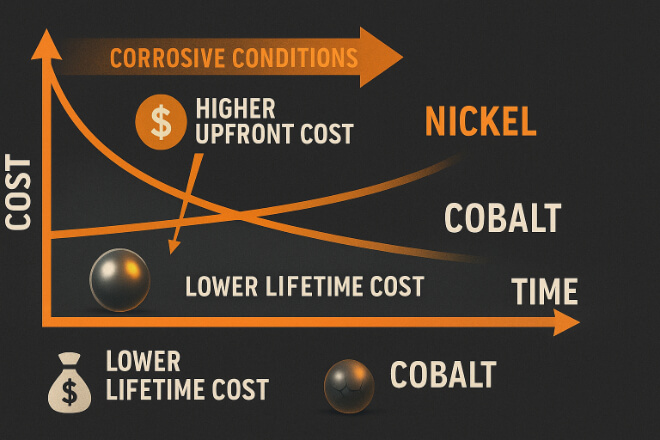
Nickel-bonded: Higher initial cost but lower replacement frequency in corrosive systems.
Cobalt-bonded: Lower cost upfront but shorter life in chemical-heavy environments.
For decision-makers, the goal is to balance initial budget with lifetime value.
Maintenance and Replacement
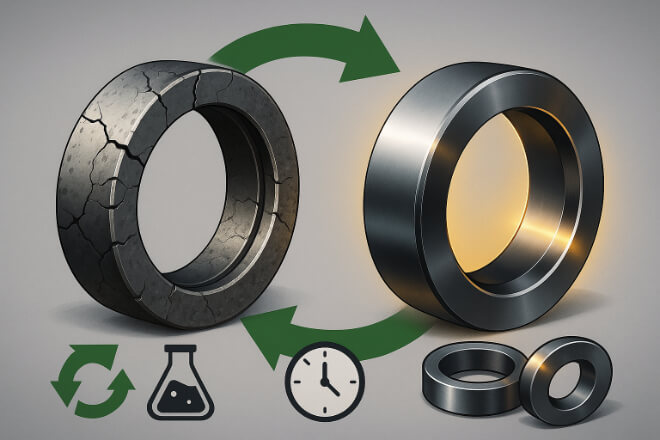
Both nickel- and cobalt-bonded tungsten carbide rings need care:
Inspect regularly for cracks, wear, or corrosion marks
Replace on time before leaks or failures occur
Recycling option: worn tungsten carbide rings can be recycled, lowering cost
Case Examples
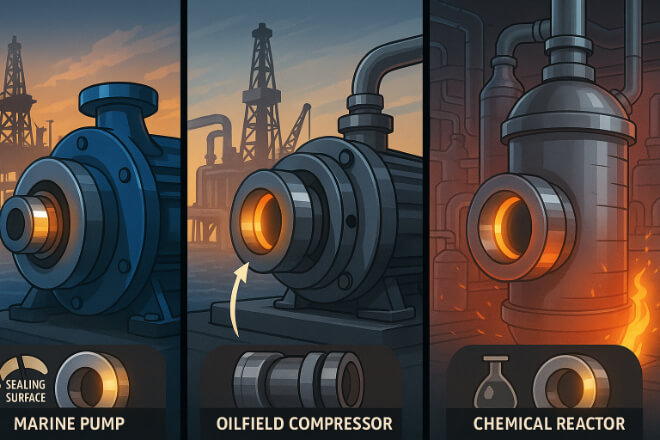
1). Marine Pump Manufacturer
Switched to nickel-bonded rings for seawater pumps. Result: longer seal life and reduced warranty claims.
2) 유전 압축기
Used cobalt-bonded rings to handle shock and high pressure. Result: stronger performance in drilling operations.
3) 화학공장
Nickel-bonded rings replaced stainless steel seals. Result: 50% longer service life and improved safety.
Business Value for Decision-Makers
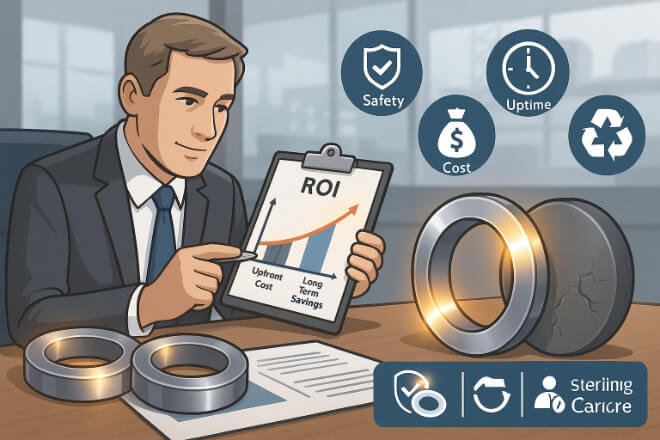
For company leaders, the binder choice affects:
Machine uptime
Maintenance cost
Safety standards
Long-term ROI
니켈 결합 → best where corrosion is the biggest risk.
코발트 결합 → best where load and toughness are most important.
How to Source Tungsten Carbide Seal Rings
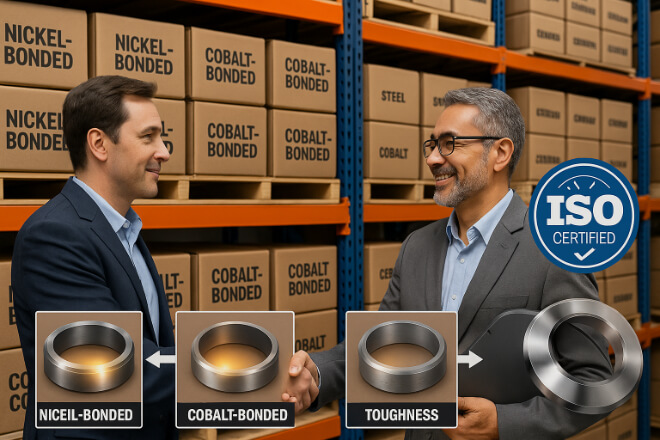
When buying, companies should:
Confirm binder type (nickel or cobalt) with supplier
Check ISO certifications for quality
Ask for case references in your industry
Choose suppliers with local stock for fast delivery
 English
  Español
  简体中文
简体中文  Français
  日本語
日本語  한국어
한국어  العربية
  Tiếng Việt