
Why Wear Patterns Matter in Tungsten Carbide Bushings
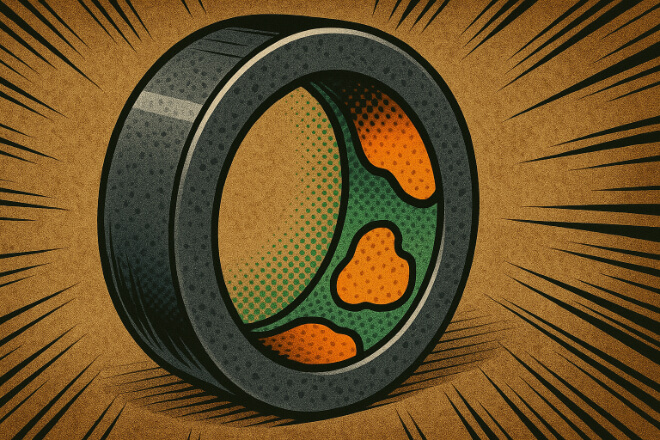
Wear marks are more than surface damage—they are signs of deeper mechanical issues.
WC bushings are extremely hard, so they do not wear easily. When they do, something in the system is wrong.
Wear Patterns Provide Clues About:
Loading conditions
Shaft alignment
Lubrication quality
Clearance problems
Vibration or instability
Process fluid contamination
Understanding wear patterns helps maintenance teams make the correct repair and avoid unnecessary downtime.
One-Sided Wear: A Clear Sign of Misalignment
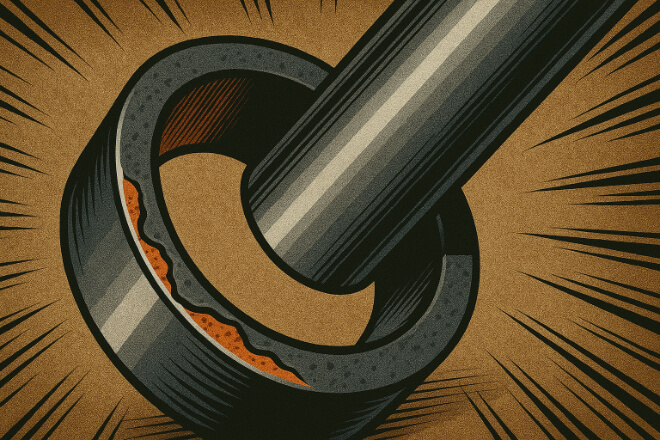
Misalignment is one of the most common causes of WC bushing failure. It happens when the shaft is not centered inside the bushing.
1). How to Identify It
One side of the bore is polished or worn
Wear depth decreases gradually across the diameter
Elliptical or oval wear shape
Possible diagonal polish marks
2). What Misalignment Means
Poor installation
Shaft bending
Housing distortion
Worn bearings affecting shaft centerline
Correcting alignment often stops the wear pattern from repeating.
Circular or Full-Contact Wear: Clearance Too Tight
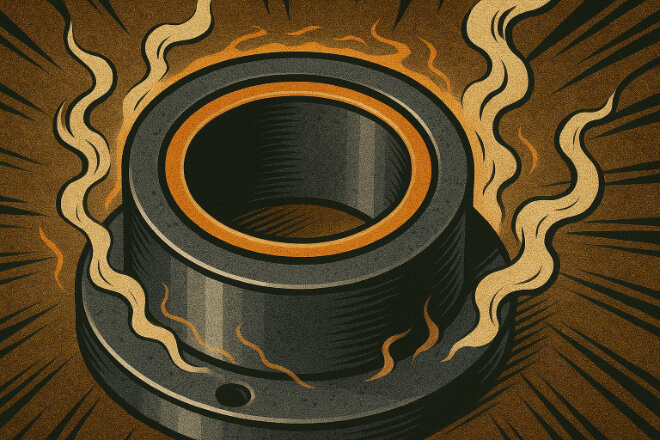
When clearance between the shaft and bushing is too small, the shaft makes full 360° contact. WC bushings are extremely hard, so heat rises quickly in this condition.
1). How to Identify It
Smooth, even wear around the entire bore
Light polish ring or heavy scoring depending on severity
Heat tinting (blue or brown discoloration)
2). What Tight Clearance Means
Incorrect machining tolerance
Thermal expansion reducing the running gap
Material swelling due to fluid absorption
Shaft oversize due to plating or repair
Patch Wear: Clearance Too Loose
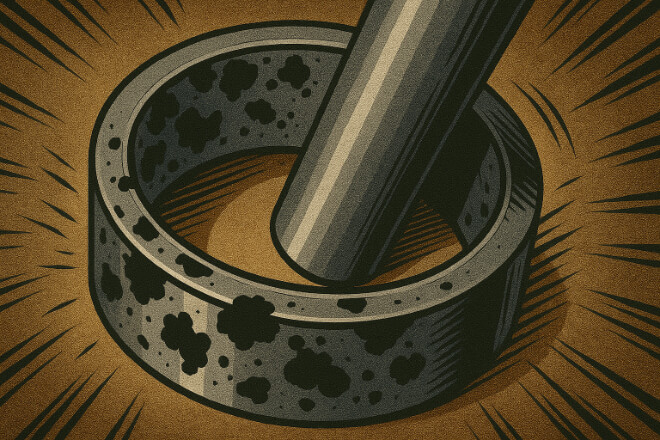
Loose clearance allows the shaft to move unpredictably. Instead of even contact, the shaft touches the bushing at random points.
1). How to Identify It
Wear appears in scattered patches
No continuous full-contact pattern
Vibration marks may also appear
2). What Loose Clearance Means
Shaft wear reducing diameter
Housing distortion increasing clearance
Incorrect reassembly
Operating conditions causing shaft instability
Loose clearance often leads to vibration, noise, and early failure.
Scoring and Scratches: Contamination in the System
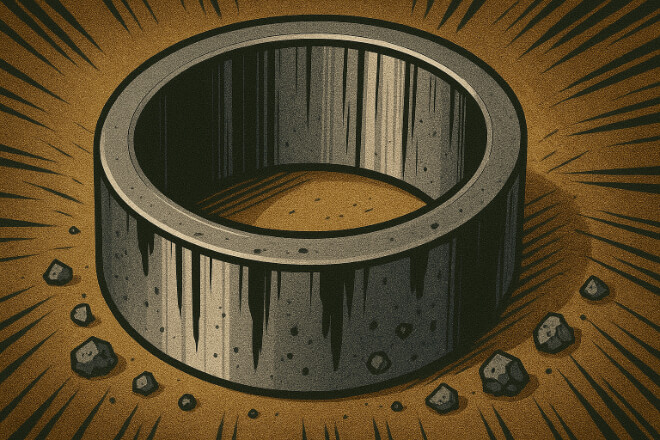
Even a tiny particle of sand, metal, or ceramic can score tungsten carbide. These foreign objects usually enter through the process fluid or poor cleaning.
1). How to Identify It
Long, straight scratches along the shaft direction
Deep grooves if large particles are present
Multiple directional scratches if particles circulate
2). What Contamination Means
Poor filtration
Seal leakage
Abrasive slurry in the system
Shaft surface dragging particles across the bushing
Removing debris and improving filtration usually solves the issue.
Burn Marks or Heat Damage: Lubrication or Friction Problem
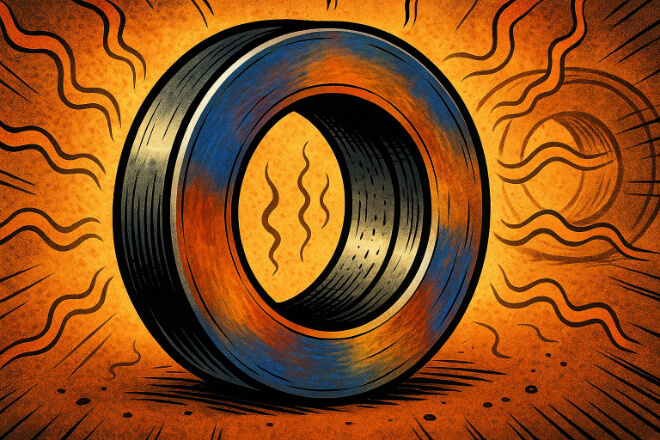
WC bushings tolerate high temperatures, but poor lubrication or tight fits generate more heat than the material can handle.
1). How to Identify It
Blue, brown, or black heat marks
Micro-cracks due to thermal shock
Surface glazing
2). What Heat Damage Means
Boundary lubrication or dry running
Sudden losses in fluid flow
Incorrect material pairing
Tight clearance increasing friction
This wear type often appears suddenly rather than gradually.
Edge Chipping: Stress or Shock Load Failure
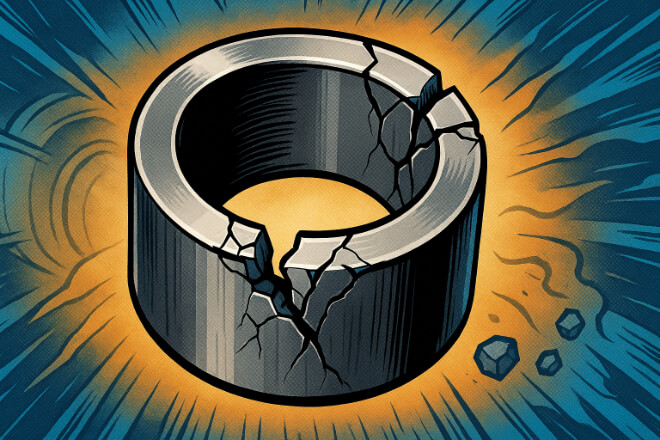
Tungsten carbide is hard but brittle. When loads concentrate at the edge—often due to misalignment, vibration, or poor installation—chipping occurs.
1). How to Identify It
Small chips at both entry and exit edges
Breakouts around the bore
Angular fracture lines
2). What Edge Chipping Means
Impact loading during startup
Shaft vibration in operation
Thermal shock
Incorrect press-fit installation
Chipping is a warning sign that failure may soon follow.
 English
  Español
  简体中文
简体中文  Français
  日本語
日本語  한국어
한국어  العربية
  Tiếng Việt