
What Are WC-Ni Bushings?
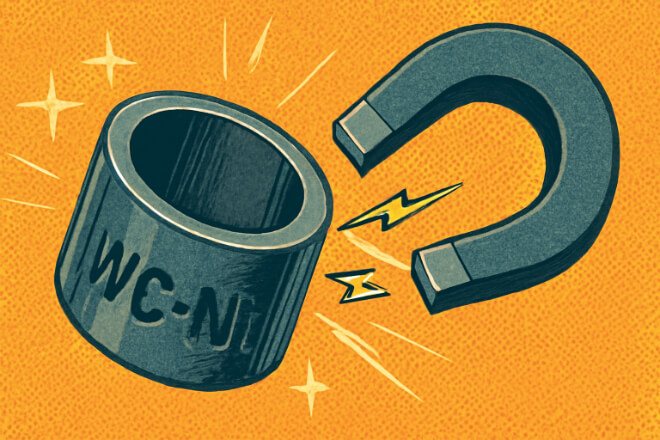
WC-Ni bushings are made by combining tungsten carbide (WC) with a nickel (Ni) binder.
Tungsten carbide, known for its exceptional hardness and wear resistance, is often used in mechanical applications where durability is required.
By using nickel as a binder, WC-Ni bushings offer the benefits of tungsten carbide while maintaining a non-magnetic profile, as nickel does not possess magnetic properties in the same way that cobalt-based binders do.
Why Choose WC-Ni Bushings?
Non-Magnetic Properties: Unlike WC-Co (tungsten carbide-cobalt) bushings, WC-Ni bushings are non-magnetic, making them ideal for environments where magnetic interference can cause issues.
Wear Resistance: Tungsten carbide provides outstanding wear resistance, making these bushings suitable for applications with heavy mechanical stress.
Corrosion Resistance: The nickel binder improves corrosion resistance compared to other binder materials, especially in some chemical environments.
Non-Magnetic Requirements in Various Applications
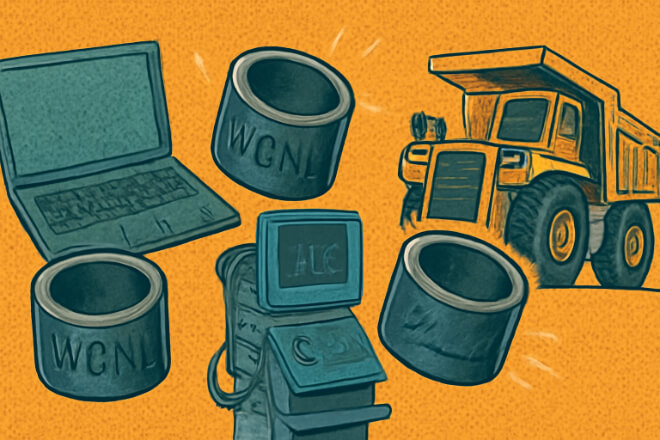
Certain industries require non-magnetic materials due to the potential interference with sensitive equipment, systems, or processes. WC-Ni bushings are designed to meet these needs in several applications.
Key Industries Requiring Non-Magnetic Bushings:
Many devices rely on precise magnetic fields, and magnetic interference can disrupt their functionality.
WC-Ni bushings are used in parts that interact with sensitive equipment like hard drives, sensors, or communication systems.
Medical Equipment:
In medical devices, such as MRI machines, non-magnetic materials are crucial to avoid disrupting the imaging process.
WC-Ni bushings are often used in critical components like motors and bearings in medical applications.
In environments where magnetic fields could interfere with instruments and sensors, non-magnetic WC-Ni bushings are ideal.
They help maintain performance while withstanding abrasive conditions and corrosive elements in mining and oil extraction operations.
Advantages of WC-Ni Bushings
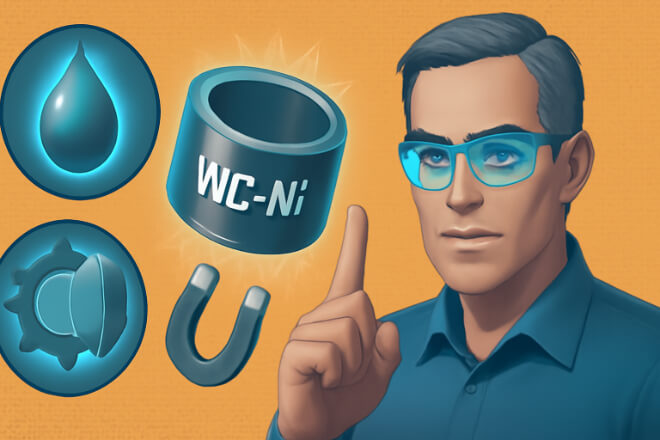
WC-Ni bushings offer several advantages that make them the material of choice for applications requiring non-magnetic properties.
Benefits of WC-Ni Bushings:
Non-Magnetic: WC-Ni bushings are ideal for applications where magnetic interference can cause system errors, such as in medical, aerospace, and electronic devices.
Enhanced Durability: The tungsten carbide content provides the hardness and wear resistance needed to operate in abrasive environments, extending the lifespan of the bushings.
High Temperature Resistance: WC-Ni bushings can perform well in high-temperature applications, making them suitable for heavy-duty equipment like pumps and compressors.
Corrosion Resistance: The nickel binder helps protect the tungsten carbide from certain corrosive environments, which is especially important in chemical processing industries.
When Should You Choose WC-Ni Bushings?
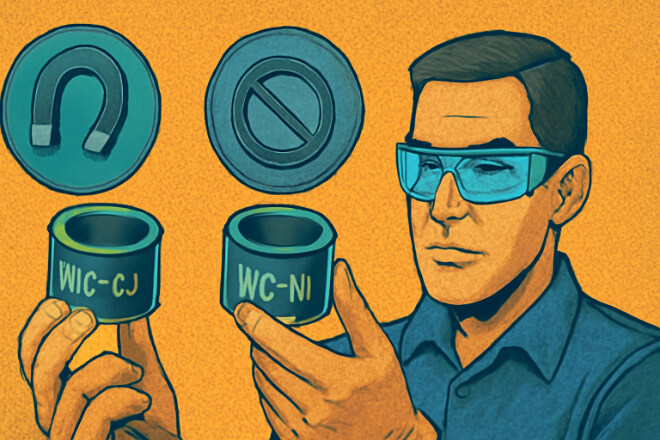
The decision to choose WC-Ni bushings depends on several factors, particularly the specific requirements of your application.
Consider WC-Ni Bushings When:
Magnetic Interference Is a Concern: If your system operates in an environment where magnetic fields can affect performance, WC-Ni bushings are a non-magnetic alternative to cobalt-based bushings.
High Wear Resistance Is Needed: If the system is subject to heavy friction and wear, WC-Ni bushings can provide the durability and longevity needed without compromising performance.
Corrosion Resistance Is Important: In industries like chemical processing, where bushings may be exposed to corrosive fluids, WC-Ni bushings provide better resistance to corrosion than other materials.
High-Temperature Environments: If your application involves elevated temperatures, WC-Ni bushings are capable of withstanding high heat while maintaining performance.
How to Select WC-Ni Bushings for Your Application
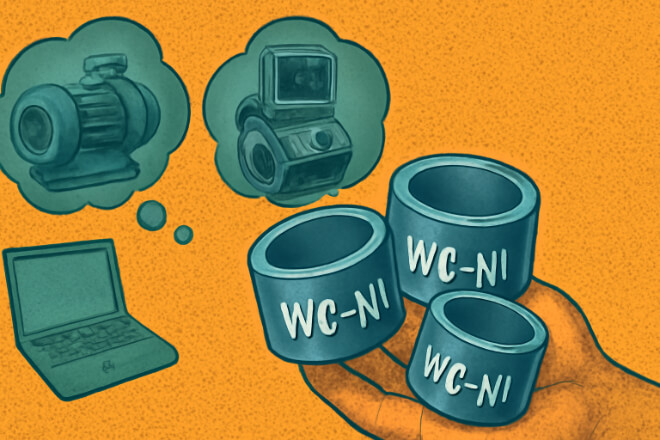
Selecting the right WC-Ni bushing involves considering the material’s properties in relation to the specific needs of your application. Here are some tips for choosing the right WC-Ni bushings:
Key Considerations:
Operating Environment: Evaluate the temperature, pressure, and chemical exposure the bushing will experience. WC-Ni bushings are ideal for high wear and moderate temperature conditions.
Magnetic Sensitivity: Ensure that the application truly requires non-magnetic materials. If magnetic interference is a concern, WC-Ni is a strong choice.
Size and Fit: Determine the appropriate size and tolerance for the bushing. WC-Ni bushings should be manufactured to meet the specific dimensions required for your system.
Cost vs. Performance: While WC-Ni bushings are highly durable, they may be more expensive than other materials. Balance performance needs with budget constraints.
Best Practices for Installing WC-Ni Bushings
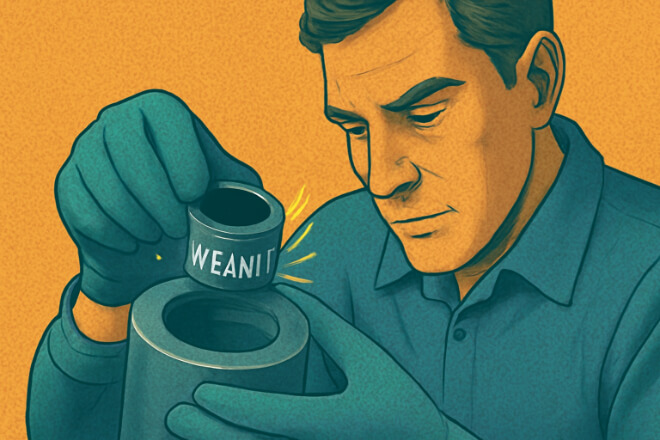
Proper installation is critical to ensuring that WC-Ni bushings perform optimally throughout their lifecycle. Improper installation can lead to misalignment, wear, and premature failure.
Best Practices for Installation:
Gentle Handling: WC-Ni bushings, though durable, should be handled with care to avoid chipping or cracking, especially when they are thin-walled.
Proper Press-Fit: When installing WC-Ni bushings into a housing or shaft, ensure that the press-fit is evenly applied to prevent stress concentration at the edges.
Use Lubrication: When installing bushings in high-friction areas, use appropriate lubricants to reduce installation forces and ensure a smooth fit.
Avoid Excessive Force: Applying too much force during installation can damage the bushing. Follow manufacturer guidelines for installation methods and torque specifications.
 English
  Español
  简体中文
简体中文  Français
  日本語
日本語  한국어
한국어  العربية
  Tiếng Việt