
The Importance of On-Site Inspection
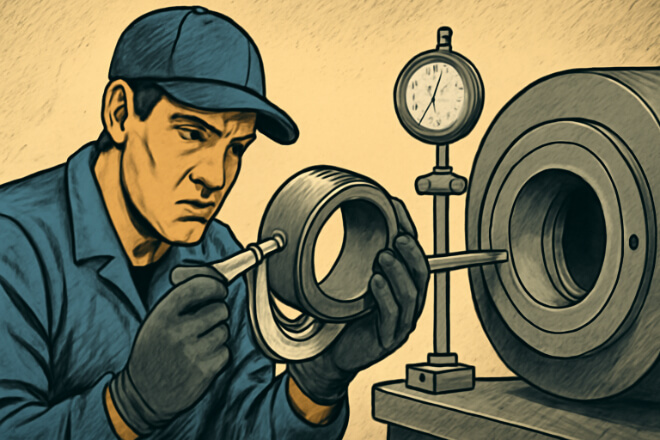
On-site inspection of tungsten carbide bushings ensures that they meet specific dimensional and geometrical tolerances required for optimal performance.
Checking critical dimensions like ID, OD, and roundness helps identify any potential issues early, reducing the risk of operational failure and extending the lifespan of your equipment.
Why On-Site Inspection Matters:
Prevents Misalignment: Ensuring that the bushing fits correctly within its housing or on its shaft reduces the risk of misalignment and wear.
Ensures Precision: Accurate measurement of ID, OD, and roundness guarantees that the bushing will perform as expected under operational conditions.
Reduces Costs: Regular on-site inspections help detect defects early, minimizing the risk of costly repairs or replacements.
Measuring the Internal Diameter (ID) of Tungsten Carbide Bushings
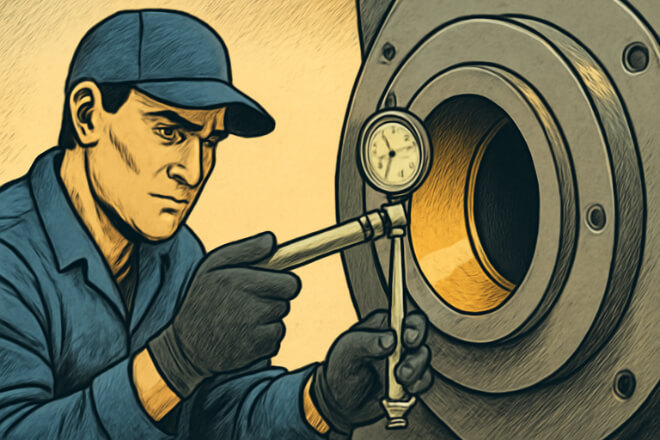
The internal diameter (ID) of a tungsten carbide bushing is a critical measurement, as it determines how well the bushing fits onto the shaft.
An improper ID can cause misalignment, excessive wear, or even failure during operation.
1). How to Measure the ID:
Calipers: Use precise calipers to measure the ID, ensuring accuracy and uniformity along the length of the bushing.
Bore Gauges: For higher accuracy, bore gauges are used to measure the internal diameter, especially for larger bushings or those with tight tolerances.
CMM (Coordinate Measuring Machine): For extremely precise measurements, a CMM can be used to measure the ID in three dimensions, ensuring a perfect fit.
2). Factors to Consider:
Tolerance: Ensure the ID is within the tolerance limits specified by the manufacturer. A tolerance that is too tight or too loose can lead to performance issues.
Surface Finish: The finish of the ID affects how well the bushing fits onto the shaft. A rough or uneven finish can increase friction and wear.
Measuring the Outer Diameter (OD) of Tungsten Carbide Bushings
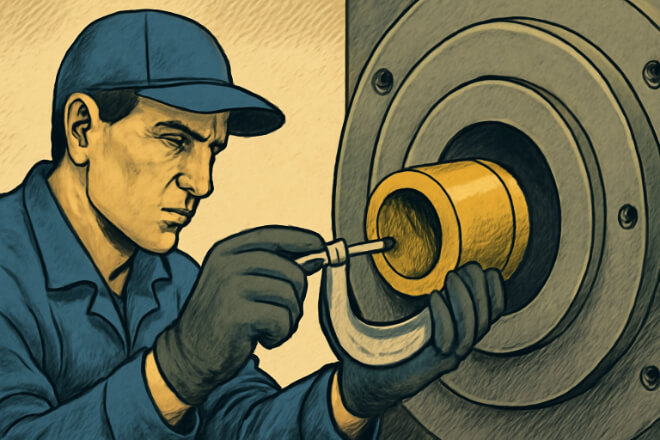
The outer diameter (OD) of the bushing is just as crucial as the ID. The OD must fit securely within the housing or external components to ensure the bushing remains stationary during operation.
1). How to Measure the OD:
Vernier Calipers: A simple but effective tool for measuring the OD of tungsten carbide bushings, especially when precise tolerances are not critical.
Micrometers: For more accuracy, especially in smaller bushings, micrometers can provide highly precise OD measurements.
CMM: A CMM can also be used to measure the OD with high precision, ensuring that the bushing fits perfectly into the housing.
2). Factors to Consider:
Uniformity: Check that the OD is uniform throughout the length of the bushing. Variations can affect the bushing’s fit and lead to issues like misalignment.
Tolerance: Similar to the ID, ensure the OD meets the specified tolerance to avoid fitment issues.
Checking Roundness of Tungsten Carbide Bushings
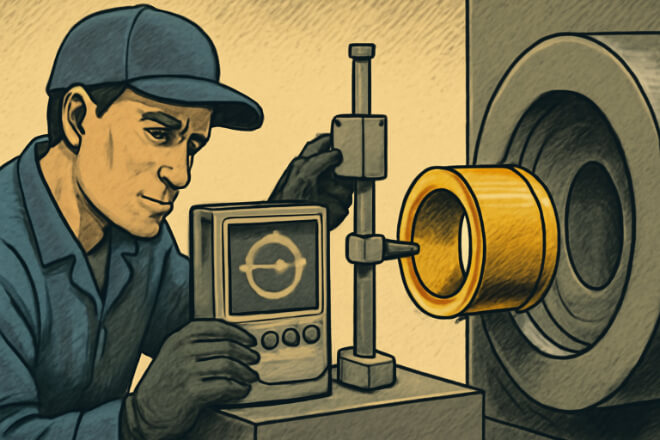
Roundness refers to the bushing’s ability to maintain a perfect circular shape.
If the bushing becomes out-of-round, it can cause uneven wear, higher friction, and potential failure during operation.
1). How to Measure Roundness:
Roundness Testers: A roundness tester can measure the roundness of a bushing by rotating it and detecting any deviations from a perfect circle.
CMM with Roundness Option: Many modern coordinate measuring machines (CMM) are equipped with a roundness measurement feature that provides highly accurate results.
Dial Indicators: For a simple check, dial indicators can be used to measure deviations from roundness as the bushing rotates.
2). Factors to Consider:
Precision: The bushing’s roundness must meet tight tolerances to ensure proper function and minimize wear.
Wear and Tear: Even slight out-of-round conditions can exacerbate wear, so maintaining roundness is crucial to ensuring long-term performance.
Best Practices for On-Site Inspection
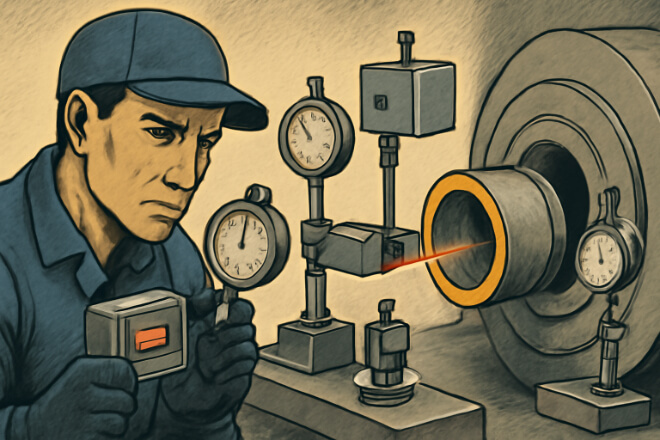
To ensure accurate and reliable measurements during on-site inspections, follow these best practices:
Best Practices:
Use Calibration Standards: Regularly calibrate your measuring tools to ensure accuracy.
Check Multiple Points: Measure ID, OD, and roundness at multiple points along the bushing’s length to account for any variations.
Document Findings: Keep detailed records of each measurement and inspection to track the bushing’s condition over time and ensure consistency.
Use Proper Tools: Choose the right measuring instruments for the job. For critical applications, use high-precision tools such as CMM or roundness testers.
Training and Expertise: Ensure that personnel performing the inspections are properly trained and understand the importance of accurate measurements and alignment.
 English
  Español
  简体中文
简体中文  Français
  日本語
日本語  한국어
한국어  العربية
  Tiếng Việt