
Why Woodworking Requires High-Precision Cutting Tools
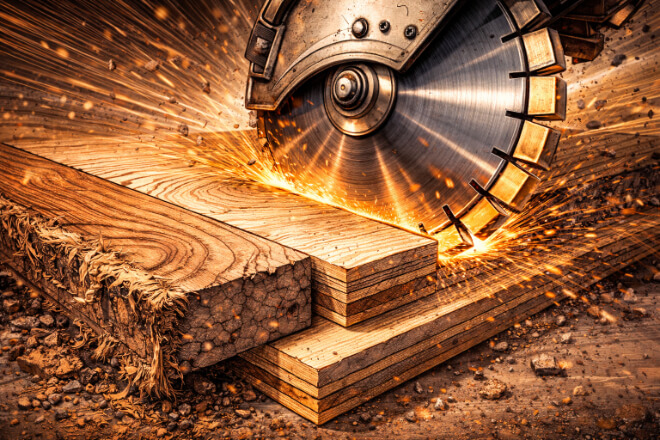
Woodworking is often seen as less demanding than metal cutting, but in reality, it places unique stress on cutting tools.
Wood fibers vary in density, moisture content, and grain direction. Engineered wood products also contain adhesives and fillers that accelerate tool wear.
Key challenges include:
Tear-out along grain lines
Edge chipping on laminated panels
Rapid dulling when cutting hardwood
High-precision cutting tools are essential to maintain smooth edges, tight tolerances, and consistent output. Even small changes in edge sharpness can result in poor surface finish and higher scrap rates.
What Makes Tungsten Carbide Tips Suitable for Woodworking

Tungsten carbide tips combine extreme hardness with controlled toughness. Unlike standard steel tips, carbide maintains its cutting edge under constant friction and repeated impact.
In woodworking tools, carbide tips:
Stay sharp far longer than steel
Maintain stable cutting geometry
Resist deformation under heat
This makes them ideal for circular saw blades, router bits, planers, and CNC cutting tools used in both small workshops and industrial production lines.
Superior Edge Retention for Clean Cuts
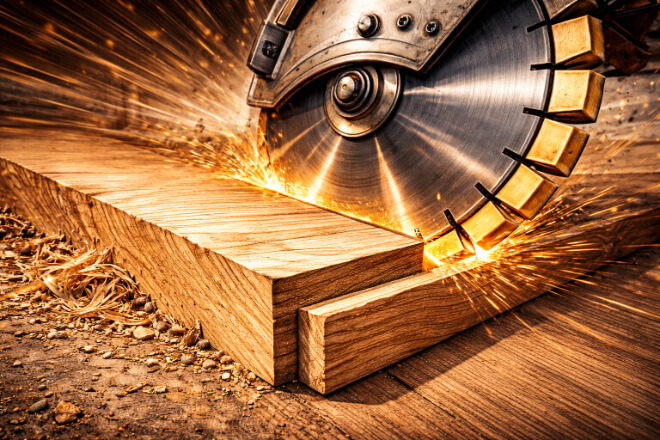
Clean cuts are critical in woodworking, especially for visible surfaces such as furniture panels, flooring, and cabinetry. Dull tools tear fibers instead of cutting them, leading to rough edges and burn marks.
Tungsten carbide tips provide:
Long-lasting sharp edges
Reduced fiber tearing
Cleaner cut lines with minimal sanding required
This edge retention helps operators maintain high quality even during long production runs.
Improved Durability When Cutting Hardwoods and Panels

Hardwoods like oak, maple, and teak are abrasive and dense. Composite materials such as MDF and plywood contain resins that wear down steel tips quickly.
Carbide-tipped tools perform better because:
Carbide resists abrasive fillers and glue layers
Tip wear occurs slowly and evenly
Tool life remains predictable
This durability reduces unexpected tool failure and supports continuous operation.
Consistent Performance in High-Speed CNC Woodworking
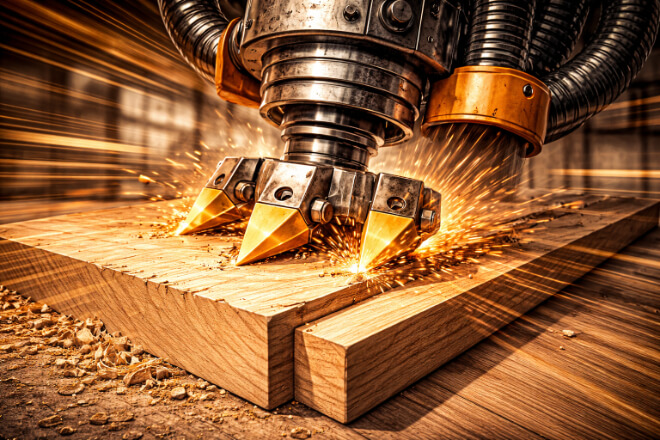
Modern woodworking increasingly relies on CNC machines running at high speeds. At these speeds, heat buildup and vibration can quickly degrade standard tools.
Tungsten carbide tips:
Maintain hardness at elevated temperatures
Resist micro-chipping under vibration
Deliver consistent performance at high RPM
This makes carbide tips well suited for automated, high-output woodworking environments.
Reduced Tool Changes and Downtime

Frequent tool changes interrupt workflow and increase labor costs. In production settings, downtime can significantly affect output.
By using tungsten carbide tips:
Tool change intervals are extended
Machine uptime increases
Maintenance schedules become more predictable
This leads to smoother production planning and better cost control.
Better Surface Finish and Dimensional Accuracy
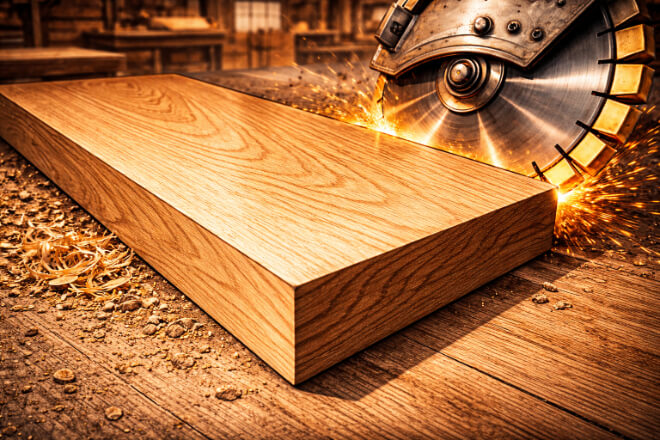
Surface quality is critical in woodworking, especially for parts that require minimal post-processing. Tool wear directly affects dimensional accuracy and edge smoothness.
Carbide-tipped tools help by:
Holding precise cutting dimensions longer
Reducing vibration-related defects
Producing smoother surfaces with fewer passes
This improves final product appearance and reduces finishing work.
Long-Term Cost Benefits for Woodworking Operations
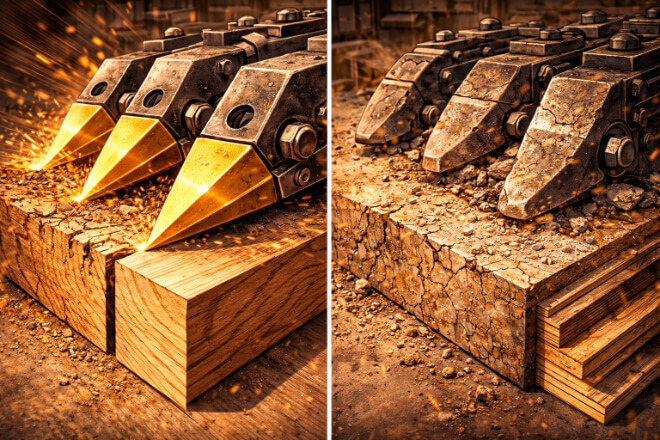
While tungsten carbide tips cost more upfront than steel tips, their long service life often results in lower total cost.
When considering:
Longer tool life
Reduced downtime
Lower scrap rates
Improved productivity
Carbide-tipped tools usually offer better return on investment for professional woodworking operations.
 English
  Español
  简体中文
简体中文  Français
  日本語
日本語  한국어
한국어  العربية
  Tiếng Việt