
What is Abrasive Wear Resistance?
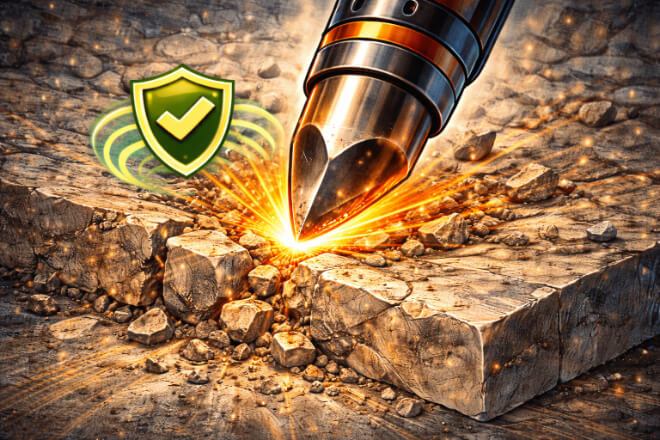
Abrasive wear refers to the degradation of a material due to contact with a harder surface.
This often happens when a tool is in constant friction with another material, leading to the loss of material from the tool’s surface. The ability of a material to resist this type of wear is known as its abrasive wear resistance.
For cutting tools like tungsten carbide tips, high abrasive khả năng chống mài mòn is essential for maintaining performance and extending tool life in harsh conditions.
Why Tungsten Carbide is Highly Resistant to Abrasive Wear
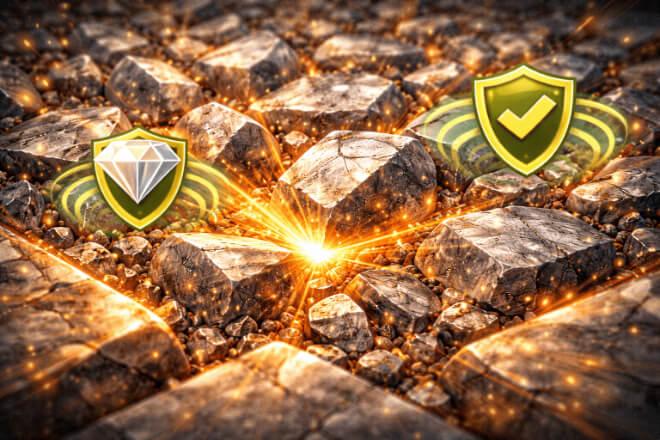
Tungsten carbide’s abrasive khả năng chống mài mòn is one of the key reasons it is used in high-performance cutting tools.
The material is incredibly hard, with a độ cứng rating of around 9 on the Mohs scale, making it significantly harder than most materials it encounters during cutting or drilling.
This hardness helps tungsten carbide tips resist material removal due to abrasion.
Additionally, tungsten carbide is a composite material made up of tungsten grains embedded in a metallic binder, usually cobalt.
The tungsten grains are responsible for the hardness, while the binder provides toughness and helps absorb impact.
This combination of hardness and độ dẻo dai makes tungsten carbide ideal for tools that need to maintain sharpness and integrity while being exposed to abrasion.
Factors Affecting the Abrasive Wear Resistance of Tungsten Carbide
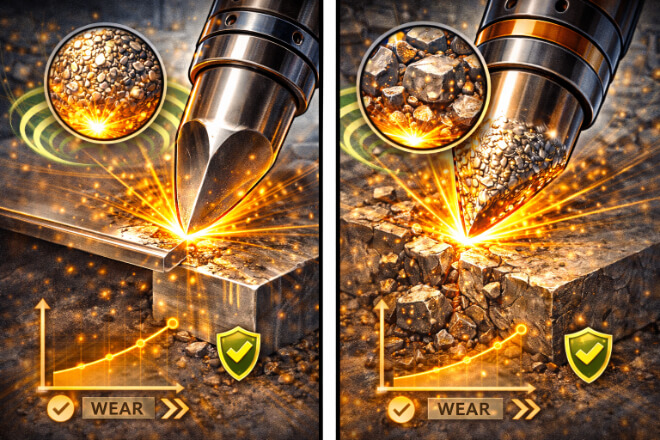
While tungsten carbide is highly resistant to abrasive wear, several factors influence how well it performs in real-world applications. These include:
The finer the grain size of the tungsten carbide, the harder and more wear-resistant it becomes.
Fine-grain tungsten carbide is ideal for high-precision cutting, while coarser grains provide better toughness for heavy-duty applications.
Binder Material:
The type of binder used in tungsten carbide affects its độ dẻo dai and overall wear resistance.
Cobalt, for example, is often used because it adds flexibility and toughness to the material, improving its ability to withstand impacts during cutting.
Surface Treatment:
Tungsten carbide tips can be further enhanced with coatings or surface treatments.
Coatings like titanium nitride (TiN) or diamond-like carbon (DLC) can improve the material’s resistance to abrasion and reduce friction, prolonging the tool’s life.
Operating Conditions:
The specific conditions under which the tungsten carbide tips are used also affect their wear resistance.
For example, the hardness of the material being cut, the cutting speed, and the presence of coolants or lubricants all impact how well the tips perform under abrasive conditions.
Testing the Abrasive Wear Resistance of Tungsten Carbide Tips
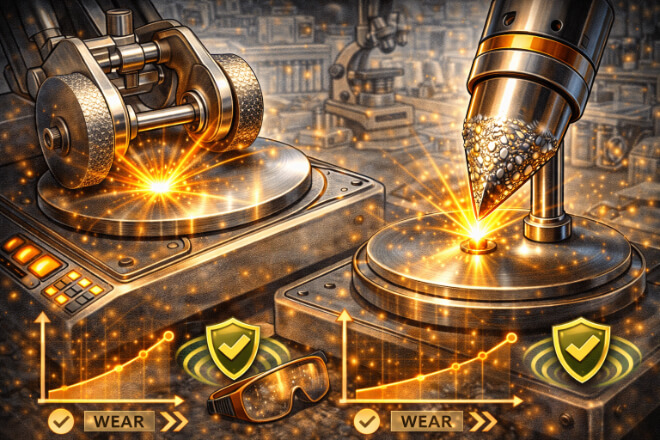
To ensure that tungsten carbide tips will perform effectively in abrasive environments, they undergo various wear testing methods.
These tests simulate the conditions that the tips will face during actual use and help manufacturers assess their performance. Some common tests include:
Taber Abraser Test:
This test measures the wear resistance of materials by rubbing them against an abrasive wheel.
The amount of material lost during the test helps determine the abrasive wear resistance of the tungsten carbide tips.
Pin-on-Disk Test:
This test evaluates the wear behavior of materials by rotating a disk against a stationary pin of the material. The rate at which the material wears away provides insight into its khả năng chống mài mòn.
Dry Sand/Rubber Wheel Test:
This method uses a rotating rubber wheel that rubs against the material in contact with dry sand.
This is used to simulate harsh, abrasive environments and helps assess the long-term durability of tungsten carbide tips.
Applications Where Abrasive Wear Resistance is Crucial
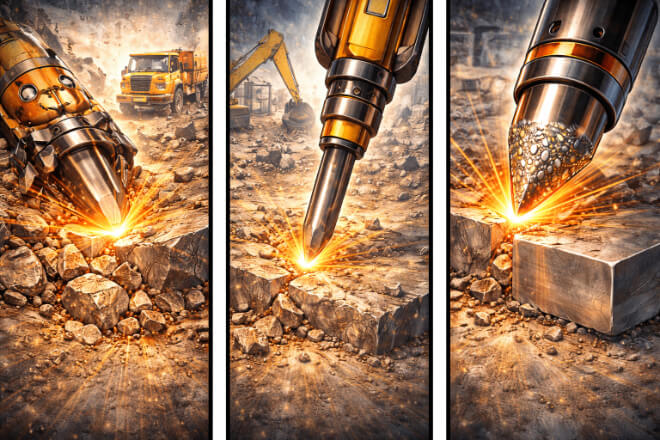
Tungsten carbide tips are widely used in industries that require tools to withstand constant abrasion. Some key applications include:
In mining operations, tungsten carbide tips are used for drilling, cutting, and crushing rock.
The tips must be highly resistant to abrasion to maintain performance in tough, abrasive environments.
Tungsten carbide is used in drill bits, road construction, and demolition tools, where the tools are exposed to continuous abrasion from concrete, stone, and other hard materials.
Machining and Gia công kim loại:
In machining operations, tungsten carbide tips are used to cut through tough metals like steel, aluminum, and titanium.
The abrasive khả năng chống mài mòn of tungsten carbide ensures that the tips maintain their sharpness and effectiveness during high-speed operations.
Tungsten carbide tips are also used in woodworking tools such as saw blades and router bits, where they need to maintain sharpness and resist wear while cutting through dense wood materials.
Benefits of Tungsten Carbide’s Abrasive Wear Resistance
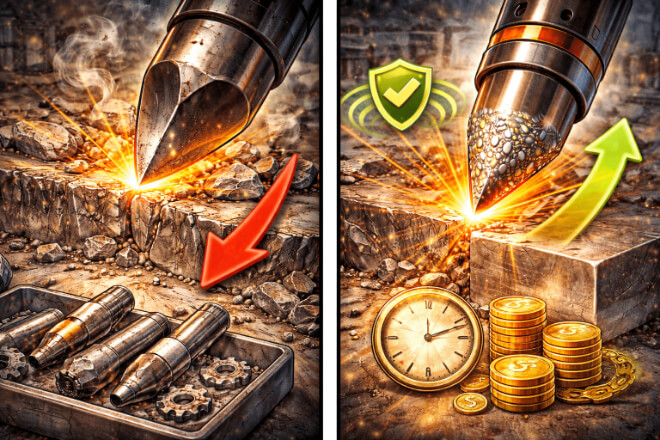
Tungsten carbide’s ability to resist abrasive wear offers several key benefits for industries that rely on cutting tools:
Increased Tool Life: The superior khả năng chống mài mòn of tungsten carbide ensures that tools last longer, reducing the frequency of tool replacements and lowering operational costs.
Improved Cutting Efficiency: Tools that maintain their sharpness over time can perform cutting tasks more efficiently. Tungsten carbide tips can cut through tough materials at higher speeds without losing their edge.
Giảm thời gian chết: With tungsten carbide tips, the need for frequent tool changes is minimized, leading to less downtime in production environments and higher productivity.
Cost-Effectiveness: While tungsten carbide tips are initially more expensive than other materials, their long-lasting wear resistance results in lower overall maintenance and tool replacement costs.
 English
  Español
  简体中文
简体中文  Français
  日本語
日本語  한국어
한국어  العربية
  Tiếng Việt