
1. What Are Tungsten Carbide Tip Grades?
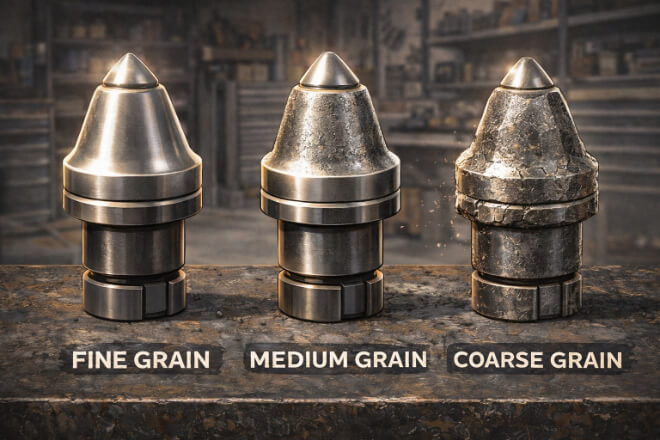
Tungsten carbide tips come in various grades, each with different characteristics that make them suitable for specific tasks.
These grades are determined by factors such as grain size, binder content, and the sintering process used in manufacturing.
The right grade for your cutting tool depends on the materials you are working with and the conditions under which the tool will be used.
Key Factors Defining Tungsten Carbide Tip Grades:
Kích thước hạt: Finer grains generally result in higher độ cứng Và khả năng chống mài mòn, while coarser grains provide better toughness and impact resistance.
Nội dung chất kết dính: The binder material (typically cobalt) helps determine the tip’s độ dẻo dai and resilience. A higher binder content improves toughness but reduces hardness.
Sintering Process: The temperature and pressure applied during sintering influence the final properties of the carbide, including its hardness, toughness, and overall performance.
Understanding these factors helps you select the appropriate grade of tungsten carbide for your specific tool or machine.
2. How to Match Tungsten Carbide Tip Grade with Your Tool or Machine
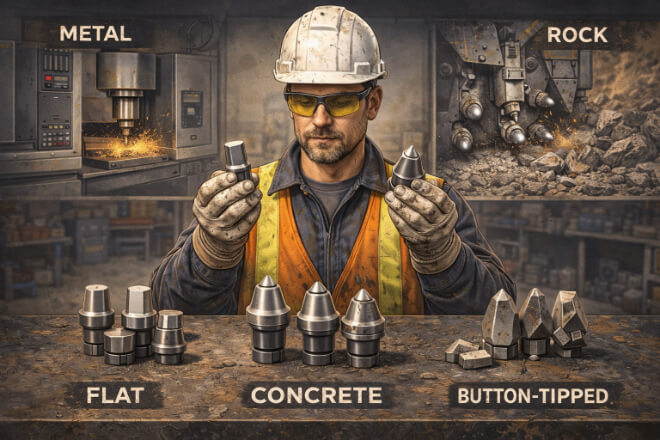
Choosing the right carbide tip grade is essential for optimizing the performance of your tool or machine.
Different cutting operations require different properties from the carbide tips, such as khả năng chống mài mòn, độ dẻo dai, or heat resistance.
Factors to Consider When Matching Carbide Tip Grade with Your Tool:
Cutting Application: The material being cut (metal, rock, concrete, wood) affects the required grade of carbide. For example, cutting hard metals requires higher wear resistance, while applications involving frequent impacts require tougher carbide grades.
Machine Type: The machine you are using also influences the choice of carbide grade. High-speed machines require carbide tips that can handle heat, while machines that deal with high-impact forces need tougher carbide tips.
Tool Life Expectations: If tool longevity is a priority, choose a grade with higher wear resistance. For applications where frequent tool changes are acceptable, a tougher grade might be sufficient.
Matching the grade to the application ensures that your tools work efficiently and last longer.
3. Grades for High Wear Resistance in Tungsten Carbide Tips

In applications where the tool is exposed to continuous abrasion, wear resistance becomes the most important factor.
Tungsten carbide tips with high wear resistance are designed to maintain a sharp cutting edge even when cutting through hard, abrasive materials.
Characteristics of High Wear-Resistance Grades:
Fine-Grain Tungsten Carbide: Fine-grain carbide offers high độ cứng Và khả năng chống mài mòn, making it ideal for cutting tough materials like steel, concrete, and asphalt.
Low Binder Content: A lower binder content enhances the hardness of the carbide but may reduce its toughness, making it more suitable for applications where wear is the primary concern, and impact is minimal.
Ideal for Abrasive Cutting: High wear-resistance grades are perfect for applications such as grinding, milling, and machining where the cutting surface is exposed to continuous friction.
For industries where cutting efficiency and tool longevity are key, these grades offer the best performance.
4. Grades for Impact Resistance in Tungsten Carbide Tips
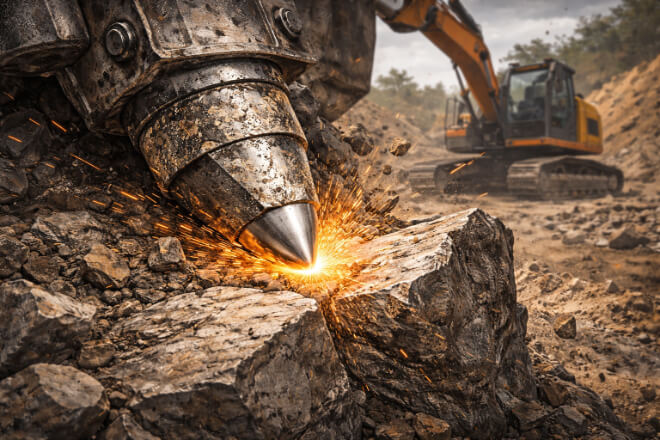
When working with materials that cause significant impact, such as rock, hard soil, or heavy machinery, impact resistance is a critical factor.
Tungsten carbide tips that are designed for độ dẻo dai can handle repeated shocks without breaking or chipping.
Characteristics of Impact-Resistant Grades:
Coarse-Grain Tungsten Carbide: Coarse grains provide higher toughness and impact resistance. These grades are more resilient under shock and stress, making them ideal for applications like mining or heavy-duty drilling.
Higher Binder Content: A higher binder content improves toughness by making the material more flexible, preventing cracks and fractures when subjected to impact.
Ideal for Heavy-Duty Cutting: Impact-resistant grades are typically used for earthmoving, khai thác mỏ, and construction tools that face high-impact loads during operation.
These grades are designed to extend the life of tools used in harsh environments where impact and stress are frequent.
5. Balancing Hardness and Toughness in Tungsten Carbide Tips
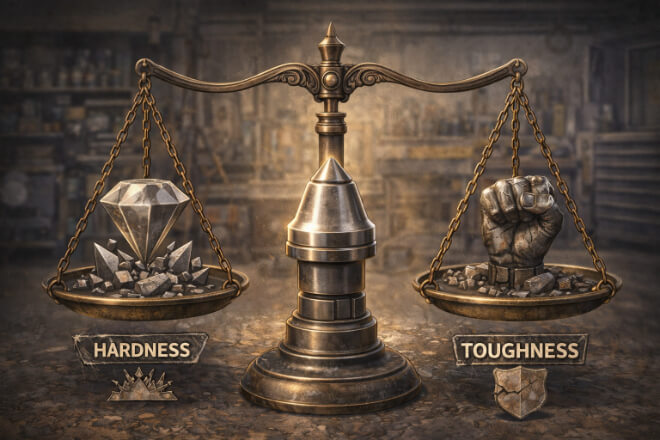
Many applications require a balance of both khả năng chống mài mòn and impact resistance.
The right carbide tip grade should provide a combination of these properties to handle both abrasiveness and high impact.
Balancing Hardness and Toughness:
Medium-Grain Tungsten Carbide: Medium-grain grades offer a balance of both độ cứng Và độ dẻo dai, making them suitable for applications that involve both abrasive wear and impact.
Optimal Binder Content: A balanced binder content allows the carbide to offer durability and toughness while maintaining the wear resistance needed for efficient cutting.
General-Purpose Cutting: These grades are typically used for cutting a wide range of materials, offering versatility and long-lasting performance.
A balanced grade is ideal for applications where both wear and impact resistance are essential, ensuring consistent performance in varied cutting environments.
6. How to Determine the Best Grade for Your Cutting Application

The key to choosing the right tungsten carbide grade is understanding the specific needs of your cutting application.
Factors such as the material being cut, the type of machine, and the operating conditions all play a role in determining which grade is best suited for the task.
Steps to Select the Right Grade:
Analyze the Material: Consider the độ cứng and abrasiveness of the material being cut. Harder, more abrasive materials typically require finer-grain grades.
Consider Machine and Tool Type: Choose a grade that matches the type of machine you’re using. High-speed machines require carbide that can handle heat, while impact-resistant machines need tougher carbide grades.
Evaluate Cutting Conditions: Determine whether the cutting involves high impact, high speed, or abrasive wear. Match the carbide grade to the conditions to ensure the longest tool life and the best performance.
Tool Life Expectations: If you require tools that last longer with less frequent replacement, opt for higher wear resistance grades.
By following these steps, you can ensure that the correct carbide grade is chosen to optimize the performance of your tools and machines.
7. Cost Considerations for Choosing Tungsten Carbide Tip Grades
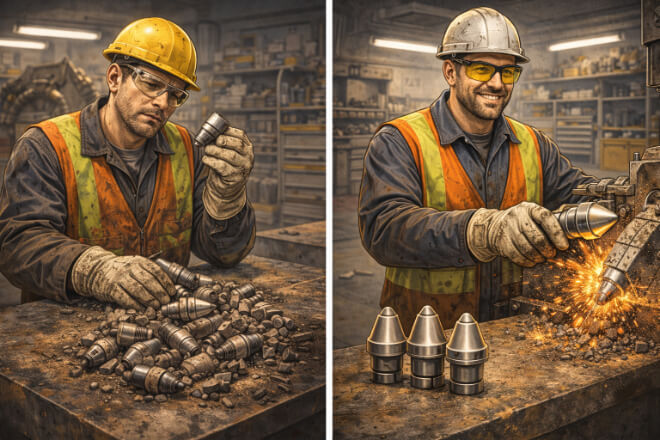
While higher-grade tungsten carbide tips often come with a higher upfront cost, their long-term benefits can lead to substantial savings.
The right grade of carbide can reduce downtime, improve productivity, and lower the frequency of tool changes.
Cost Benefits:
Longer Tool Life: High-quality carbide tips that are suited for the application will last longer, reducing the need for frequent replacements.
Giảm thời gian chết: With longer tool life, there is less downtime for tool changes, improving overall productivity.
Increased Cutting Efficiency: Carbide tips that are specifically suited to the cutting conditions will perform more efficiently, reducing labor costs and improving cutting speeds.
Investing in the right tungsten carbide grade can result in significant cost savings over time by increasing tool performance and reducing replacement costs.
 English
  Español
  简体中文
简体中文  Français
  日本語
日本語  한국어
한국어  العربية
  Tiếng Việt