
1. Understanding the Causes of Premature Wear and Tip Breakage
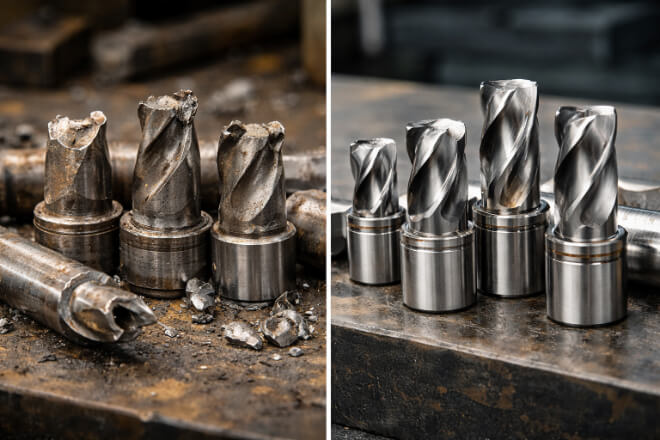
Before diving into prevention methods, it’s important to understand the factors that contribute to premature wear and tip breakage in tungsten carbide tools.
These factors can be related to tool design, material properties, machining conditions, and maintenance practices.
Common Causes of Premature Wear and Breakage:
Excessive Heat: High temperatures generated during cutting or drilling can cause the carbide tips to lose their hardness, making them more susceptible to wear and failure.
Improper Tool Handling: Dropping or mishandling carbide tools can cause cracks or chips in the tips, leading to breakage.
Incorrect Cutting Parameters: Using improper cutting speeds, feed rates, or depths can cause excessive pressure on the tool, leading to premature wear or even breakage.
Material Abrasiveness: Cutting highly abrasive materials without proper tool selection can cause accelerated wear on the carbide tips.
Impact and Shock Loads: Excessive impact forces, especially when machining tough materials, can lead to chipping or breaking of the carbide tips.
Understanding these causes helps in taking the necessary steps to prevent premature wear and tip breakage.
2. Optimizing Cutting Parameters to Reduce Wear
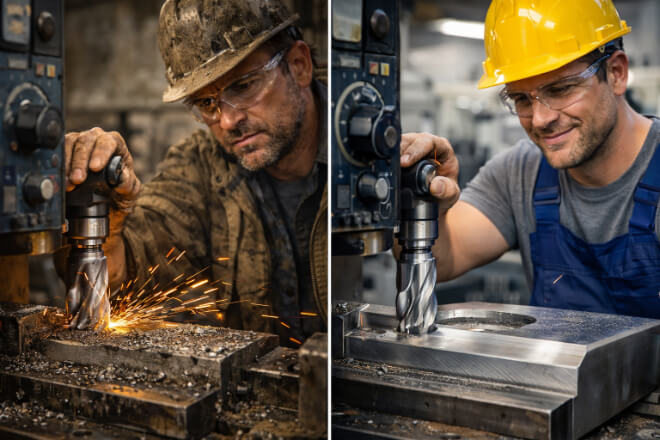
Using the correct cutting parameters is essential for preventing premature wear and ensuring that tungsten carbide tools perform at their best.
Cutting parameters such as speed, feed rate, and depth of cut have a direct impact on how much stress is placed on the tool.
How Cutting Parameters Affect Tool Wear:
Tốc độ cắt:
Too high of a cutting speed generates excessive heat, which can cause carbide tips to soften and wear faster.
On the other hand, too low of a cutting speed can result in inefficient cutting and increased tool pressure.
Feed Rate:
A feed rate that is too high can cause excessive friction, leading to overheating and faster tool wear.
A feed rate that is too low can result in poor material removal and can also cause the tool to dull quickly.
Depth of Cut:
If the depth of cut is too deep, the carbide tip experiences high stresses, increasing the likelihood of tip breakage. Shallow cuts are generally safer and cause less tool strain.
Adjusting cutting parameters to suit the material being cut and the tool’s design helps minimize wear and the risk of breakage, extending the tool’s lifespan.
3. Choosing the Right Tungsten Carbide Grade for the Job

Tungsten carbide is available in different grades, and choosing the right grade for the specific job can help prevent premature wear and tip breakage.
The appropriate grade depends on factors like the material being cut, the type of machine used, and the operating conditions.
How to Choose the Right Grade:
Khả năng chống mài mòn: If the tool will be cutting abrasive materials, a carbide grade with finer grains and lower binder content may be necessary to increase wear resistance.
Độ dẻo dai: For applications with high impact or shock loading, a coarser grain carbide with higher binder content will provide better toughness and resistance to breakage.
Khả năng chịu nhiệt: For high-speed cutting or machining where heat is generated, carbide grades with enhanced heat resistance should be selected to prevent softening or degradation.
By selecting the appropriate grade of tungsten carbide based on the application, you can ensure better performance and reduce the risk of premature wear and breakage.
4. Maintaining Proper Tool Alignment and Handling

Proper handling and alignment are essential for maintaining the integrity of tungsten carbide tips.
Mishandling or improper tool alignment can result in stress on the carbide tip, leading to cracks, chips, and premature failure.
Best Practices for Tool Handling and Alignment:
Proper Tool Mounting: Ensure that the carbide tip is securely attached to the tool body to prevent any loosening or misalignment during operation.
Use Appropriate Tool Holders: Use tool holders designed for high-precision work to prevent vibrations or tool chatter, which can cause wear or breakage.
Handle with Care: Always handle carbide tools carefully, avoiding dropping them or applying excessive force during installation. Even minor damage during handling can lead to cracks or chips that affect tool performance.
By following best practices for tool alignment and handling, you can avoid unnecessary stress on the carbide tips and prolong their useful life.
5. Regular Inspections and Maintenance
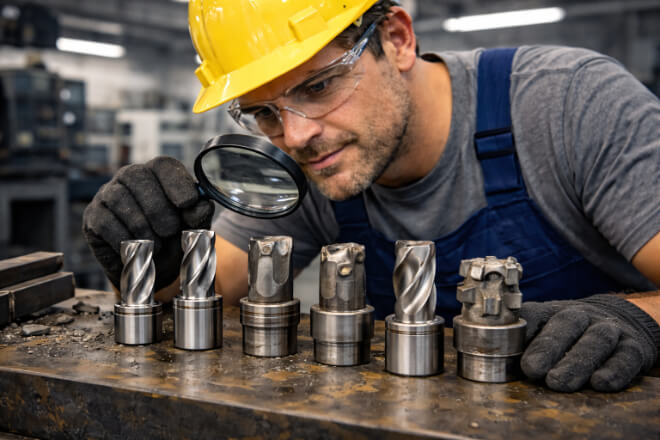
Regular inspections and maintenance are crucial for identifying signs of wear and potential breakage before they lead to tool failure.
Proactive maintenance allows for timely replacement or repair of carbide tips, preventing unexpected downtime.
Inspection and Maintenance Tips:
Visual Inspections: Regularly inspect the carbide tips for signs of wear, chips, cracks, or dullness. Early detection of wear allows for corrective action before the tool becomes ineffective.
Sharpness Check: Check the sharpness of the carbide tips regularly. Dull tips should be resharpened to maintain cutting efficiency and reduce the chances of overheating.
Tool Replacements: Replace carbide tips that show signs of excessive wear or damage, ensuring that the tool continues to operate effectively.
By staying on top of maintenance and addressing issues early, you can prevent premature wear and tip breakage in tungsten carbide tools.
6. Using the Right Lubrication and Cooling Methods

Lubrication and cooling are essential to reducing friction, heat buildup, and excessive wear on carbide tips during operation.
Without proper cooling, the carbide tips can overheat, softening and reducing their effectiveness.
Lubrication and Cooling Best Practices:
Use Proper Coolants: Select coolants that match the material being cut and the cutting conditions. Water-based coolants are often used for metal cutting, while oil-based lubricants are used for harder materials.
Maintain Consistent Lubrication: Ensure that the carbide tips are continuously lubricated during operation to reduce friction and prevent overheating.
Monitor Temperature: Keep an eye on the tool temperature during cutting. If the tool gets too hot, it may need additional cooling or adjustments to the cutting parameters.
By keeping carbide tips cool and lubricated, you prevent heat-related wear and extend the lifespan of the tools.
7. Cost Benefits of Preventing Premature Wear and Tip Breakage
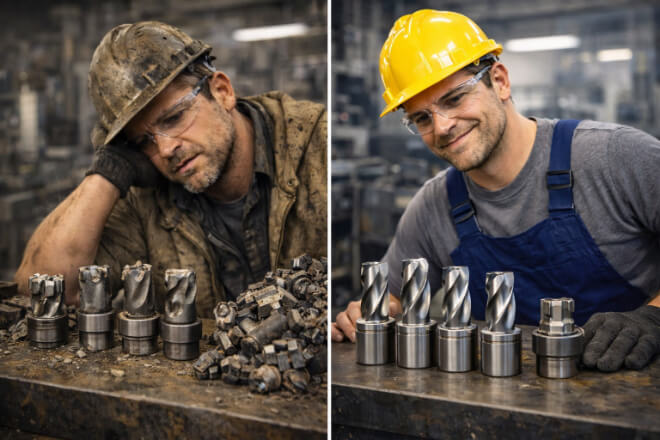
While preventing premature wear and breakage in tungsten carbide tools may involve an initial investment in maintenance and proper handling, the long-term benefits far outweigh the costs.
Reducing tool wear and breakage increases productivity and lowers operational costs.
Cost Advantages Include:
Reduced Tool Replacements: Proper maintenance and care can significantly extend the lifespan of carbide tips, reducing the need for frequent replacements.
Increased Productivity: Tools that perform well for longer periods require less downtime for maintenance, improving overall operational efficiency.
Chi phí bảo trì thấp hơn: By avoiding premature breakage and wear, you reduce the frequency and cost of repairs and replacements.
Investing in tool maintenance and proper handling results in significant cost savings and enhanced tool performance over time.
 English
  Español
  简体中文
简体中文  Français
  日本語
日本語  한국어
한국어  العربية
  Tiếng Việt