
Why Geothermal Brine Creates Severe Wear Conditions
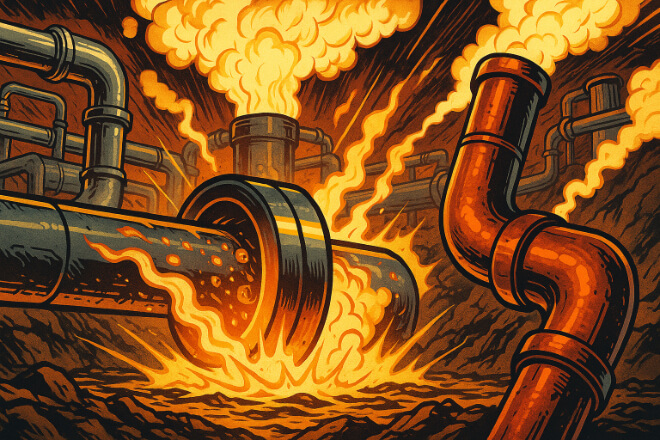
Geothermal brine is very different from clean water. It contains:
Dissolved minerals
Silica and sand
Hot pressurized steam
Carbon dioxide and hydrogen sulfide
Chlorides and sulfates
Scaling compounds
These elements combine to create an environment that aggressively attacks metal components inside pumps.
Typical problems caused by geothermal brine
Strong abrasion from sand and silica
Heavy corrosion from dissolved salts
Chemical attack from sulfides
Scaling buildup on rotating parts
High-temperature stress from hot brine
Pressure shocks during operation
Because of these conditions, standard metallic bushings (bronze, stainless steel, cast iron) often fail rapidly.
Why Tungsten Carbide is Ideal for Geothermal Pumps
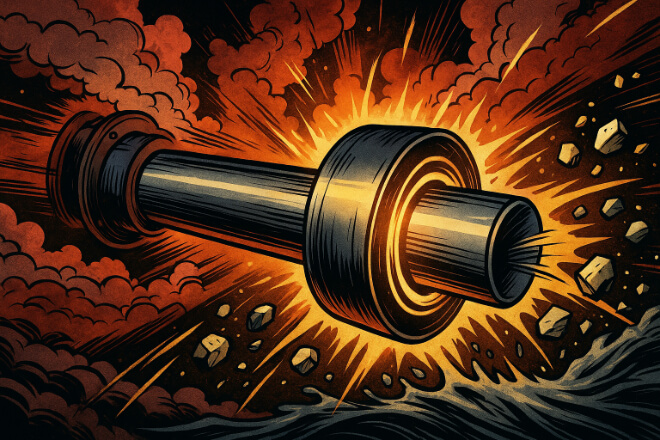
Tungsten carbide bushings provide a unique combination of properties that make them ideal for geothermal brine pumping systems.
Main advantages
Vô cùng độ cứng to resist abrasion from sand and silica
Xuất sắc khả năng chống ăn mòn, especially with nickel binder grades
High temperature stability up to 400°C+
Strong resistance to chemical attack
Low wear rate, even in mineral-rich fluids
Long service life, reducing shutdowns and replacement cost
Geothermal pumps often run continuously for long cycles. Tungsten carbide helps maintain stability, alignment, and sealing performance under these demanding conditions.
Choosing the Right Tungsten Carbide Grade
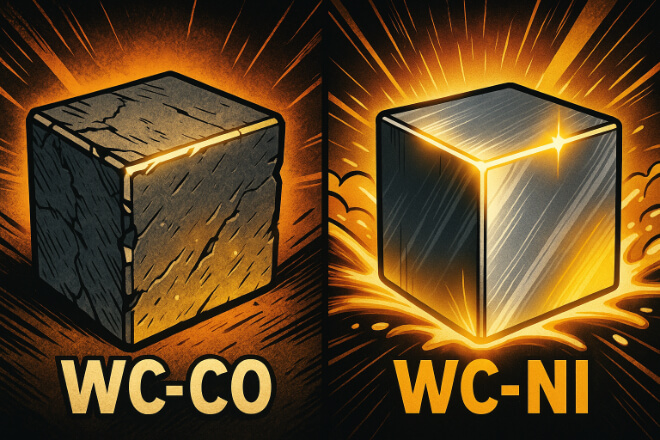
Binder type and grain size strongly affect how tungsten carbide behaves in geothermal brine. The two most common binder systems are:
WC-Co (cobalt binder)
WC-Ni (nickel binder)
For geothermal applications, WC-Ni is often preferred due to its improved corrosion resistance.
1). Tungsten Carbide Grade Selection Table
Typical Failure Modes in Geothermal Brine Pumps
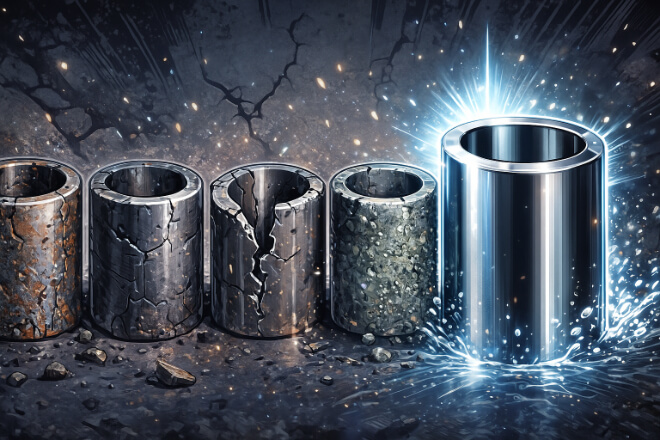
Even high-quality tungsten carbide can fail when the operating conditions are extreme or when the material is not matched properly to the fluid chemistry.
1). Common failure types
Chemical corrosion
Binder leaching, especially in cobalt grades
Abrasive wear from silica particles
Chipping due to vibration or shaft misalignment
Thermal shock cracking
Scaling buildup reducing cooling and lubrication
2). Failure Mode Summary Table
Design Requirements for Bushings Used in Geothermal Pumps

To survive geothermal well conditions, tungsten carbide bushings must be engineered with specific design features.
Key design considerations
High-density HIP-sintered structure
Smooth, precision-machined internal surfaces
Proper clearance to prevent thermal seizure
Strong resistance to vibration
Corrosion-resistant binder selection
Thấp porosity to resist brine penetration
Suitable wall thickness to absorb shock loads
Choosing the right design helps prevent cracking and premature wear.
Installation and Maintenance Tips

Proper installation and maintenance significantly affect the performance of ống lót cacbua vonfram in geothermal wells.
Recommended practices
Ensure correct shaft alignment
Avoid sudden thermal shocks
Use clean brine flushing when possible
Monitor vibration levels
Regularly inspect the pump during overhaul
Replace bushings before excessive wear occurs
A planned maintenance schedule helps avoid unplanned shutdowns.
Selecting the Right Supplier for Geothermal Applications
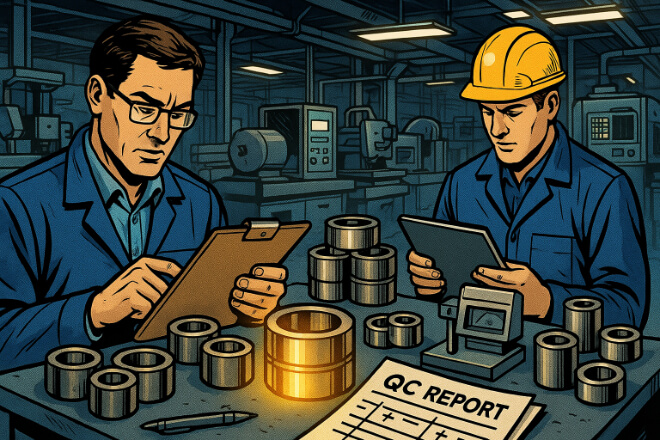
Geothermal brine pumps require highly specialized carbide bushings. A qualified supplier must provide:
Nickel-binder tungsten carbide grades
Proven experience in geothermal markets
HIP sintering for maximum Tỉ trọng and durability
Material traceability and certification
OEM customization capability
Short lead times for replacement parts
Choosing an experienced supplier reduces operational risks and long-term costs.
 English
  Español
  简体中文
简体中文  Français
  日本語
日本語  한국어
한국어  العربية
  Tiếng Việt