
When to Choose Silicon Carbide Bushings
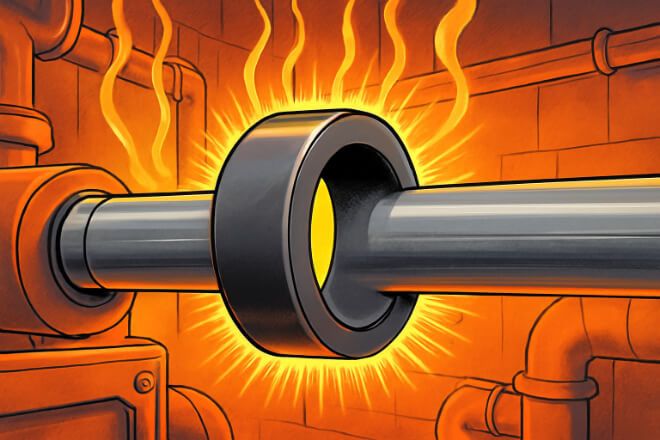
Silicon carbide is a synthetic material known for its extreme độ cứng, khả năng chống mài mòn, and high-temperature performance. Here are some scenarios where silicon carbide bushings are ideal:
1). High-Temperature Applications
Silicon carbide can withstand temperatures of up to 1,600°C (2,912°F) without degrading, making it an ideal choice for industries that deal with high-temperature environments.
1.1). Applications:
Furnace parts
High-speed motors
Turbomachinery
Power generation (gas turbines)
1.2). Why Choose SiC?
Silicon carbide has an excellent thermal conductivity, which allows it to dissipate heat effectively.
This makes it suitable for applications where heat build-up can be detrimental to the performance of the bushing.
2). Dry-Running or Low-Lubrication Environments
SiC has a low friction coefficient, making it a better choice for systems that do not use lubrication or those operating in dry-running conditions.
2.1). Applications:
Vacuum pumps
Hàng không vũ trụ components
High-speed machinery with minimal lubrication
2.2). Why Choose SiC?
Low friction and high khả năng chống mài mòn allow SiC bushings to perform well even in the absence of lubrication.
This is crucial in applications like vacuum pumps, where lubricant contamination is a concern.
3). Aggressive Chemical Environments
SiC is highly resistant to corrosion from chemicals and acids, particularly in alkaline or acidic environments.
3.1). Applications:
Chemical processing equipment
Pharmaceutical manufacturing
Water treatment systems
3.2). Why Choose SiC?
SiC’s excellent khả năng chống ăn mòn makes it ideal for environments with highly corrosive substances, where tungsten carbide might degrade over time.
When to Choose Tungsten Carbide Bushings
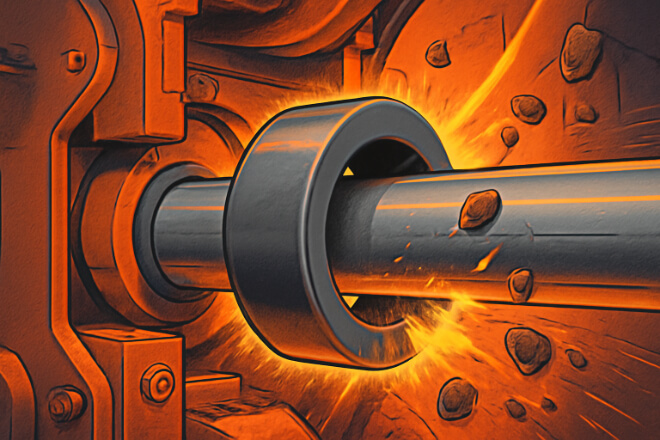
Tungsten carbide, often referred to as the “material of choice” for high-performance wear applications, is extremely hard and durable.
Here are some instances when tungsten carbide is a better option:
1). High Wear and Abrasive Conditions
Tungsten carbide is one of the hardest materials available and is particularly effective in abrasive environments, such as those with hard particulates or rough surfaces.
1.1). Applications:
Mining and drilling equipment
Manufacturing machines with abrasive contact
Hydraulic systems
1.2). Why Choose WC?
Tungsten carbide excels in applications where abrasive wear is a concern.
Its high độ cứng helps it maintain shape and functionality even under intense friction.
2). High-Pressure, High-Load Systems
Tungsten carbide can handle high mechanical loads and pressure.
It maintains its performance under shock and impact conditions, making it an ideal material for bushings used in heavy-duty applications.
2.1). Applications:
Dầu khí drilling equipment
High-pressure pumps
Heavy machinery
2.2). Why Choose WC?
Tungsten carbide’s superior độ dẻo dai, combined with its hardness, makes it ideal for applications that experience high mechanical stress and impact forces.
3). Cost-Effective in Many Industrial Applications
Tungsten carbide is typically less expensive than silicon carbide, making it a more budget-friendly option for many applications, while still offering excellent performance for most industrial needs.
3.1). Applications:
Bearings in non-extreme environments
Seals in various industries
Manufacturing and assembly tools
3.2). Why Choose WC?
If you need excellent wear resistance and toughness without the high cost of silicon carbide, tungsten carbide provides a cost-effective solution.
Maintenance Tips for Silicon Carbide and Tungsten Carbide Bushings
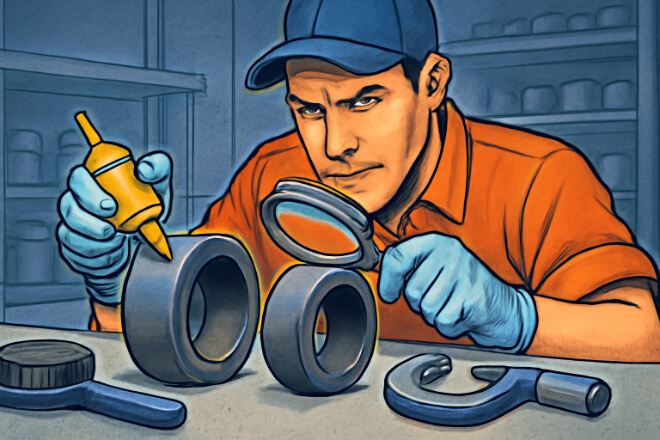
Both silicon carbide and tungsten carbide bushings require regular maintenance to ensure they operate at peak performance.
Key Maintenance Tips:
Inspect regularly for wear, cracks, or surface damage.
Lubricate properly to prevent unnecessary friction.
Monitor temperature to prevent overheating.
Keep equipment clean to avoid contamination from dirt or chemicals.
 English
  Español
  简体中文
简体中文  Français
  日本語
日本語  한국어
한국어  العربية
  Tiếng Việt