
Common Causes of Cracks in Tungsten Carbide Bushings
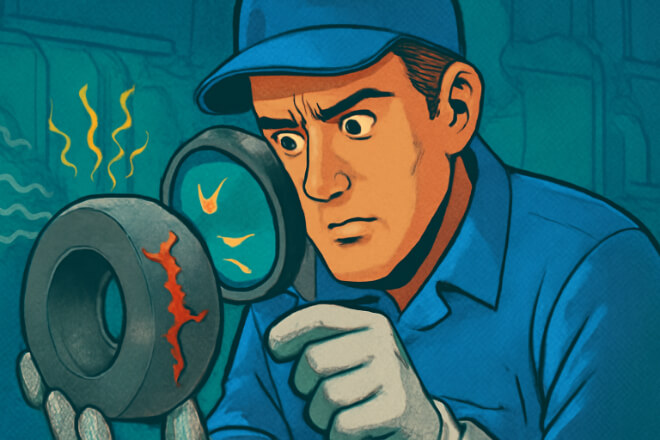
Understanding the primary causes of cracks is the first step in diagnosing and preventing damage to tungsten carbide bushings.
Cracks can result from a variety of factors, including material flaws, improper handling, and operational conditions. Below are some common causes of cracks in tungsten carbide bushings:
1). Thermal Shock
Thermal shock occurs when a material is exposed to rapid temperature changes. Tungsten carbide, while durable, is prone to cracking under rapid thermal cycling.
This is especially true when the material is exposed to high temperatures followed by sudden cooling, which causes internal stresses to form.
Example: A bushing used in machinery that operates at high temperatures and is suddenly cooled by a water spray could develop cracks due to thermal shock.
1.1). How to Prevent:
Use proper thermal cycling procedures and gradual cooling techniques.
Ensure that the equipment is designed to handle temperature fluctuations more efficiently.
2). Mechanical Stress and Overload
Tungsten carbide bushings are designed to handle high loads and stresses, but excessive forces can still cause cracks to form.
Overloading the machinery or misalignment can lead to high stress concentrations in localized areas of the bushing, leading to cracking.
Example: In a mining drill, if the bushing is subjected to higher-than-expected loads, it can result in stress fractures.
2.1). How to Prevent:
Regularly inspect machinery for misalignment or overloading.
Ensure that components are not subjected to forces beyond their design specifications.
3). Manufacturing Defects
Cracks can also result from defects during manufacturing, such as porosity or inconsistent grain structure in the tungsten carbide material. These flaws can weaken the bushing and make it more prone to cracking under stress.
Example: A bushing with incomplete sintering or voids inside the material will be more vulnerable to cracks during operation.
3.1). How to Prevent:
Work with reputable manufacturers who can produce high-quality tungsten carbide bushings.
Ensure that the manufacturing process involves stringent quality control measures, such as sintering and density testing.
4). Corrosive Environments
Exposure to corrosive chemicals or abrasive materials can weaken tungsten carbide bushings over time.
While tungsten carbide itself is highly resistant to wear, binder materials such as cobalt or nickel are more susceptible to corrosion, and oxidation can lead to the formation of cracks.
Example: Chemical pumps or marine equipment that operate in harsh chemical environments can lead to corrosion and cracking in the bushings.
4.1). How to Prevent:
Use anti-corrosion treatments like coatings or select nickel-bonded tungsten carbide for enhanced 耐腐蚀。
Regularly inspect bushings in corrosive environments to ensure they are still performing effectively.
How to Diagnose Cracks in Tungsten Carbide Bushings
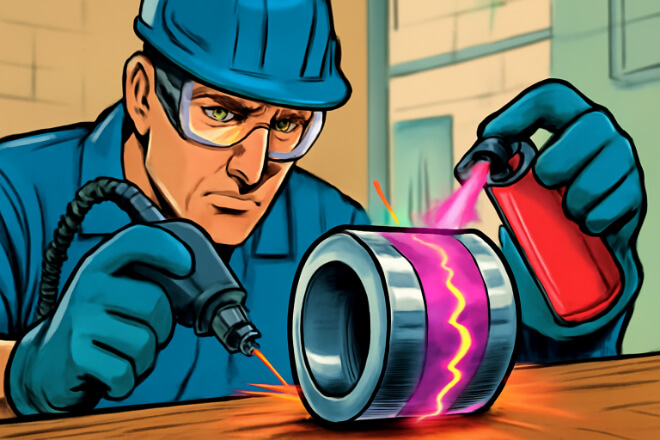
Early detection of cracks is crucial for preventing further damage and extending the life of your machinery. Here are some methods for diagnosing cracks in 碳化钨衬套:
1). Visual Inspection
The simplest and most common method for diagnosing cracks in tungsten carbide bushings is visual inspection.
Look for visible signs of damage, such as surface cracks, chips, or discoloration. Pay attention to areas with high wear or where the bushing has been exposed to thermal or mechanical stress.
1.1). Signs of Cracks:
Fine surface cracks or fractures on the bushing
Chipping around edges or contact surfaces
Discoloration caused by heat or corrosion
2). Ultrasonic Testing
For more advanced diagnosis, ultrasonic testing is a non-destructive method used to detect cracks or voids within the material.
High-frequency sound waves are passed through the bushing, and the resulting echoes are analyzed to detect any internal damage.
2.1). Advantages:
Detects internal cracks that aren’t visible on the surface
Provides accurate measurements of material integrity
3). Dye Penetrant Testing
Dye penetrant testing is a common method for identifying cracks in non-porous materials.
A dye is applied to the bushing’s surface, and after some time, excess dye is cleaned off.
The remaining dye in any cracks will be visible, allowing for easy detection of surface cracks.
3.1). Advantages:
Simple and cost-effective method
Good for detecting surface-level cracks
4). Acoustic Emission Testing
Acoustic emission testing involves monitoring high-frequency sound emissions from the bushing during operation.
When cracks form or propagate, they emit sound waves that can be detected by specialized sensors.
4.1). Advantages:
Can detect crack formation in real-time
Useful for ongoing monitoring of bushing performance
Preventing Cracks in Tungsten Carbide Bushings
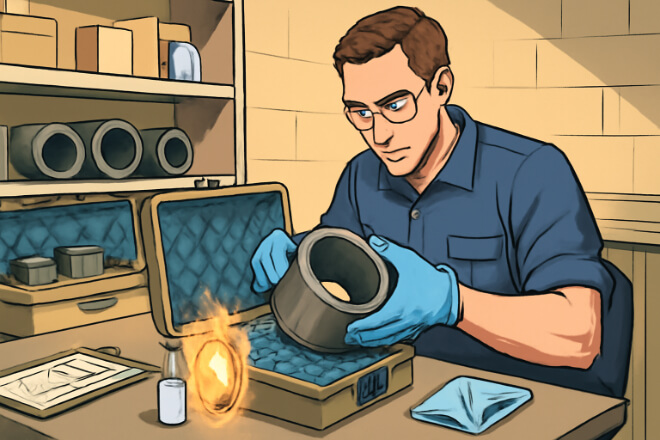
While diagnosing cracks is crucial, prevention is even more important. Here are some ways to reduce the likelihood of cracks forming in tungsten carbide bushings:
1). Proper Handling and Storage
Proper handling and storage of tungsten carbide bushings can prevent them from becoming damaged before installation.
Always ensure that bushings are not exposed to extreme temperatures or physical impacts during transport or storage.
2). Regular Maintenance and Inspection
Regular maintenance and inspection of machinery can catch potential issues before they lead to cracks.
Pay attention to the wear and tear of the bushings, as well as signs of misalignment or overloading.
3). Use of Anti-Corrosion Coatings
As corrosion is one of the leading causes of cracks in tungsten carbide bushings, applying anti-corrosion coatings or using nickel-bonded tungsten carbide can help prevent corrosion and extend the life of the bushings.
4). Optimize Operating Conditions
Ensuring that bushings are operating within their design specifications is essential for preventing cracks.
Avoid exposing bushings to excessive mechanical stress, thermal cycling, or corrosive environments beyond their capacity.
 English
  Español
  简体中文
简体中文  Français
  日本語
日本語  한국어
한국어  العربية
  Tiếng Việt